Have you ever wondered where fashion magic starts? Designers work in all kinds of creative spaces. Sometimes they sketch in small, cozy studios where ideas gently unfold. Other times, they gather in busy headquarters or on manufacturing floors, where teamwork turns sketches into stunning looks.
Some designers even bring their art to life in intimate boutiques that celebrate every stitch. And these days, many share their stylish creations online, where bold visuals catch your eye. Each workspace mixes hands-on craft with smart planning to transform ideas into art you can wear.
Let's take a closer look at these vibrant spots that fuel the creative energy behind every trendy outfit.
Typical Work Environments for Fashion Designers
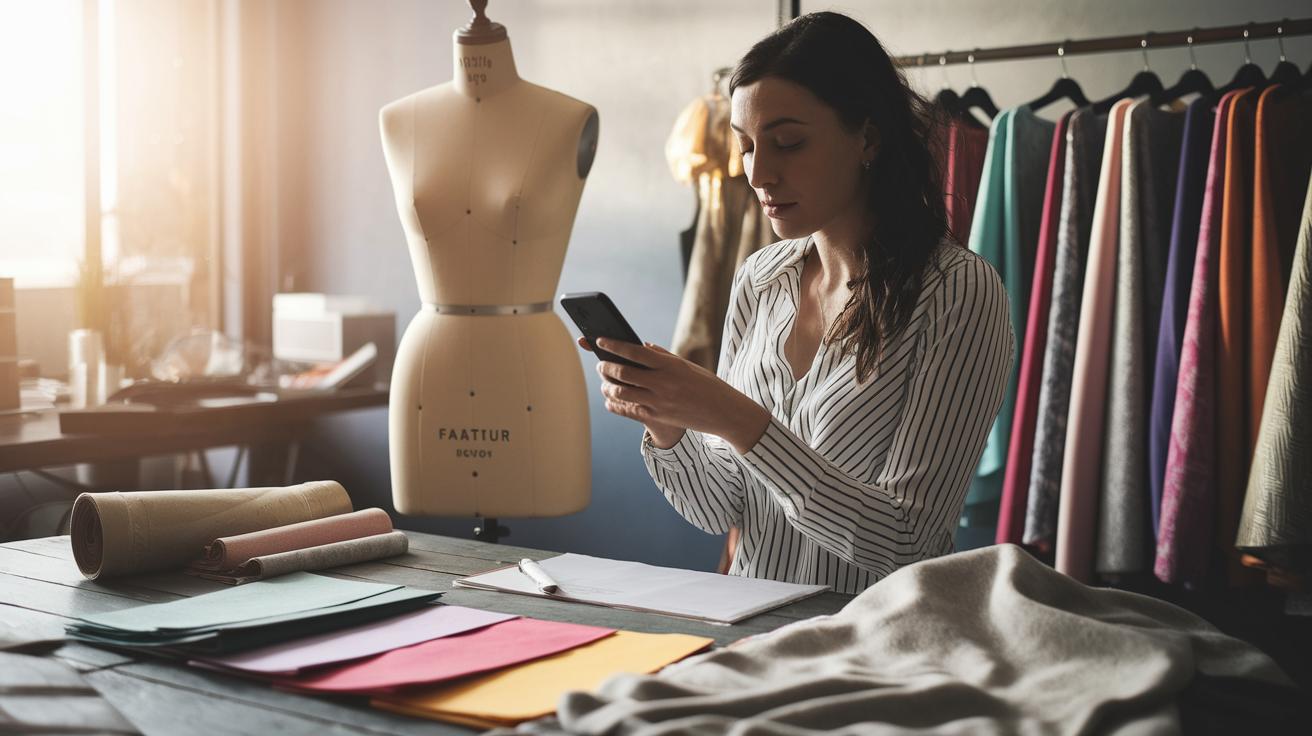
Fashion designers work in many lively spaces where creativity meets everyday tasks. In some cozy studios, they play with shapes and styles using mannequins and sometimes even live models. And in big manufacturing floors, they team up with pattern makers and production experts to bring designs to life. At brand headquarters, designers forecast trends and turn fresh ideas into complete product lines. Then there are boutiques and indie labels where every detail, from choosing materials to final fittings, is managed with care. Designers also shine in media and online spaces, creating striking visuals and digital experiences, while many freelancers love the freedom of juggling different projects on their own schedule.
Here are some common places where they work:
- Specialized studios
- Manufacturing units
- Brand headquarters
- Boutiques
- Media & e-commerce
- Freelance/consultancy
Each setting mixes creativity with practical know-how. In studios, it’s all about experimenting with fabrics and fits, like adjusting a design based on how the material flows. Manufacturing units focus on teamwork to keep the style vibrant while meeting business needs. At brand headquarters, a big-picture approach helps link trend forecasts with marketing strategies so collections really connect with shoppers. Boutiques celebrate careful craftsmanship and sustainable choices, while digital platforms demand fresh, eye-catching looks to attract every viewer. And freelance gigs? They’re a playground for exploring everything from strategic planning to branding.
Design House Environments and Atelier Studios
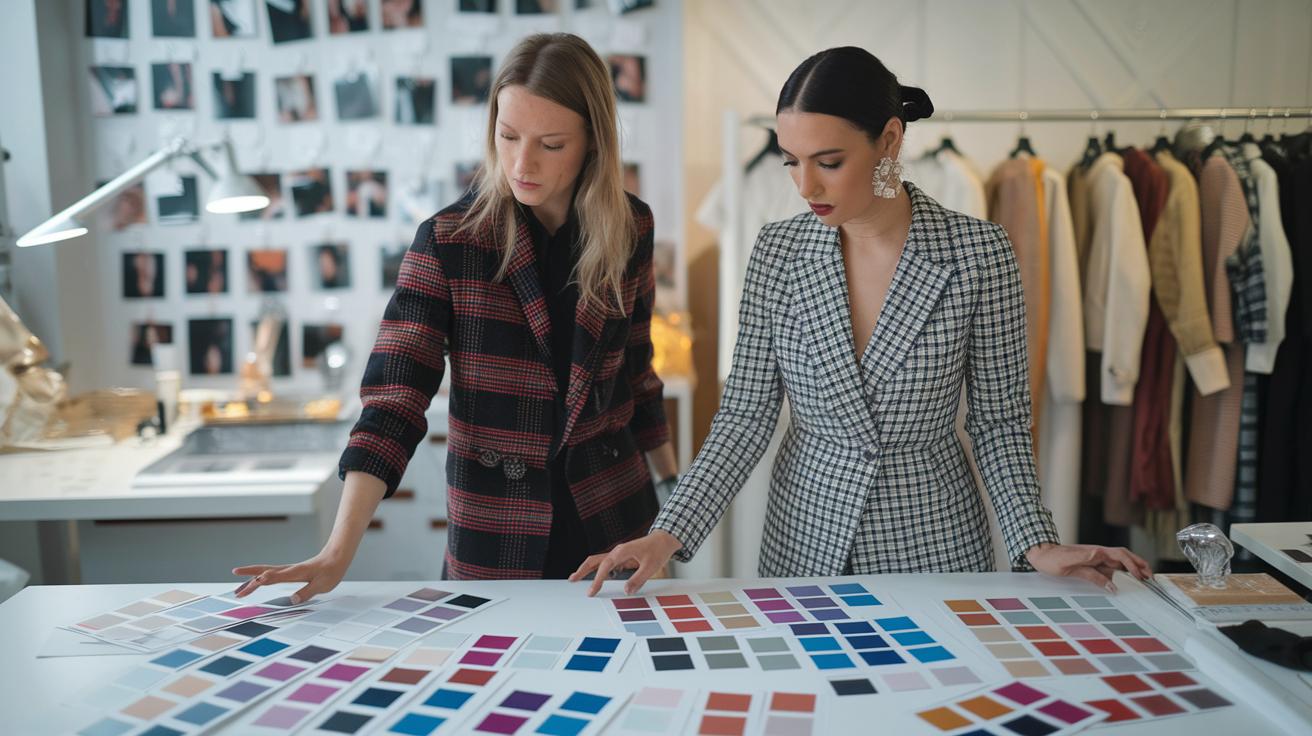
Fashion designers work in chic spaces that mix a bit of business style with hands-on art. These environments range from buzzing team projects to studios where every detail belongs to you.
Major Design Houses
At big design houses, teams come together to spot trends, check out samples, and sync up with merchandising experts. Designers work with multiple teams to turn a big idea into a real collection. For example, one designer might fine-tune a look while bouncing ideas with others, making sure the style stays fresh and production runs smoothly.
Couture Headquarters
Couture headquarters are intimate spaces where small teams create one-of-a-kind pieces by hand. Every fitting is done with care, and skilled artisans use age-old techniques to perfect each seam and pocket. It’s like watching a dress come alive, where every stitch matters.
Independent Atelier Studios
In independent ateliers, designers take charge of everything. They pick out high-quality materials, work directly with clients, and handle small-batch production on their own terms. These studios often embrace sustainable practices and innovative ideas. Imagine it as your very own fashion lab, where every piece is a personal expression of creativity.
Each setting has its own vibe. Big design houses shine with teamwork, couture spots celebrate artisanal focus, and independent ateliers offer complete creative freedom. Together, they show how structure and liberty shape every designer’s journey.
Where do fashion designers work: Inspiring Creative Spaces
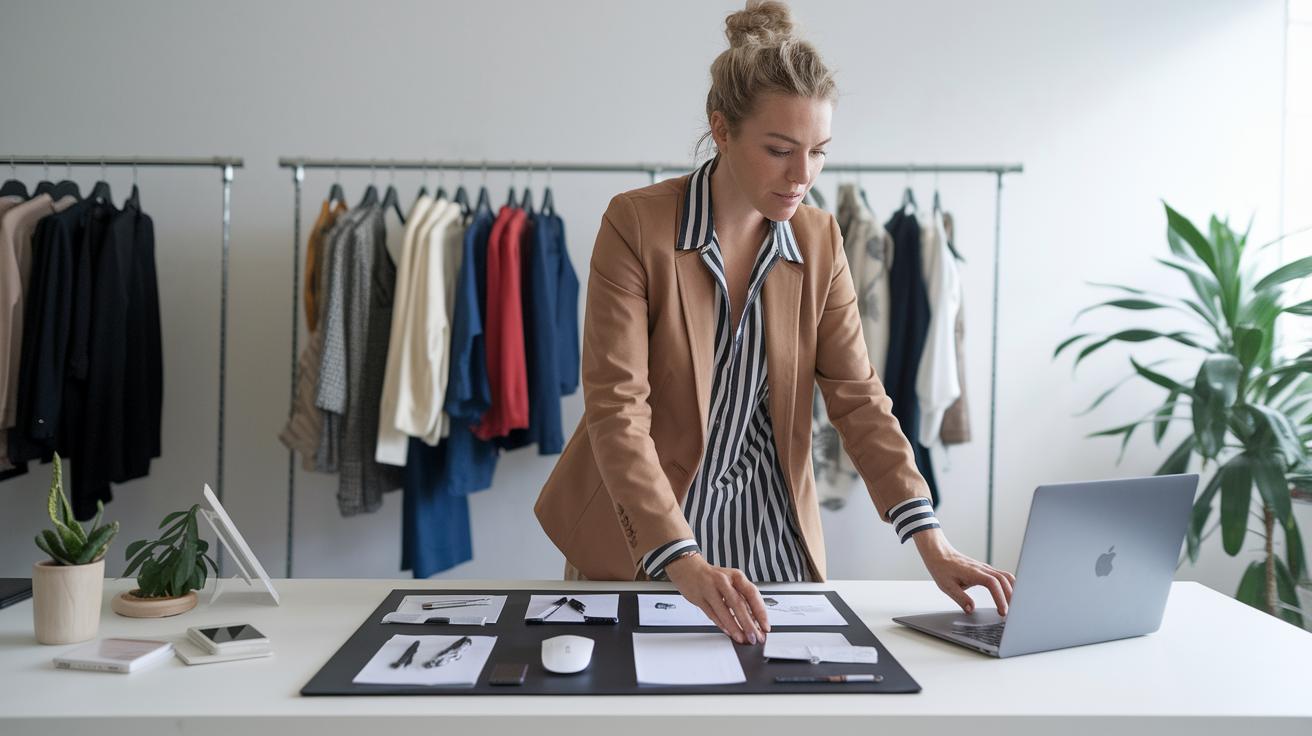
Fashion designers bring life to many creative spots that spark their imagination and call for a mix of artistic flair with practical know-how. They might create eye-catching stories for magazines, design fun digital experiences for online shoppers, or set up in-store displays that bring a brand’s vibe to life. It’s like they turn every environment into their own little canvas.
Their work differs from place to place. Think of media houses where visuals and words blend to tell cool stories that catch your eye. Online, designers mix creative ideas with user-friendly style to make shopping a breeze. Retail outlets need that perfect combo of look and function to draw you in, while runway studios buzz with energy, teamwork, and live, dazzling shows.
| Workplace Type | Primary Activities |
|---|---|
| Media Houses | Creating editorials, telling branded stories, and designing cool visuals |
| E-Commerce Platforms | Enhancing product images, refining site layouts, and crafting smooth customer journeys |
| Retail Outlets | Designing window displays, organizing in-store collections, and building engaging customer experiences |
| Runway Studios | Planning seasonal shows, working with teams on directions and setups, and staging live fashion events |
Each space highlights a special part of the fashion world. Media houses let designers use visuals and words like a cool mix of paint and paper to charm trend lovers. In e-commerce, creativity meets digital savvy for a look that’s both stunning and easy to navigate. Retail spaces need that magic touch to catch the wandering eye. And in runway studios, the fast-paced scene demands teamwork, clear plans, and just the right amount of flair to wow everyone.
Because designers work in so many different settings, they constantly polish a broad range of skills, from spun-y stories and digital tricks to smart planning for live events. In truth, it’s like putting together an outfit where every piece matters to create a complete, stylish look.
Freelance Design Operations and Collaborative Creative Centers

Freelance designers are changing the game in the world of design. They set their own hours to work on everything from styling and branding to creating cool capsule collections. They love the freedom of doing things their own way while teaming up with trend-savvy consultants who give smart advice for all kinds of brands, from new names to well-known labels.
In busy cities, shared spaces like incubator spots and pop-up labs add extra energy and creativity. These places mix the buzz of urban life with handy resources that make it easy to meet new clients and spark fresh ideas. One designer said, "I love that I can work on my own schedule and still bounce ideas off fellow creatives in a lively space." It really feels like a fun and practical way to get inspired.
For early-career designers, collaborative creative centers are a true boost. They offer shared workrooms, regular meet-ups, and even mentorship opportunities that help build skills and confidence. In these creative hubs, ideas flow freely, and everyone learns from each other while building a network in the fashion world.
Industry Production Workspaces, Education, and Sustainable Fashion Roles
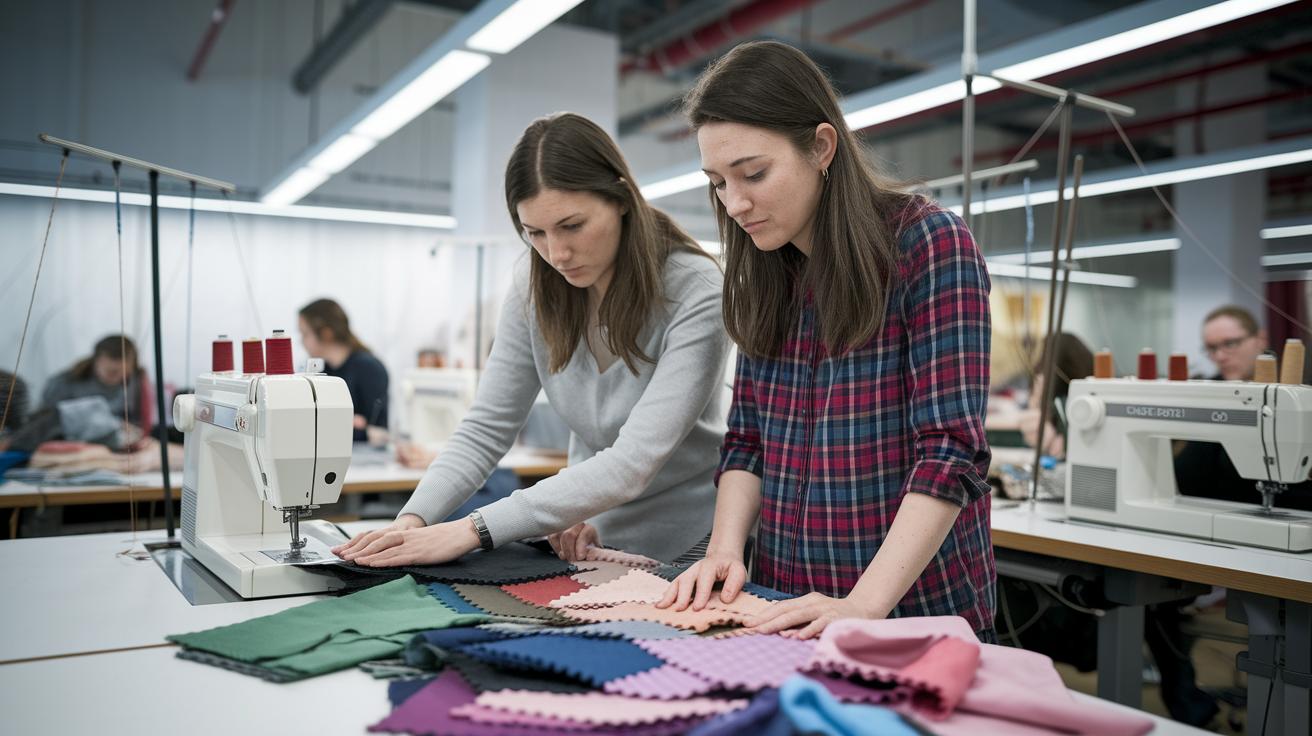
In busy textile labs and manufacturing workshops, designers get right in the mix, experimenting with new fabrics, checking how tough they are, and trying out fresh ways to make clothes. On TV and film sets, costume designers create look-after-wards that really bring characters to life. In colleges and other learning spaces, teachers and researchers share the basics, like pattern-making, sewing techniques, and managing supply chains. One designer said, "It’s amazing to see a concept come to life in the lab and then turn into the perfect costume for a character." These places mix careful planning with creative flair to keep production running smoothly while staying stylish.
Then there’s the ethical side of fashion. Designers now have chances to team up with NGOs, cooperatives, and B-corp brands that champion fair trade and eco-friendly materials. Here, creative minds push for truly sustainable fashion by keeping production open and honest. Fair-trade projects and initiatives encourage green sourcing and clean production methods, blending fresh ideas with a strong commitment to positive social impact. This vibe inspires designers to back projects where ethical materials and smart methods set the stage for bold, new trends.
Final Words
In the action, the article walked through many workspaces for designers, from specialized studios and manufacturing hubs to brand headquarters and boutique ateliers. Each setting showed off unique ways creatives set up shop and bring their designs to life.
We also peeked into media, e-commerce, freelance, and production spaces. These varied environments answer the question, where do fashion designers work, by revealing paths that blend creativity with practicality. Keep your spirit high and stay inspired.
FAQ
What is the typical fashion designer salary?
The fashion designer salary typically depends on experience, location, and employer size. Entry-level roles may offer modest earnings, while experienced designers at top companies usually earn competitive wages.
Where do fashion designers typically work?
Designers can be found in specialized studios, manufacturing units, brand headquarters, boutiques, media houses, e-commerce offices, and even freelance spaces.
What is the job outlook for fashion designers?
The outlook for fashion designers remains promising, with expanding opportunities in retail, media, e-commerce, and sustainable fashion sectors as creative demand continues to rise.
What qualifications and skills do fashion designers need?
Designers usually need training in creative design, technical pattern-making, and textile knowledge, along with strong collaborative and trend-forecasting abilities.
What types of jobs can you do with a fashion design background?
A fashion design background opens doors to roles in styling, illustration, textile innovation, digital design, retail displays, and various creative positions for both freshers and veterans alike.
Do fashion designers work in an office?
Many designers operate from creative studios, collaborative spaces, and design houses, while some balance studio work with flexible, remote tasks in freelance arrangements.
Where is the best place to work as a fashion designer and where are designers paid the most?
Top positions are found at major brand headquarters and manufacturing hubs in fashion capitals, where designers enjoy robust salaries alongside a charged creative atmosphere.

… [Trackback]
[…] Find More to that Topic: leblooms.com/where-do-fashion-designers-work/ […]
… [Trackback]
[…] Here you can find 14042 additional Information on that Topic: leblooms.com/where-do-fashion-designers-work/ […]
… [Trackback]
[…] Read More Info here on that Topic: leblooms.com/where-do-fashion-designers-work/ […]
… [Trackback]
[…] Read More on on that Topic: leblooms.com/where-do-fashion-designers-work/ […]
… [Trackback]
[…] Find More Info here on that Topic: leblooms.com/where-do-fashion-designers-work/ […]
… [Trackback]
[…] Find More Info here on that Topic: leblooms.com/where-do-fashion-designers-work/ […]
… [Trackback]
[…] Here you will find 75969 additional Info on that Topic: leblooms.com/where-do-fashion-designers-work/ […]
… [Trackback]
[…] Read More Info here on that Topic: leblooms.com/where-do-fashion-designers-work/ […]
… [Trackback]
[…] Read More on that Topic: leblooms.com/where-do-fashion-designers-work/ […]
… [Trackback]
[…] There you will find 12125 more Information to that Topic: leblooms.com/where-do-fashion-designers-work/ […]
… [Trackback]
[…] Read More Info here to that Topic: leblooms.com/where-do-fashion-designers-work/ […]
… [Trackback]
[…] There you will find 99490 more Information to that Topic: leblooms.com/where-do-fashion-designers-work/ […]
… [Trackback]
[…] Read More on that Topic: leblooms.com/where-do-fashion-designers-work/ […]
… [Trackback]
[…] Information on that Topic: leblooms.com/where-do-fashion-designers-work/ […]
… [Trackback]
[…] Find More to that Topic: leblooms.com/where-do-fashion-designers-work/ […]
… [Trackback]
[…] Read More on that Topic: leblooms.com/where-do-fashion-designers-work/ […]
… [Trackback]
[…] Find More here on that Topic: leblooms.com/where-do-fashion-designers-work/ […]
… [Trackback]
[…] Read More on on that Topic: leblooms.com/where-do-fashion-designers-work/ […]
… [Trackback]
[…] Find More on that Topic: leblooms.com/where-do-fashion-designers-work/ […]