Ever wondered if fashion designers are just creative daydreamers? They kick off their mornings diving into the latest trends and sketching ideas, much like artists capturing a burst of inspiration.
They build mood boards that fill their eyes with color and feel, while drafting clear plans to guide production. In simple terms, they turn raw ideas into designs that really catch your eye.
This post shows how their daily routine artfully mixes creativity with smart planning, crafting pieces that keep our closets fresh and exciting.
Core Responsibilities and Daily Tasks of Fashion Designers
Fashion designers mix creativity with smart business moves every day. They work like clever problem-solvers, using shape, color, fabric, and form to bring fresh ideas to life. Think of them as chefs blending different ingredients to whip up a perfect dish. Ever imagine starting your day with a fun mood board session that sparks all your ideas? Before picking up a pencil, many designers spend hours checking out the latest trends to feel the market’s heartbeat.
They can work in lots of different settings. Some designers have steady jobs at big companies, while others take on freelance gigs or work in small teams focused on specific product lines. They dive deep into trend and market research, using that insight to guide their creative choices. Then, they create initial sketches, either by hand or on the computer. Often, these sketches grow into detailed designs using digital tools, where technical skill meets creative vision.
Designers also put together tech packs. These handy documents list fabric choices, trims, and building methods for factories to follow. When samples are ready, they carefully inspect every detail and tweak the fit to ensure the design looks fabulous and works well in real life. Plus, they present their ideas with clear visuals and engaging stories so teams and buyers can really see the vision.
In the end, a fashion designer’s role is all about balancing creative flair with smart strategy. Top names in the field show us that blending art with business savvy is the key to making a mark in the fashion world.
Creative Process for Fashion Designers
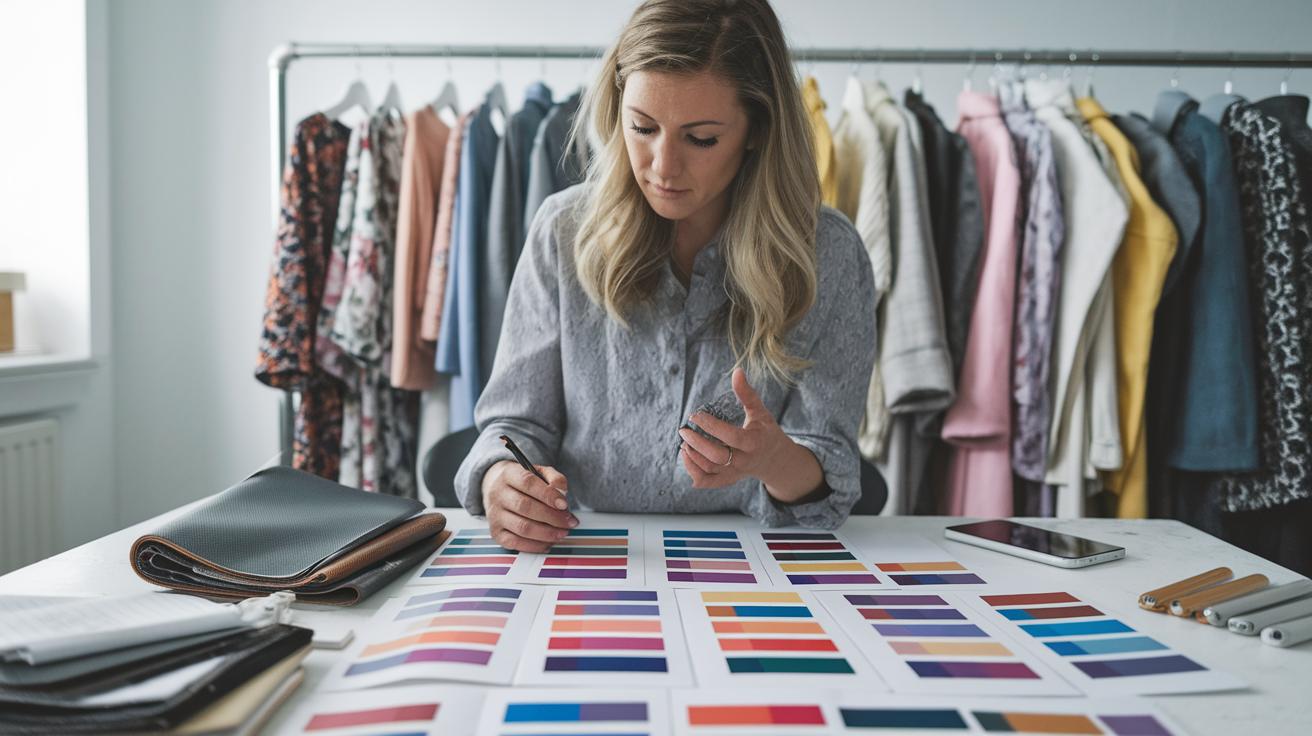
Fashion designers kick off by checking out current trends. They find inspiration in fresh colors, interesting textures, and playful themes. They gather pictures, fabric samples, and color swatches on mood boards. One designer even says, "Imagine mixing fresh denim with soft pastel to brighten up everyday wear."
Then, those ideas turn into sketches, whether drawn by hand or created on a computer. These early drawings capture the vibe of the collection and set the stage for more detailed work.
Next, designers refine their ideas using computer programs like Adobe Illustrator. This step helps turn creative sparks into practical designs by adding details like color schemes, fabric choices, and structure. Some even use 3D models to see how a garment fits and falls, which makes the whole process even more fun and precise.
Finally, they go back and tweak every part until all the details blend into one clear, unified story, a collection that's ready to head into production.
Technical Tools and Software for Fashion Designers
Digital tools are at the heart of modern fashion design. Designers kick off a project by using Adobe Illustrator to draw flat sketches and create detailed tech packs. Imagine it like drawing a simple blueprint where every line shows your vision. This initial step makes sure every instruction is clear for production.
Cutting-edge software takes creativity to a whole new level. Designers now work with 3D CAD platforms like CLO3D and Browzwear to see how a garment will move and fit, kind of like a digital dress rehearsal. It lets them catch any design issues early and make quick fixes without wasting materials.
Digital drawing tablets add an extra burst of creative flair. They give you the feel of hand-drawn sketches paired with the convenience of easy digital edits. This vibe means every detail, fabrics, trims, and construction tips, gets written down clearly so makers know exactly what to do.
Tech packs are the unsung heroes that tie creativity to production. Think of a tech pack as a recipe for a great outfit, listing every material and step needed to bring the design to life.
| Tool | Purpose |
|---|---|
| Adobe Illustrator | Flat sketches, print artwork, tech packs |
| CLO3D | 3D garment visualization and fit testing |
| Browzwear | Virtual prototyping and grading |
| Digital Drawing Tablet | Hand-drawn sketches and concept art |
| Tech-Pack Template | Factory specification documentation |
Collaboration and Production Workflow for Fashion Designers

Once a design idea gets the thumbs-up, designers quickly put together a clear tech pack. This handy document lists fabric picks, trims, and all the right measurements needed for sample creation. It's a bit like choosing a base note for your favorite scent, think of how the smooth feel of satin sets the mood for a look.
Then, designers join forces with production pros to check out prototypes. They review the fit and finishing details using simple pattern-making basics to ensure every piece lives up to the creative vision. Sometimes, a designer might say, "This shape really pushes our style ahead," while suggesting a few small tweaks.
Working with clients on special pieces flows just as smoothly. Designers mix engaging visuals with clear storytelling to capture every little need, all while juggling project timelines with teams from around the world. One might note, "These adjustments hit our deadline and show off a unique fabric twist," blending creativity with smart organization.
By merging creative ideas with careful planning, fashion designers add fresh energy to every collection. Each step, from fabric selection to the finished sample, brings new life and value to the story they’re telling.
Education, Portfolio, and Career Progression for Fashion Designers
Getting formal training, like earning a diploma or a degree, lays a strong foundation in fashion design. A lot of top designers begin by mastering the basics, such as pattern-making (which is the art of creating shapes for your clothes) and garment construction (the process of putting those pieces together). But, sometimes, self-taught skills can really shine too. One designer even mentioned, "Studying with a great mentor helped me see how color and form click together to create a standout look." And if you're looking for a hands-on boost, certification programs and short courses offer plenty of practical tips.
Next, building a solid portfolio is key if you want to make your mark in the industry. Think of your portfolio as a style diary that tells the story of your creative journey, from your first sketches to your finished pieces. It lets employers and clients know, "Hey, this is what I can do!"
Then, internships and workshops provide real, on-the-ground experiences where you can work with industry experts and make important contacts. These opportunities are like that perfect splash of color that can ignite your career and open new doors.
When it comes to climbing the ladder in fashion design, the steps are pretty clear. For example, in the UK, you might start as an Assistant Designer earning between £20k and £30k. With experience, you could work your way up to a Design Director role, which often brings in between £85k and £120k. And if you're freelancing, daily rates generally range from £250 to £550. It all comes down to building your skills, growing your network, and staying true to your creative vision.
Emerging Trends and Challenges for Fashion Designers

Digital tools and remote work are reshaping the way fashion designers create. Now, they can collaborate with peers in different parts of the world through online meetings and virtual sampling sessions. It feels a bit like chatting with friends from afar, sharing ideas and inspirations without having to meet in person. This tech-forward approach sparks new creative energy, though designers must adapt quickly.
Sustainability is on everyone’s mind these days. Designers are turning to eco-friendly methods by choosing sustainable materials, upcycling fabrics, and following ethical sourcing guidelines. Think of it like adding a green twist to your favorite look, smart, stylish, and kind to the planet.
Fashion moves fast, and keeping up means constantly watching for fresh trends. Designers are always adjusting their concepts, blending bold ideas with solid planning. It’s a dynamic dance between artistic vision and practical production, a balance that keeps the creative world buzzing.
In the face of these changes, designers are rethinking their old routines, mixing art with smart production techniques to deliver collections that truly resonate with modern consumers. Each challenge they tackle fuels innovation and inspires them to keep pushing boundaries.
Final Words
In the action, this post took us through the daily tasks of fashion designers. It broke down their creative process, technical tools, and team work while also exploring career paths and current trends.
We saw what do fashion designers do as they balance creative flair with business steps. Every detail, from sketching to final production, keeps the style world buzzing.
Stay inspired, and let your wardrobe choices reflect your unique energy.
FAQ
Where do fashion designers work?
Fashion designers work in studios, production facilities, or as freelancers. They create collections in offices, workshops, and collaborative spaces, mixing creative energy with technical know-how.
What do fashion designers do on a daily basis and what is a typical day as a fashion designer?
A typical day for fashion designers starts with market research, mood board creation, and sketching ideas. They then develop tech packs, review samples, and discuss designs with production teams.
What do fashion designers do, according to discussions on Reddit?
In Reddit chats, fashion designers are seen balancing creativity with business tasks. They brainstorm trends, test new techniques, and refine designs while adapting to fast-changing market needs.
What do fashion designers wear?
Fashion designers often mix trendsetting pieces with practical basics. Their outfits usually reflect personal style and comfort, allowing them to express creativity while staying ready for busy workdays.
What are fashion designer qualifications and which GCSEs are needed?
Fashion designer qualifications can include specialized degrees or diplomas in fashion and design. GCSE subjects such as art, design, and textiles help build the foundational skills needed for the role.
Do fashion designers make clothes and what do they use to make them?
Fashion designers do make clothes by turning sketches into garments. They use digital tools like Adobe Illustrator, 3D software, drawing tablets, and traditional sketching techniques to bring designs to life.
What is a fashion designer and what is the role of a fashion designer?
A fashion designer crafts clothing collections by blending artistic vision with technical skills. Their role involves researching trends, creating designs, producing prototypes, and guiding clothes from concept to final production.
Is it hard to become a fashion designer?
Becoming a fashion designer can be challenging as it requires a mix of creative flair, technical expertise, and business insight. Persistence and a solid portfolio are key to overcoming these challenges.

… [Trackback]
[…] Information on that Topic: leblooms.com/what-do-fashion-designers-do/ […]
… [Trackback]
[…] Find More here to that Topic: leblooms.com/what-do-fashion-designers-do/ […]
… [Trackback]
[…] There you will find 13021 additional Information on that Topic: leblooms.com/what-do-fashion-designers-do/ […]
… [Trackback]
[…] Read More on that Topic: leblooms.com/what-do-fashion-designers-do/ […]
… [Trackback]
[…] There you can find 65930 additional Info on that Topic: leblooms.com/what-do-fashion-designers-do/ […]
… [Trackback]
[…] Find More Information here on that Topic: leblooms.com/what-do-fashion-designers-do/ […]
… [Trackback]
[…] Find More on to that Topic: leblooms.com/what-do-fashion-designers-do/ […]
… [Trackback]
[…] Find More to that Topic: leblooms.com/what-do-fashion-designers-do/ […]
… [Trackback]
[…] Info to that Topic: leblooms.com/what-do-fashion-designers-do/ […]
… [Trackback]
[…] Find More on that Topic: leblooms.com/what-do-fashion-designers-do/ […]
… [Trackback]
[…] Find More on to that Topic: leblooms.com/what-do-fashion-designers-do/ […]
… [Trackback]
[…] Read More to that Topic: leblooms.com/what-do-fashion-designers-do/ […]
… [Trackback]
[…] Here you can find 38306 more Information on that Topic: leblooms.com/what-do-fashion-designers-do/ […]
… [Trackback]
[…] Find More on to that Topic: leblooms.com/what-do-fashion-designers-do/ […]
… [Trackback]
[…] There you will find 20836 more Information on that Topic: leblooms.com/what-do-fashion-designers-do/ […]
… [Trackback]
[…] There you can find 41595 additional Information on that Topic: leblooms.com/what-do-fashion-designers-do/ […]
… [Trackback]
[…] Find More Info here to that Topic: leblooms.com/what-do-fashion-designers-do/ […]
… [Trackback]
[…] Find More to that Topic: leblooms.com/what-do-fashion-designers-do/ […]
… [Trackback]
[…] Read More on that Topic: leblooms.com/what-do-fashion-designers-do/ […]
… [Trackback]
[…] Read More on that Topic: leblooms.com/what-do-fashion-designers-do/ […]
… [Trackback]
[…] Info to that Topic: leblooms.com/what-do-fashion-designers-do/ […]
… [Trackback]
[…] Read More Information here to that Topic: leblooms.com/what-do-fashion-designers-do/ […]