Have you ever asked yourself why Victorian style continues to captivate modern audiences? Its rich blend of artistic flair and historic influence creates a visual narrative that remains unique among design trends. Born in the 1800s, Victorian design is defined by impressive details such as elaborate trims and sharply pitched roofs that spoke of luxury and skilled craftsmanship. Its appeal quickly spread across regions, uniting beauty with practicality. Today, we explore how refined ornamentation and smart design have transformed Victorian style into a lasting expression of elegance, heritage, and a sophisticated way of living.
Victorian Style Defined: Origins and Hallmarks
Victorian style refers to a variety of architectural approaches that emerged during Queen Victoria's reign between June 20, 1837 and January 22, 1901. Although it started in the United Kingdom, this design quickly made its way across the Atlantic, deeply influencing the appearance of period homes in the United States. One striking aspect is the detailed ornamentation found on these houses, including trim, brackets, spindles, and frieze boards, which together create a richly layered visual effect. For example, a description might read, "Experience the lavish details of Victorian design as intricate spindles and decorative brackets enliven every surface."
Within the Victorian style, distinct variations like Gothic Revival, Italianate, and Queen Anne each offer their own take on the overall design. Steeply pitched roofs, for instance, not only provide an attractive silhouette but also serve the practical purpose of directing rainwater away from the structure while creating extra attic space. Such features, along with opulent decorative elements, came to symbolize wealth and success in the fast-evolving society of the late 19th century, a time when even the middle classes began to appreciate designs once reserved for the elite.
Key characteristics of this historic residential design include original stained glass windows that infuse interior spaces with splashes of color, as well as decorative ironwork, seen in balustrades and scrollwork, that adds charm to porches and balconies. Thoughtfully crafted features like pocket doors further enhance these homes by providing flexible room layouts without compromising their elegant style. Victorian architecture continues to be celebrated today as a timeless fusion of luxury, skilled craftsmanship, and historical allure.
Victorian Style Architecture: Sub-Styles, Roofs, and Ornamentation

Architectural Sub-Styles Overview
Recent trends in preservation show that Victorian sub-styles continue to shape modern design. The pointed arches of Gothic Revival have inspired a renewed focus on vertical elements, while the balanced symmetry of Italianate facades guides today's restoration efforts. Queen Anne's irregular forms have encouraged experts to discover and highlight hidden historical details. One project in New England, for example, successfully merged reclaimed architectural elements with current building materials, proving that traditional curves and arches can complement sustainable design.
| Sub-Style | Historical Signature | Modern Influence |
|---|---|---|
| Gothic Revival | Pointed arches, vertical emphasis | Elevated window and door designs |
| Italianate | Rounded arches, ornate cornices | Symmetrical layouts in contemporary restorations |
| Queen Anne | Asymmetry, textured facades | Innovative recovery of ornamental details |
Steeply Pitched Roofs and Practicality
Steeply pitched roofs offer more than just visual appeal. Their design proves highly effective for water drainage, improved insulation, and additional attic space. Modern adaptations incorporate energy-saving materials, transforming a time-honored design into an eco-friendly solution. This evolution makes it clear that these roofs not only protect against the elements but also enhance thermal efficiency while retaining their historic charm.
Windows, Doors, and Ironwork Details
Studies in architectural conservation emphasize the significance of original detailing in windows, door moldings, and ironwork. Today's artisans draw insights from period-specific stained glass and decorative door frames, merging them with modern manufacturing methods. Contemporary restoration projects document detailed iron scrollwork to preserve historical context while enhancing durability. Retaining features like stained glass windows revives the medieval interplay of light and color, while also serving as inspiration for blending classic elegance with modern design innovation.
Victorian Interiors: Decor, Furnishings, and Color Palette
Victorian interiors embrace a rich and detailed design where every piece contributes to both practicality and beauty. Walls burst into life with aged wallpaper showcasing intricate floral or damask designs that transform any room into a work of art. Elements such as crown molding and wainscoting frame dramatic color schemes like deep reds, greens, blues, and browns while also hiding practical marks left by coal heating. For example, the well-crafted crown molding combined with wainscoting creates an inviting setting that nods to a classic era of sophisticated taste.
Hand-carved wooden furniture reflects masterful craftsmanship, with each piece narrating its unique history. Decorative collections, including well-chosen ceramics and tastefully arranged gallery walls, draw attention and reinforce the period’s love of artistic abundance. Ceiling medallions, paired with elegant chandeliers and brass wall sconces, add an extra layer of visual interest by directing the eye upward and serving as a central feature during festive gatherings.
Today, modern interpretations of this style blend nostalgic, ornate details with streamlined touches like peel-and-stick wallpaper, offering a practical yet luxurious approach to classic design.
Key features include:
- Intricate patterned wallpaper
- Detailed crown molding and wainscoting
- Antique carved wood furniture
- Curated display collections featuring ceramics and gallery walls
- Stunning ceiling medallions and chandeliers
- Rich, dark paint tones
| Element | Description |
|---|---|
| Wallpaper | Intricate floral or damask patterns |
| Crown Molding | High-quality plaster or wood trim |
| Furniture | Elaborately carved pieces, often in mahogany or walnut |
| Lighting | Crystal chandeliers and elegant brass wall sconces |
victorian style: Timeless Luxury and Heritage
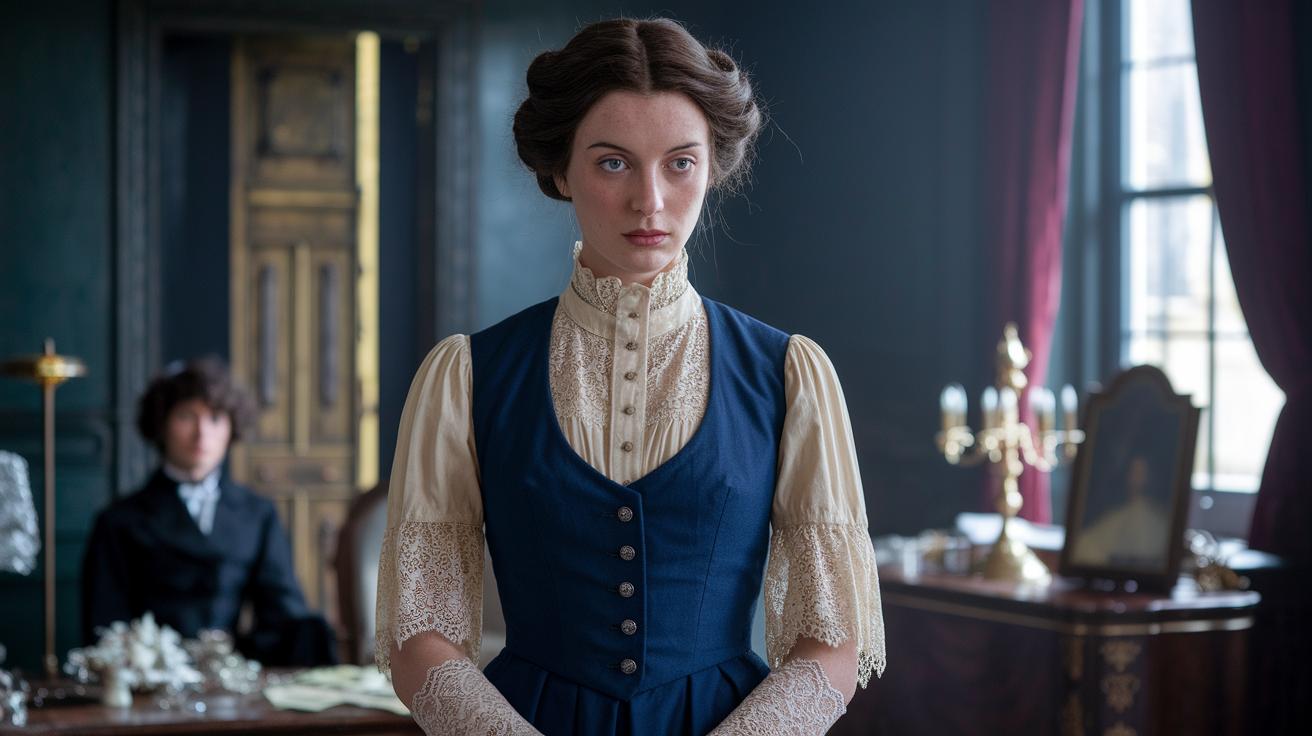
Victorian fashion represents a harmonious blend of refined elegance and exacting craftsmanship. Designers of the era drew on historical influences from periods like Byzantine, Rococo, Tudor, and Regency. They transformed these inspirations into attire that combined defined silhouettes with intricate detailing. For example, a well-tailored waistcoat paired with a sharply fitted blouse reflects the era's pursuit of structured elegance, much like a Renaissance painting reinvented in fabric. This style also celebrated the tradition of corsetry, where carefully designed garments subtly sculpted the figure.
Opulent fabrics, delicate lace embellishments, and exquisite embroidery lie at the heart of Victorian aesthetics. Masterful textile work not only heightened the allure of each piece, but it also wove together diverse historical influences. Every hand-finished trim and thoughtfully chosen piece of jewellery recalled the grandeur of past aristocracies while reinterpreting enduring silhouettes for modern taste. Imagine a silk gown whose flowing embroidered patterns echo the lavish halls of a Tudor court, yet are thoughtfully modernized.
Finely crafted accessories, ranging from intricate brooches to artfully designed cuffs, further enrich the story of Victorian style. Whether showcased by a cinched waist or the liberal use of fine lace, every detail speaks to a long-standing tradition of sophistication and luxury. This enduring influence continues to shape contemporary fashion, inspiring designers to blend historical charm with new expressions of elegance.
Modern Integration: Bringing Victorian Style into Contemporary Spaces
Thoughtful restoration combined with a careful blend of vintage elements allows homeowners to introduce the enduring elegance of Victorian design into modern interiors. By keeping defining details like crown molding, wainscoting, and deep, rich paint colors, you create a welcoming atmosphere that celebrates the best of both eras. Contemporary finishes, such as peel and stick wallpaper along with minimalist decor, serve as a clean backdrop that makes these historic features stand out. For instance, using original wainscoting on a once plain wall can transform it into a vibrant storyteller bridging the past and today.
Modern renovations need not replicate every historical detail. Instead, they focus on selecting key accents that evoke the graceful spirit of the Victorian era. Homeowners often choose framed fern prints or hunt for unique vintage treasures like hand-painted chessboard side tables, carefully crafted drawers, or trestle-base casters. These pieces seamlessly merge history with modern functionality.
Traditional remodeling methods now embrace the idea of merging period charm with contemporary comforts. By adhering to preservation best practices, original details are maintained while enhancing the overall livability and style of today’s homes. Through deliberate integration and creative reinterpretation, Victorian elements remain a strong inspiration in modern interior design.
Final Words
In the action, the blog guide masterfully explores diverse segments of vintage residential design, detailing period home architecture, intricate interior décor, and authentic victorian style fashion. It highlights the unique charm of sub-styles, steeply pitched roofs, and elaborate ornamentation while also offering practical advice on blending classic features with modern finishes.
This overview encourages creative visions to maintain heritage charm and functionality in today’s homes, ensuring that timeless design continues to inspire and uplift every living space.
FAQ
Q: What is considered Victorian style?
A: The term Victorian style is considered an aesthetic rooted in Queen Victoria’s reign, characterized by ornate detailing, intricate trim work, steep roofs, and richly decorated interiors that evoke an air of historical sophistication.
Q: What does Victorian style look like?
A: The Victorian style looks defined by elaborate ornamentation both inside and out, featuring decorative moldings, textured wallpapers, stained glass, intricate ironwork, and patterned accents that create a layered, visually rich environment.
Q: What defines Victorian fashion and period clothing?
A: The Victorian fashion and period clothing are defined by structured silhouettes, corsetry, lace detailing, and luxurious fabrics, reflecting a refined elegance influenced by historical design motifs and meticulous craftsmanship.
Q: What are the key features of Victorian interiors and furniture?
A: Victorian interiors and furniture are key features marked by maximalist decor, patterned wallpaper, crown molding, carved wood pieces, decorative ceiling medallions, and dark, moody color palettes that provide a dramatic period charm.
Q: How does Victorian architecture express its identity?
A: Victorian architecture expresses its identity through diverse sub-styles—Gothic Revival, Italianate, Queen Anne—with steep, practical roofs, intricate trim work, ornate door moldings, and stained glass windows that create a distinctive period look.
Q: How can one differentiate Victorian from Edwardian styles in a home?
A: Differentiating Victorian from Edwardian styles in a home involves noting that Victorian designs typically feature more ornate detailing, steeper roofs, and intricate trim, while Edwardian architecture is generally simpler and lighter in ornamentation.
Q: How is Victorian style integrated into modern design?
A: Victorian style is integrated into modern design by blending traditional elements—such as crown moldings and antique finishes—with contemporary touches like minimalist decor and modern materials, creating dynamic spaces that honor heritage and embrace current trends.

… [Trackback]
[…] Here you will find 57117 more Info on that Topic: leblooms.com/victorian-style/ […]
… [Trackback]
[…] Read More on on that Topic: leblooms.com/victorian-style/ […]
… [Trackback]
[…] Information on that Topic: leblooms.com/victorian-style/ […]
… [Trackback]
[…] Find More here to that Topic: leblooms.com/victorian-style/ […]
… [Trackback]
[…] Find More here to that Topic: leblooms.com/victorian-style/ […]
… [Trackback]
[…] Find More on that Topic: leblooms.com/victorian-style/ […]
… [Trackback]
[…] Find More Information here to that Topic: leblooms.com/victorian-style/ […]
… [Trackback]
[…] Information on that Topic: leblooms.com/victorian-style/ […]
… [Trackback]
[…] Read More on that Topic: leblooms.com/victorian-style/ […]
… [Trackback]
[…] Read More on that Topic: leblooms.com/victorian-style/ […]
… [Trackback]
[…] Read More on that Topic: leblooms.com/victorian-style/ […]
… [Trackback]
[…] Read More here on that Topic: leblooms.com/victorian-style/ […]
… [Trackback]
[…] Read More here on that Topic: leblooms.com/victorian-style/ […]
… [Trackback]
[…] Read More Information here to that Topic: leblooms.com/victorian-style/ […]
… [Trackback]
[…] Read More Info here on that Topic: leblooms.com/victorian-style/ […]
… [Trackback]
[…] Read More on that Topic: leblooms.com/victorian-style/ […]