Have you ever thought your outfit could do more than just make you look good? Sustainable fashion is a way to show love for our planet, almost like giving Mother Earth a gentle hug. When we choose clothes made from green fabrics like organic cotton or recycled polyester (which is made by reusing materials like old bottles), we blend style with care for the environment.
And did you know that nearly one-fifth of global water pollution comes from the fashion world? It’s a reminder that fast, careless trends come with hidden costs.
This piece explains how simple, eco-friendly choices can turn fashion from wasteful to thoughtful. What you wear really does matter, not just for your look, but for the world around you.
Sustainable Fashion Fundamentals and Core Principles
Sustainable fashion is all about making clothes, shoes, and accessories in a way that cares for our planet. Basically, it means producing items so that they cause less harm to our water, air, and land. For example, the fashion world has a big role in polluting water, already making up 20% of global industrial water pollution. And fast fashion really ramps up the impact by adding nearly 10% of all carbon emissions. It’s like buying a trendy outfit today also adds a hidden cost for our water and air.
Besides affecting nature, rapid fashion trends can hurt people too. Many times, the workers making our clothes face difficult conditions and low pay as brands rush to meet high demand. This overproduction not only creates extra waste but also strains communities, often forcing workers into unsafe situations.
- Organic and recycled materials
- Transparent supply chains
- Fair wage and safe working conditions
- Low-impact production methods
- Circular reuse and recycling
These ideas form the heart of eco-friendly clothing. They help guide brands to make smarter choices that protect both the environment and the people behind the scenes. By embracing these practices, the fashion industry can move from wasteful production toward a style that benefits everyone and our planet alike.
Sustainable Fashion Materials: Eco-Friendly Fabrics and Their Benefits
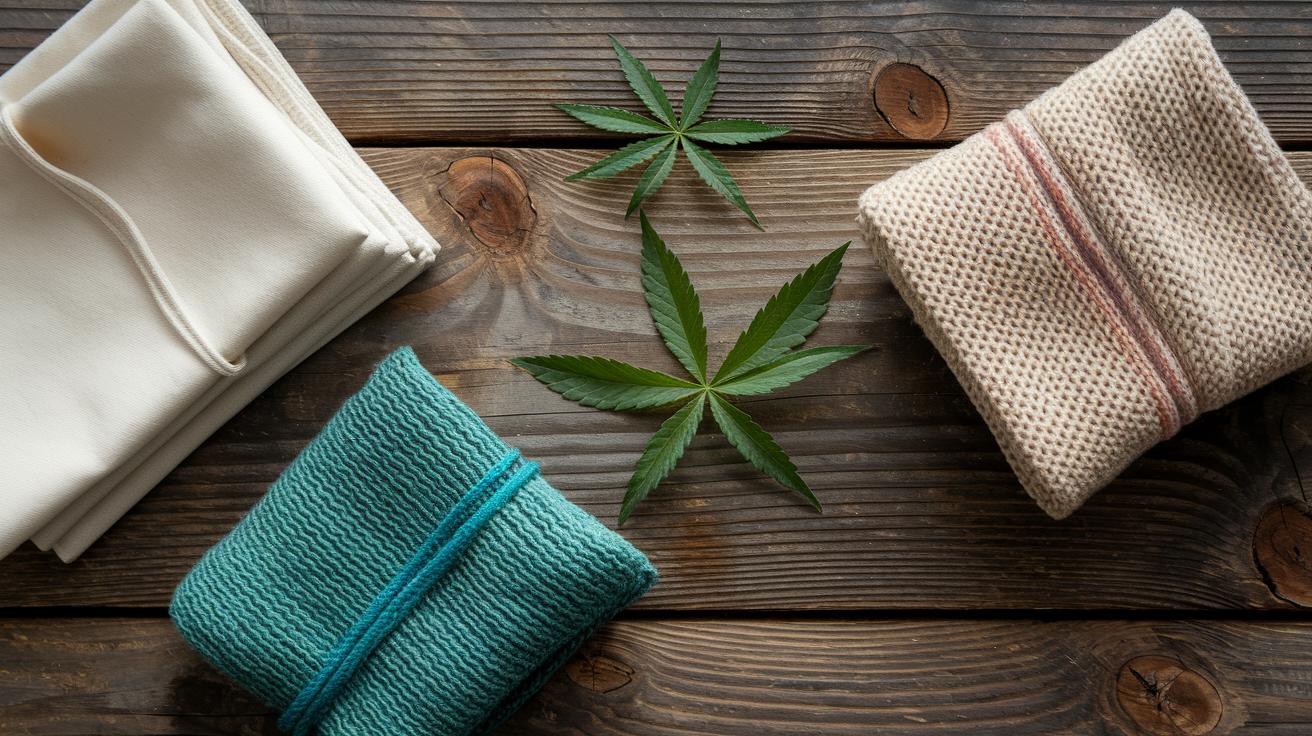
More and more brands are choosing green fabrics to cut down on waste and chemicals. They’re using organic cotton, recycled polyester, and hemp to make stylish clothes that also help the planet. Organic cotton grows without harsh synthetic pesticides and needs less water, which makes it a smart pick for eco-friendly collections. Recycled polyester turns old plastic waste into durable, trendy fabric. And hemp, known for its super-fast growth and low water needs, offers great strength and naturally resists pests. Imagine slipping into a light, breezy hemp shirt grown naturally without the heavy chemical treatments you’d usually see. It’s a win for comfort and the earth.
Then there’s the magic of new dye techniques. Biodegradable dyes, made from natural ingredients, break down easily, which means clothes can be composted at the end of their life. Some fabrics even earn special climate-positive textile certifications because they use less water and energy during production. Picture a vibrant scarf colored with plant-based dyes that are as kind to the earth as they are pleasing to the eye. These smart, new approaches are guiding fashion toward a greener, more thoughtful future.
Sustainable Fashion Processes: Zero-Waste and Circular Design Methods
Zero-waste cutting is all about planning the fabric layout so carefully that you end up with hardly any scraps left. It’s like being super smart with the material, you get nearly every inch of fabric used, just like when you repurpose an old sweater into something new and fresh.
Then there’s closed-loop recycling. This is where leftover or worn-out fabric gets collected and turned into brand-new pieces. It’s a bit like recycling your favorite jeans instead of tossing them away. Material recapture takes things even further by making sure every tiny bit of fabric finds a new life. Imagine turning trim bits into cool patchwork details, that creative twist shows even waste can be stylish.
At London Fashion Week, we saw a cool example of upcycling in action. A designer turned 10 donated wedding dresses into eye-catching runway looks. This smart move wasn’t just artistic, it also proves that repair, rental, and resale can give garments a whole new lease on life. Renting or repairing a piece helps cut down on fabric waste and keeps our wardrobes lively, perfectly aligning with circular design ideas.
Sustainable Fashion Supply Chains: Ethics and Fair Trade Impact

Transparency is the heart of ethical supply chains. Today, brands stick to clear checklists, share detailed reports, and welcome honest feedback from workers. Think of it like a clear trail, every part of the process, from handling raw materials to final quality checks, is open for all to see.
Equally important are fair wages, safe workspaces, and giving back to local communities. When workers earn a living wage, they feel valued, and that energy lights up the whole work area. Brands go beyond factory walls by offering training and healthcare programs, making sure that the benefits reach local neighborhoods. This kind of dedication builds trust and improves the work conditions for everyone.
On the flip side, fast fashion often cuts corners to save money. It usually depends on low pay in far-off countries where rules are loose and worker voices aren’t heard. That kind of setup can hurt communities and makes it hard for workers to stand up for their rights. Clearly, fair trade practices bring big social benefits that help everyone shine.
Sustainable Fashion Innovations: Technologies Shaping Eco-Friendly Apparel
Zero-waste pattern cutting is all about using every bit of fabric like a perfect puzzle. Every scrap finds a little home, leaving hardly any waste behind. It’s a clever trick that makes a big green impact.
Water-efficient dye houses are changing the scene by slashing water and energy use by up to 50%. Imagine turning plain fabric into vivid colors using only a fraction of the usual resources, it’s a vibrant win for the planet.
Tracking tech is even adding a cool twist to fashion. With RFID tags, barcodes, and blockchain, you can scan an item and see its entire story, from the raw material stage right up to the final check. It’s like having a clear diary for every piece, making sure every step counts.
Packaging is getting its own eco-upgrade too. Designers are using recycled materials and cutting back on plastic so that every package protects not just the garment but also the planet. Think of it as nature-friendly wrapping that breaks down safely, just like the earth intended.
And let’s not forget the exciting breakthroughs in fiber research. New tech is paving the way for fabrics that are both recyclable and biodegradable. With energy-smart production methods being tested, the future of fashion looks bright and kind to the environment.
Sustainable Fashion for Consumers: Practical Strategies to Green Your Wardrobe
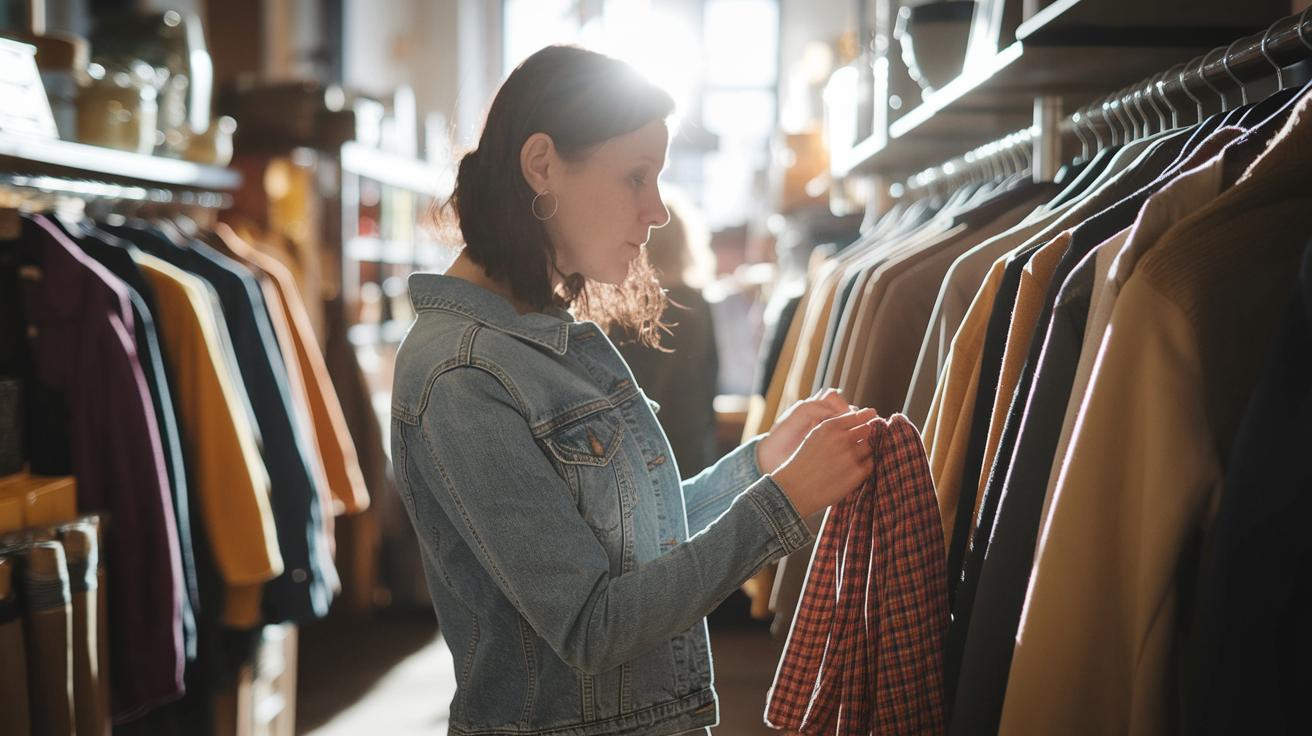
Choosing eco-friendly clothes isn’t just about looking good. Every time you shop thoughtfully, you send a strong message that you care about our planet. Imagine swapping a fast-fashion spree for a vintage treasure hunt. Picture finding a one-of-a-kind 70s jacket at your local thrift store that not only boosts your style but also keeps waste out of landfills. Little changes really do add up.
- Shop second hand and vintage
- Rent special-occasion outfits
- Repair, tailor, and upcycle old clothes
- Choose certified sustainable brands
- Donate or swap with friends and charities
- Invest in durable, timeless pieces
When you pick second-hand items, you uncover unique finds while helping the environment. Renting outfits for special events shows that you can be fabulous without always buying new. Research even shows that the thrill of new clothes can fade after just a few wears. Fixing up old garments is like a fun style adventure and a stand against disposable fashion. By choosing sustainable brands that follow strict eco rules, you support businesses that care about our future. Donating or swapping your clothes gives them a longer life and helps local charities. And when you invest in strong, timeless designs, you reduce the need to constantly replace what you have. Every smart choice you make turns your wardrobe into part of the solution for a greener world.
Sustainable Fashion Challenges: Fast Fashion’s Environmental and Social Toll
We've updated our information to make things clearer for you. Now, details on fast fashion's carbon emissions, water pollution, and the struggles of garment workers have moved to the sections "Sustainable Fashion Fundamentals and Core Principles" and "Sustainable Fashion Supply Chains: Ethics and Fair Trade Impact." This change helps us share fresh, easy-to-follow insights about the environmental and social impacts of fast fashion while keeping everything neat and straightforward.
Sustainable Fashion Case Studies and Trends: Real-World Examples
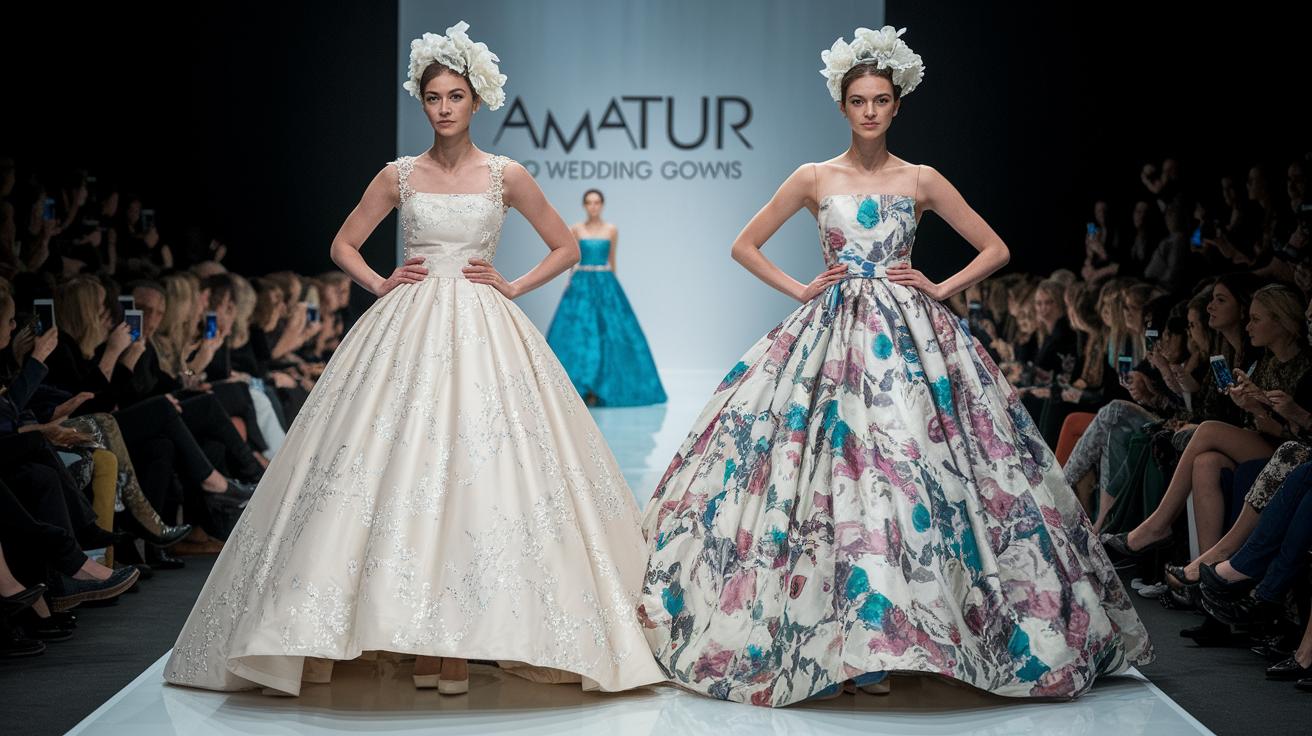
A creative designer turned 10 old wedding dresses into fabulous new runway looks. Imagine a show where once-forgotten gowns find a new life, proving that fashion can be both gorgeous and kind to the planet.
A well-known fashion label teamed up with non-profit groups to check every step of its supply chain. They made sure every piece of fabric was ethically sourced and every stitch had a story. Think of it as a thorough style check that makes every outfit something you can trust.
New government policies are giving a boost to renewable resources and recycled materials. By offering cool incentives, these rules help brands reimagine how they make clothes and push for greener textile choices. It’s like a gentle nudge that inspires the whole industry to be more eco-friendly.
These stories show how designers, non-profits, and even governments are joining forces to mix fashion with care for the environment. They remind us that when creative minds and ethical practices come together, every collection can be both stunning and sustainable.
Final Words
In the action, our piece explored how sustainable fashion shapes everything from materials to modern supply chains. We reviewed eco-friendly fabrics, zero-waste methods, and ethical practices that make a real difference. Each section gave a clear view of how style and care for the planet go hand in hand. Let these ideas spark fresh wardrobe choices and boost confidence in expressing your unique style. Keep shining bright and enjoy the benefits of sustainable fashion.
FAQ
What is a sustainable fashion brand?
A sustainable fashion brand is one that creates apparel with eco-friendly materials, streamlined supply chains, and fair labor practices to reduce environmental harm and support ethical production.
What are some sustainable fashion examples?
Sustainable fashion examples include brands using organic cotton, recycled polyester, and hemp while implementing zero-waste designs and repair programs to cut down on environmental impact.
Why is sustainable fashion important?
Sustainable fashion is important because it lowers pollution, curbs resource depletion, and supports fair labor practices, protecting both the planet and the people who make our clothes.
What are sustainable fashion articles?
Sustainable fashion articles are informative pieces that explain eco-friendly fabrics, ethical production methods, and practical wardrobe tips, offering insights for a greener way to shop and dress.
What is a sustainable fashion PDF?
A sustainable fashion PDF is a digital document outlining eco-friendly principles, best practices, and data on sustainable materials and production techniques, serving as a handy guide for enthusiasts.
What defines a sustainable fashion poster?
A sustainable fashion poster presents key eco-friendly practices and ethical messages visually, using bold graphics to inspire consumers toward eco-conscious choices in their personal style.
What does sustainable fashion for women mean?
Sustainable fashion for women means designing and curating clothing that merges current trends with eco-friendly production, fair labor standards, and renewable materials to support a greener wardrobe.
Who are sustainable fashion designers?
Sustainable fashion designers are creative professionals who focus on using recycled materials, zero-waste methods, and fair production practices to craft stylish garments that respect the environment and people.
What are the 7 R’s of sustainable fashion?
The 7 R’s of sustainable fashion refer to guiding principles often listed as Refuse, Reduce, Reuse, Repair, Repurpose, Recycle, and Recover, each helping minimize waste and conserve resources.
Which fashion brand is the most sustainable?
The title of “most sustainable” varies; many brands take strides by implementing transparent supply chains, eco-friendly materials, and fair labor practices, making it a dynamic and evolving industry standard.
What is an example of sustainability in fashion?
An example of sustainability in fashion is a label that upcycles worn fabrics and integrates zero-waste production techniques, merging style with environmental and social consciousness.
Is Zara a sustainable fashion brand?
Zara has launched eco-friendly collections and made sustainability pledges; however, its overall practices still include fast-fashion methods, making its commitment to sustainability a mixed bag.

seo companies los angeles
yqhqexcpq vaxmx olytnig gmol zewtwkstnrcbvoh
… [Trackback]
[…] Info on that Topic: leblooms.com/sustainable-fashion/ […]
… [Trackback]
[…] Read More on to that Topic: leblooms.com/sustainable-fashion/ […]
… [Trackback]
[…] Find More Info here on that Topic: leblooms.com/sustainable-fashion/ […]
… [Trackback]
[…] Read More to that Topic: leblooms.com/sustainable-fashion/ […]
… [Trackback]
[…] There you will find 79133 additional Information on that Topic: leblooms.com/sustainable-fashion/ […]
… [Trackback]
[…] There you will find 22488 additional Information to that Topic: leblooms.com/sustainable-fashion/ […]
… [Trackback]
[…] Read More Info here on that Topic: leblooms.com/sustainable-fashion/ […]
… [Trackback]
[…] Info to that Topic: leblooms.com/sustainable-fashion/ […]
… [Trackback]
[…] Find More on on that Topic: leblooms.com/sustainable-fashion/ […]
… [Trackback]
[…] Info to that Topic: leblooms.com/sustainable-fashion/ […]
… [Trackback]
[…] Find More on on that Topic: leblooms.com/sustainable-fashion/ […]
… [Trackback]
[…] Info on that Topic: leblooms.com/sustainable-fashion/ […]
… [Trackback]
[…] Find More to that Topic: leblooms.com/sustainable-fashion/ […]
… [Trackback]
[…] There you can find 60157 additional Information to that Topic: leblooms.com/sustainable-fashion/ […]
… [Trackback]
[…] Info to that Topic: leblooms.com/sustainable-fashion/ […]
… [Trackback]
[…] Find More Information here on that Topic: leblooms.com/sustainable-fashion/ […]
… [Trackback]
[…] Read More here to that Topic: leblooms.com/sustainable-fashion/ […]