Ever noticed how a single look can set the mood? Back in the Romantic era, fashion tossed the strict rules aside. It embraced soft, flowing designs that told personal stories. Around 1790 in England, every outfit was like a little piece of art, a blend of bold ideas and a carefree spirit.
Today, that same magic still lingers. Those original designs remind us of beauty and freedom, like a secret shared between friends. And honestly, isn’t it amazing when an outfit speaks to you all on its own?
Let’s dive into how this classic style continues to inspire us. Stick around as we explore a look that transformed fashion into a memorable expression of who you really are.
Romantic Era Fashion: Historical and Cultural Context

Romanticism changed fashion by letting people show off their true selves. It started in England around 1790 and quickly spread its free spirit to art, literature, and daily wear. Imagine an artist mixing bold colors on a canvas, each outfit became a unique story that celebrated individuality.
From the early 1820s to the 1840s, fashion went through big changes. In the early 1820s, the strict, high-waist Empire style gave way to softer, more natural shapes. Women moved away from rigid lines and embraced A-line skirts, natural waistlines, and playful decorative belts.
Then, in the 1830s, clothes took on an inverted triangle look. Think of wide shoulders and full hems that grabbed everyone’s attention. By the 1840s, fashion became even more refined. Designers introduced whalebone corsets for shape and modesty, and detachable undersleeves made caring for these beautiful garments easier.
| Period | Key Silhouette Feature | Notable Change |
|---|---|---|
| Early 1820s | A-line skirt, natural waist | Decorative belts |
| 1830s | Inverted-triangle shoulders & hem | Gigot sleeves |
| 1840s | Narrow shoulders, corseted waist | Detachable undersleeves |
For a wider look at fashion history, check out the design timeline at https://fullswag.com?p=558
Period Dress Silhouettes in Romantic Era Fashion
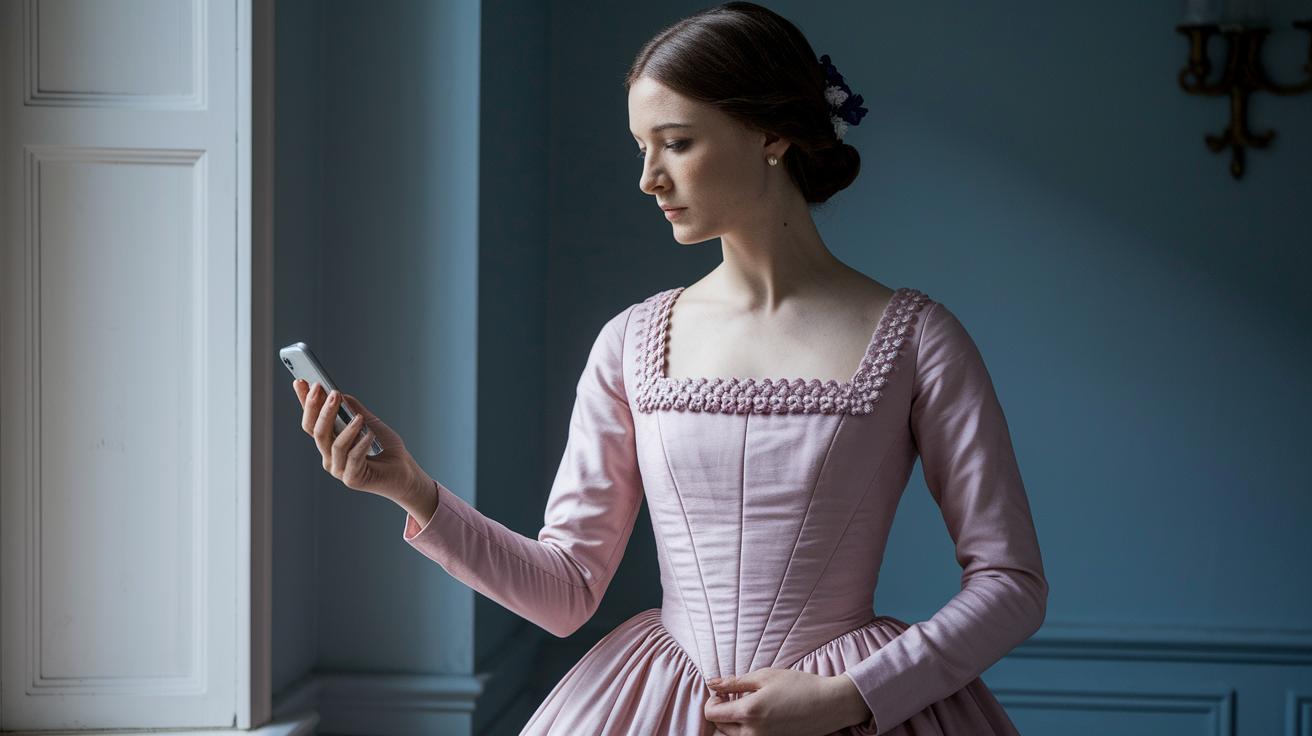
Back then, a dress silhouette was more than just its shape, it whispered who you were and what you believed in. How a dress was cut and worn told a story of grace, freedom, and a love for natural beauty. Every design set a mood that showed everyday elegance along with a hint of deeper artistic expression.
Between 1820 and 1825, gowns were made on the bias, which means they were cut at an angle to let the fabric flow gracefully with every step. They highlighted a naturally placed waist that made the line soft and easy, adding a touch of casual charm. But then, as the 1830s came along, designers switched things up in a bold way. They started creating volume around the shoulders with gigot sleeves (or leg-of-mutton sleeves) and paired them with bell-shaped skirts. This look brought a dramatic flair, making style feel like a lively art form.
By the 1840s, the trend shifted to an hourglass figure, where whalebone corsets carved out and defined a slim waist. Sleeves also took on a new look, getting slimmer with detachable under-sleeves, a smart mix of style and practicality. This blend of structure and clever design paved the way for techniques that even today's vintage fashion fans still admire.
Even now, these timeless silhouettes leave a lasting mark, inspiring designers to reimagine classic forms with a modern twist.
Fabrics, Patterns, and Colors in Romantic Era Fashion
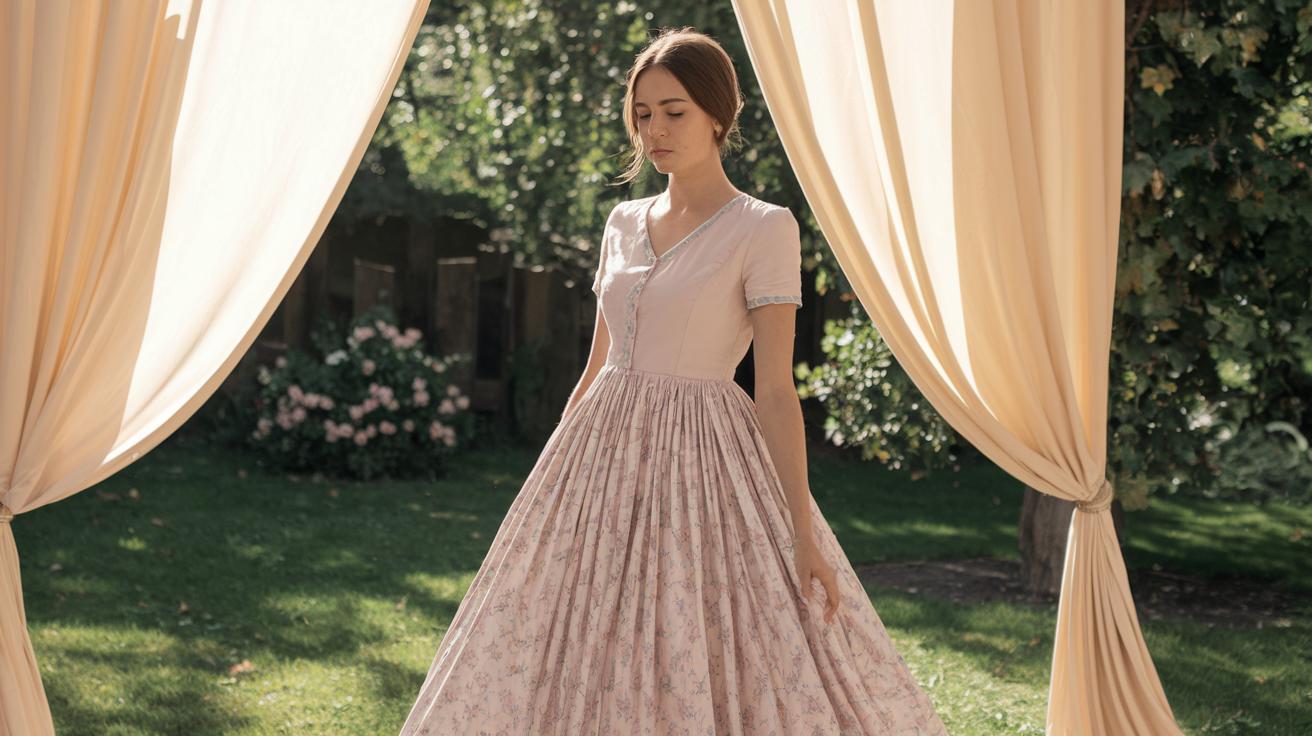
Back in the Romantic era, people picked fabrics that truly echoed nature’s vibe. Designers loved materials with soft drapes and a natural finish, letting the fabric flow like a gentle breeze. They wanted each piece to feel like a peaceful stroll through a sunlit garden, full of calm and natural beauty.
For everyday wear, lightweight cottons and muslins were the stars, keeping things cool and comfy. Meanwhile, silks and satins were saved for the evenings when a touch of elegance was needed. Natural plant dyes gave garments soft pastel shades like rose, lavender, and sage, kind of like nature’s own watercolor palette. And handmade lace? That delicate detail on bodices and sleeves added a dash of artisanal charm to every outfit.
This was also a time of playful pattern experiments. Designers drew inspiration from blooming gardens and wild meadows, adding floral motifs that still influence vintage looks today.
Historic Menswear Elegance in Romantic Era Fashion
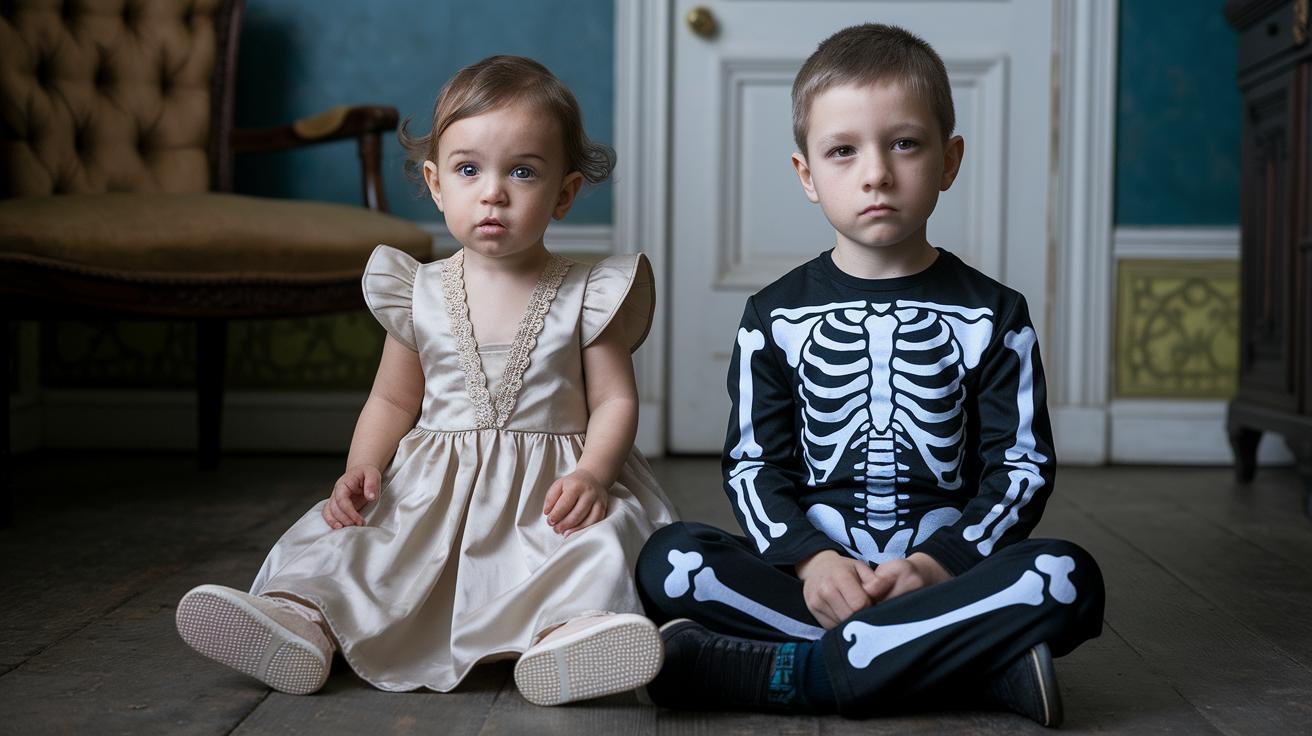
Kids back then dressed in ways that mixed simple style with a touch of elegance. Even little ones, under five, wore loose muslin gowns paired with comfortable pantalets. Their outfits hinted that style wasn’t about strict rules – it was inclusive and gentle, like a quiet nod to a future where dressing up was for everyone.
As boys grew older, their clothing marked their journey into maturity. By the age of 12, many were seen sporting skeleton suits, and the Eton suit looked a lot like what adult men wore. When these boys became men, they embraced fitted frock coats, crisp high-collared shirts, carefully picked waistcoats, and trousers that slimmed right in at the waist. These choices not only gave a sharp look but also showed a promise of order and self-control – a true step toward a well-tailored image in public life.
And then there was dandyism – think of it as adding a little extra flair. Details like cravats and gloves made their appearance, lending a refined charm that gave menswear a wink of bold style while still keeping it subtly cool.
Romantic Era Fashion’s Influence on Modern Trends

Have you noticed how today's runways are bringing back corset tops and puffed sleeves? Designers are mixing modern flair with a nod to the past, reviving historic details in fresh, playful ways. I once saw a corset top with puffed sleeves that instantly took me back to the bold shapes of the Romantic era – a trend that's making waves in 2024.
Modern bridal wear is giving us a gentle whisper of bygone romance with its delicate lace trims and soft pastel shades. Contemporary designers blend time-honored details with today's techniques, resulting in looks that feel both nostalgic and strikingly new. Even high-street brands are getting in on the action with dramatic shoulders and flowing fabrics that celebrate ornate charm and classic style.
Couture shows are also playing with vintage silhouettes by reworking old-world cuts into modern must-haves. They balance practical design with tender touches like subtle blush colors and detailed lacework. It’s a reminder that while trends may oscillate, the allure of a well-crafted silhouette is forever in style, a perfect bridge between historical artistry and today's fashion vibe.
Today’s designers are reimagining these timeless elements for both streetwear and red-carpet glamour, turning vintage details into bold statements that clearly speak the language of modern style.
Final Words
In the action, we see how cultural shifts, changing silhouettes, and playful details weave together a rich style story. We explored fluid dresses, inventive menswear tweaks, and fabric choices that whisper history. Each section painted a clear picture, from natural dyes and dramatic sleeves to the crafted allure of period tailoring. Modern designers echo these classic shapes and moods, drawing inspiration from romantic era fashion. It’s a fun, fresh reminder that past style elements can spark today’s wardrobe creativity and boost our confidence every day.
FAQ
What was the fashion style in the Romantic period?
The fashion style of the Romantic period celebrated free expression with A-line skirts, decorative elements, and natural waistlines evolving into dramatic silhouettes over the decades.
What is the 3 3 3 rule for fashion?
The 3 3 3 rule for fashion guides styling by suggesting three main garment pieces, three accent accessories, and three color tones for a balanced, coordinated look.
What are the 5 main characteristics of Romanticism?
Romanticism features passion, nature-inspired designs, individual expression, fluid lines, and artistic detail. These traits influenced both art and fashion during the period.
Why is it called the Romantic period?
It is called the Romantic period because it reflects a focus on emotion, nature, and unique self-expression that shaped art, literature, and the evolving dress styles of the era.
What defines Romantic era fashion for women and costumes?
Romantic era fashion for women and costumes embraced fluid drapes, decorative lace, pastel hues, and silhouettes that shifted from A-line gowns to more dramatic, bell-shaped skirts.
How did Romantic era fashion influence menswear?
Romantic era menswear featured fitted frock coats, high-collared shirts, and refined accessories that mixed practicality with an artistic touch, marking a shift toward more stylish, individualized looks.
What was 1820 working class fashion like during the Romantic period?
Working class fashion in the 1820s was more practical and simple, contrasting with upper-class styles that incorporated decorative belts and evolving silhouettes reflecting Romantic ideals.

… [Trackback]
[…] There you will find 69895 more Information to that Topic: leblooms.com/romantic-era-fashion/ […]
… [Trackback]
[…] Information to that Topic: leblooms.com/romantic-era-fashion/ […]
… [Trackback]
[…] Find More Information here on that Topic: leblooms.com/romantic-era-fashion/ […]
… [Trackback]
[…] Find More on that Topic: leblooms.com/romantic-era-fashion/ […]
… [Trackback]
[…] Find More here to that Topic: leblooms.com/romantic-era-fashion/ […]
… [Trackback]
[…] Read More Information here on that Topic: leblooms.com/romantic-era-fashion/ […]
… [Trackback]
[…] Read More Information here to that Topic: leblooms.com/romantic-era-fashion/ […]
… [Trackback]
[…] Read More on on that Topic: leblooms.com/romantic-era-fashion/ […]
… [Trackback]
[…] Here you will find 28522 additional Information to that Topic: leblooms.com/romantic-era-fashion/ […]
… [Trackback]
[…] Find More on that Topic: leblooms.com/romantic-era-fashion/ […]
… [Trackback]
[…] Find More on on that Topic: leblooms.com/romantic-era-fashion/ […]
… [Trackback]
[…] Find More on that Topic: leblooms.com/romantic-era-fashion/ […]
… [Trackback]
[…] Find More on to that Topic: leblooms.com/romantic-era-fashion/ […]
… [Trackback]
[…] Find More to that Topic: leblooms.com/romantic-era-fashion/ […]
… [Trackback]
[…] Read More to that Topic: leblooms.com/romantic-era-fashion/ […]
… [Trackback]
[…] Find More to that Topic: leblooms.com/romantic-era-fashion/ […]
… [Trackback]
[…] Information to that Topic: leblooms.com/romantic-era-fashion/ […]
… [Trackback]
[…] Find More on to that Topic: leblooms.com/romantic-era-fashion/ […]
… [Trackback]
[…] Here you can find 51748 additional Information on that Topic: leblooms.com/romantic-era-fashion/ […]
… [Trackback]
[…] Information to that Topic: leblooms.com/romantic-era-fashion/ […]