Have you ever thought that your favorite fast fashion finds could be helping the planet? Fast fashion is evolving fast, and more shoppers are picking styles that also care for the earth. What used to mean endless waste now offers a fresh vibe where trendy meets thoughtful. Today, we dive into how fast fashion fills your closet and benefits nature at the same time, lighting up the path to a smarter, greener wardrobe.
Fast Fashion Explained: Definition, Evolution & Industry Overview
Fast fashion is all about quickly making and selling trendy clothes. It means brands create styles super fast, often using lower-quality materials, to keep up with what’s hot right now. So instead of waiting months for a new collection, they bring fresh looks to the store in just weeks.
Back in the day, fashion was all about seasons. Designers spent months planning for Fall, Winter, Spring, and Summer collections. But fast fashion flipped the script. Designers now rush to copy styles and get them into stores immediately. It’s like going from a careful, long-planned runway show to quickly shipping out a new outfit almost overnight.
Today’s fast fashion scene is huge. It’s less about fancy, exclusive pieces and more about what’s in demand at the moment. With ever-shortening production cycles, you always see something new on the racks. And while this means you can keep your wardrobe updated without breaking the bank, it’s also sparked talks about how this quick turnaround affects our planet.
Drivers & Market Trends in Fast Fashion

Fast fashion is all about feeding our instant cravings for new looks and brands that can keep up. It’s like having your favorite boutique drop a fresh outfit every week, making you want to come back for more.
Digital buzz plays a huge role too. Social media influencers and slick online ads can turn a simple pair of $20 jeans into an absolute must-have, creating a vibe that's hard to ignore.
Here are some key factors behind the magic:
- Low retail prices
- Rapid trend replication
- Social media buzz
- Global manufacturing techniques
- A strong desire for the next new thing
This blend of wallet-friendly prices and ever-changing designs means shoppers are constantly hunting for that perfect find. Fast production techniques and viral trends make shopping feel like an urgent adventure. New styles pop up almost as quickly as the last buzz fades, keeping the whole cycle buzzing with energy.
Fast Fashion Supply Chain & Production Challenges
In the old days, clothes were mostly made by hand with lots of care, but that all changed during the Industrial Revolution when power looms and sewing machines sped everything up. Suddenly, making clothes fast took over, even if it meant sacrificing a bit of quality.
Now, a lot of garments are made using oil-based fibers. In fact, polyester alone makes up about half of what we produce worldwide. That heavy reliance on fossil fuels leads to more synthetic waste and fuels a cycle of overproduction. Factories race to catch the next trend, often cutting corners on environmental measures. The chemicals used in dyeing and finishing can be pretty toxic, too, bumping up emissions and waste to worrying levels.
Every step , from design and sourcing to production and distribution , has its own hurdles. The rapid pace turns raw materials into short-lived pieces, which contributes to soaring carbon emissions and a growing pile of synthetic waste. Plus, routine use of toxic chemicals puts both workers and our environment at risk. Speed often wins the race, but safety and sustainability sometimes get left behind.
| Stage | Common Practices | Key Challenges |
|---|---|---|
| Design & Sourcing | Quick trend copying; bulk buying synthetic fibers | Heavy use of polyester; harmful chemicals |
| Manufacturing & Production | Automated production lines; super fast runs | High carbon emissions; pollution of water and air |
| Distribution & Retail | Rapid online and in-store restocking; constant new arrivals | Excess production waste; garments that barely last |
Environmental & Social Impacts of Fast Fashion
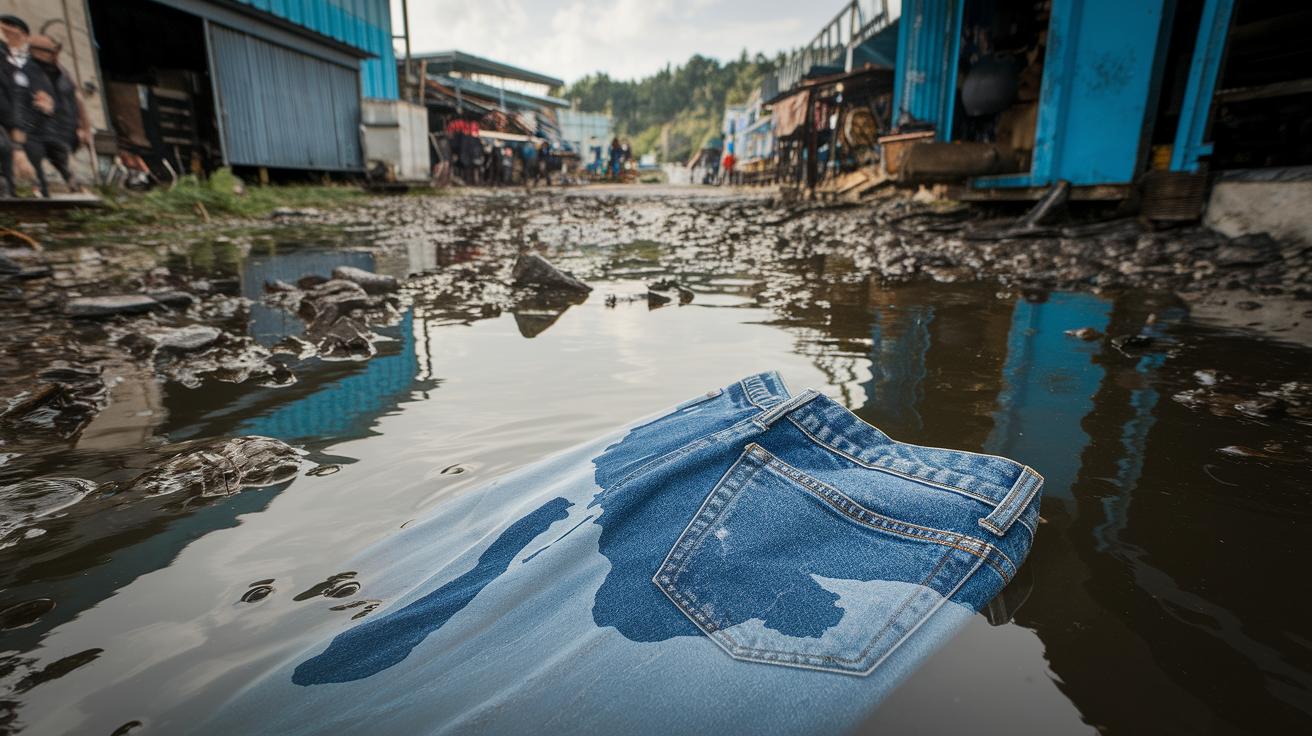
Fast fashion leaves a lasting impression on our world. Studies by organizations like UNEP show that this industry may be behind up to 10% of global carbon emissions. Factories work at breakneck speeds using energy-intensive methods and cheap synthetic fibers that stick around in landfills for decades. It really makes you wonder about the true cost of those trendy pieces.
Denim, a big player in fast fashion, is especially tough on water supplies. Imagine over 2.5 billion gallons of wastewater spilling into Asia’s lakes and rivers, affecting nearly 70% of these precious freshwater spots. The dyes and chemicals used in making jeans seep into streams and harm nearby communities. This toxic waste disrupts natural ecosystems and dims the promise of clean water for everyone.
On the human side, things aren’t much better. Many garment workers face long hours, low pay, and unsafe conditions. Factories rush to keep prices down and meet tight deadlines, so they often cut corners on safety and fair treatment. It’s disheartening to think that the clothes we love can come at such a high personal cost for those who make them.
In truth, the ripple effects of fast fashion stretch far and wide. When synthetic waste clutters our land and water, and when workers don’t get fair treatment, our style choices carry a burden. Maybe it’s time to lean towards more sustainable practices and support ethical brands. After all, wouldn’t it be nice if our wardrobes not only looked good but also helped create a healthier world?
Sustainable Alternatives & Consumer Actions in Fast Fashion
More and more brands and shoppers are rethinking fast fashion by exploring clever ways to dress up without the usual waste. They’re turning to clothing rental services, secondhand markets, and even pre-owned collections from big-name stores. These options let you rock the latest look without breaking the bank, all while giving clothes a new life. It’s pretty cool to see style and care come together in a quieter, more thoughtful industry. If you’re curious to start your own change, check out some ideas on sustainable fashion at https://leblooms.com?p=245.
Every shopper is now a key player in pushing a circular economy. By choosing upcycling, recycling, or repair programs, you can extend the life of your favorite outfits and even give old gems a fresh start. These simple steps not only slow down our throwaway habits but also make each piece uniquely yours. Wondering what sustainable fashion really means? Think of it as blending great style with smarter choices, and every buy helps build a greener, fairer future. For more details, visit https://fullswag.com?p=221.
Future Outlook & Policy Efforts for Fast Fashion Reform

New rules and ideas are opening up a fresh path for fast fashion. In the US, the Fabric Act is set to end pay-by-the-piece work, and New York’s Fashion Act makes companies keep tabs on where every item comes from. Plus, a big chunk of $14 billion is being devoted to help style makers switch to a way where materials get reused and recycled.
Industry groups are joining the effort too. They’re rolling out tools for clear, traceable sourcing that build trust with shoppers while cutting down on waste. And brands are even setting targets to use less water, proving that taking care of our planet can go hand in hand with fashion’s fast pace. It’s like a breath of fresh air when bold ideas meet real action.
Looking ahead, these steps promise to change how clothes are made. By mixing stricter rules with industry promises, the future looks set to benefit workers, improve work conditions, and protect our world. It’s exciting to see challenges in fast fashion turning into chances for a kinder, more sustainable style.
Final Words
In the action, we explored fast fashion, from its rapid production and trend replication to its social and environmental impacts. We chatted about key growth drivers, production challenges, and how eco-friendly options are emerging. We also touched on current policy efforts aiming for a less wasteful and safer industry. Every part of this discussion helps us build a clearer picture and encourages us to think about smarter choices in fast fashion. Here’s to a stylish, informed future ahead!
FAQ
What is fast fashion and why is it a problem?
The fast fashion model rapidly produces low-cost clothes mimicking high-end trends. This method leads to waste, environmental harm, and poor working conditions from overproduction.
How does fast fashion impact the environment?
Fast fashion increases carbon emissions, pollutes water bodies with production wastewater, and leaves lasting synthetic waste. Its reliance on cheap materials puts extra strain on the environment.
What are some examples of fast fashion brands?
Common examples include Target and Zara. These brands offer trendy, low-priced clothing that quickly responds to consumer demand for current styles.
Why does Gen Z love fast fashion?
Fast fashion appeals to Gen Z with its affordable prices and rapid style changes. This group values fresh trends and the freedom to experiment with looks on a budget.
What fast fashion documentaries or articles can help me learn more?
Various documentaries and articles explore the impact of fast fashion on the environment and workers. They provide clear insights into production practices and the industry’s challenges.
What fast fashion facts should I know?
Key facts include quick production cycles, low prices, overproduction, and significant environmental damage from synthetic fibers, highlighting major issues within the fast fashion model.

… [Trackback]
[…] Find More on to that Topic: leblooms.com/fast-fashion/ […]
… [Trackback]
[…] Find More to that Topic: leblooms.com/fast-fashion/ […]
… [Trackback]
[…] Find More Information here on that Topic: leblooms.com/fast-fashion/ […]
… [Trackback]
[…] There you will find 61331 more Information on that Topic: leblooms.com/fast-fashion/ […]
… [Trackback]
[…] There you will find 31827 additional Information to that Topic: leblooms.com/fast-fashion/ […]
… [Trackback]
[…] Find More on on that Topic: leblooms.com/fast-fashion/ […]
… [Trackback]
[…] Read More on to that Topic: leblooms.com/fast-fashion/ […]
… [Trackback]
[…] Info on that Topic: leblooms.com/fast-fashion/ […]
… [Trackback]
[…] Find More Info here to that Topic: leblooms.com/fast-fashion/ […]
… [Trackback]
[…] Read More Info here to that Topic: leblooms.com/fast-fashion/ […]
… [Trackback]
[…] Information on that Topic: leblooms.com/fast-fashion/ […]
… [Trackback]
[…] Read More on that Topic: leblooms.com/fast-fashion/ […]
… [Trackback]
[…] Find More Information here on that Topic: leblooms.com/fast-fashion/ […]
… [Trackback]
[…] Info to that Topic: leblooms.com/fast-fashion/ […]
… [Trackback]
[…] Read More to that Topic: leblooms.com/fast-fashion/ […]
… [Trackback]
[…] Information to that Topic: leblooms.com/fast-fashion/ […]
… [Trackback]
[…] Information on that Topic: leblooms.com/fast-fashion/ […]
… [Trackback]
[…] Here you can find 65806 more Info to that Topic: leblooms.com/fast-fashion/ […]
… [Trackback]
[…] Info on that Topic: leblooms.com/fast-fashion/ […]
… [Trackback]
[…] Here you can find 12640 additional Information on that Topic: leblooms.com/fast-fashion/ […]
… [Trackback]
[…] Read More Info here to that Topic: leblooms.com/fast-fashion/ […]