Ever noticed how one simple sketch can bloom into something that makes a room glow? Designers mix raw talent with real skill, turning an idea into wearable art. They get their hands dirty with fabric, using both solid know-how and a daring spin on the latest trends. It’s like magic, a rough drawing becomes a piece that fits right into everyday life. Today, we’re sharing the core skills that spark bold creativity and truly bring style to life.
fashion designers skills: Spark Bold Creativity
Fashion designers mix a creative spark with solid know-how to turn big ideas into art you can wear. They keep an eye on trends while making sure each piece not only looks amazing but works in everyday life. Ever pictured a designer sketching a modern outfit that feels just right? It’s like seeing a brilliant idea jump from the paper into reality.
They’re pros at pattern-making and garment construction. In other words, they take a rough, imaginative design and shape it into a clear blueprint for a finished piece. Imagine a designer saying, "Start with your idea, then draw precise patterns that mold the fabric perfectly." It’s where wild creativity meets real technical skill.
Trend spotting is another must-have skill. Designers understand every fabric’s personality, knowing how each material drapes and ages over time. Think about the difference between the soft feel of a cotton blend and the firm structure of wool, each fabric tells its own unique story.
Then comes the art of teamwork. Designers share their ideas with team members, fabric suppliers, and makers to bring a vision to life. Picture a design meeting where a designer says, "I want this jacket to surprise you while still feeling comfy and cool." Clear, friendly chats like these build the bridge between a creative vision and a truly inspiring creation.
Technical Drawing and Manual Skills in Fashion Design
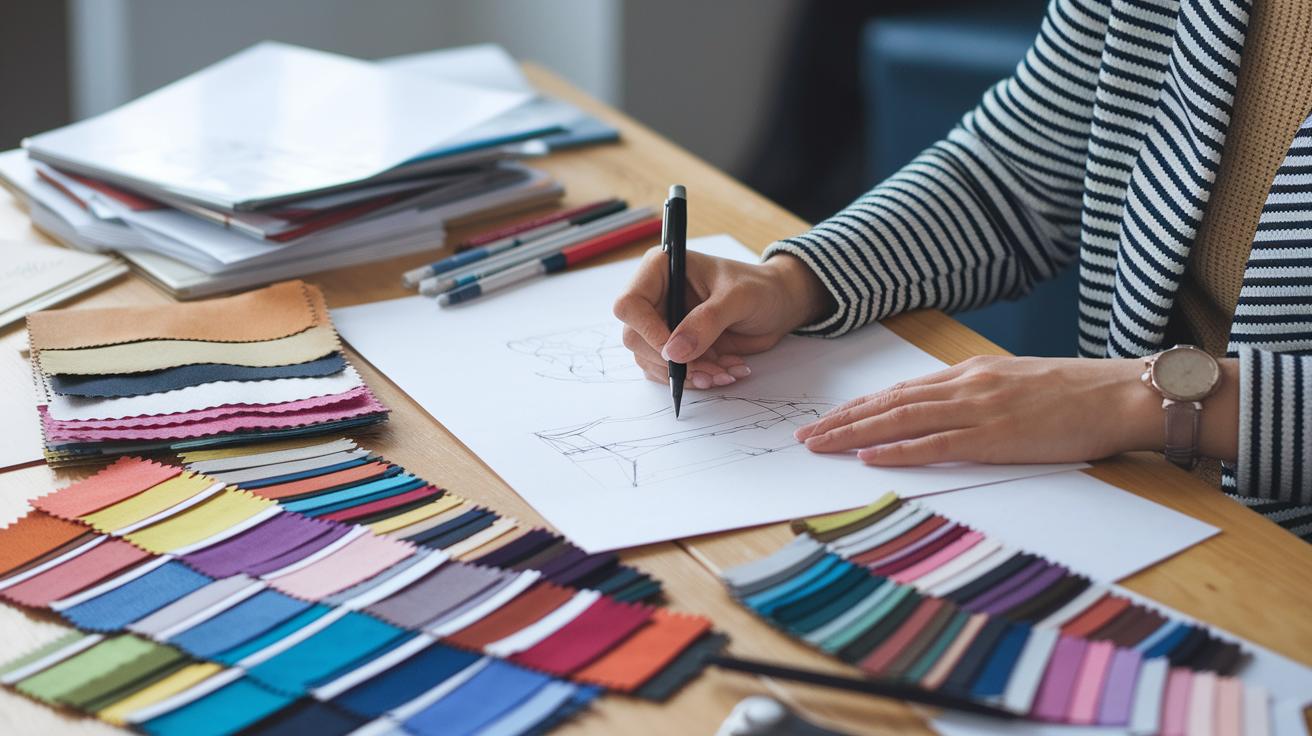
Technical mastery is where a designer’s creative spark meets the skill of making wearable art. Think of a designer who says, "My sketch is more than just a drawing – it's the road map for a future trend." It all begins with great sketching. One designer once shared, "Sketching for Fashion Design helped me capture the right proportions on paper which later became perfect on fabric." That shows how a steady hand and a smart eye work hand in hand.
In practice, technical drawing goes beyond putting pencil to paper. It means creating detailed guides that help with choosing fabrics, sewing, and shaping garments. Every line is drawn with care, laying the groundwork for drafting patterns that ensure measurements are spot on and seams line up just right.
And it isn’t only about drawing. Designers also need to master hands-on skills like draping – where fabric is molded on a form to create a beautiful silhouette – and garment construction methods. Picture a designer gently adjusting a drape on a dress form, transforming fabric into a piece of art. Paying close attention during these steps turns a simple design into something truly special.
| Skill | Description |
|---|---|
| Sketching Proficiency | Sketching for Fashion Design – Hand-drawn sketches that capture accurate proportions. |
| Pattern Drafting Expertise | Creating flat patterns for the perfect fit and shape. |
| Draping Mastery | Shaping fabric on a form to build the garment’s structure. |
| Garment Construction Methods | Sewing and assembly techniques for a strong build. |
| Couture Craftsmanship | Hand-sewing and embellishing methods for one-of-a-kind pieces. |
Digital Art and CAD Competence for Fashion Designers
Today, digital art and CAD are game changers for fashion designers. They help bring creative ideas to life quickly. Many designers use digital sketching and handy computer-aided design tools like Fashion Design Software to speed up their work. This digital setup lets them see realistic virtual prototypes and test different colors before moving to production. It’s like having a magic mirror that shows the finished look, so you can tweak things on the fly and save time.
Digital art also unlocks cool new possibilities such as 3D modeling for clothing and even virtual reality demos. These tools give you a close-up view of fabric textures and the shape of garments. Using programs like Adobe Photoshop, designers can add little details that make the images pop. And it doesn’t stop at design, digital skills also boost online marketing and social media branding. Designers can quickly share their work, get instant feedback, and track the latest trends. In short, mastering these digital skills not only speeds up production but also helps tell a brand’s unique story in today’s busy fashion world.
Textile Selection and Material Expertise in Fashion Design
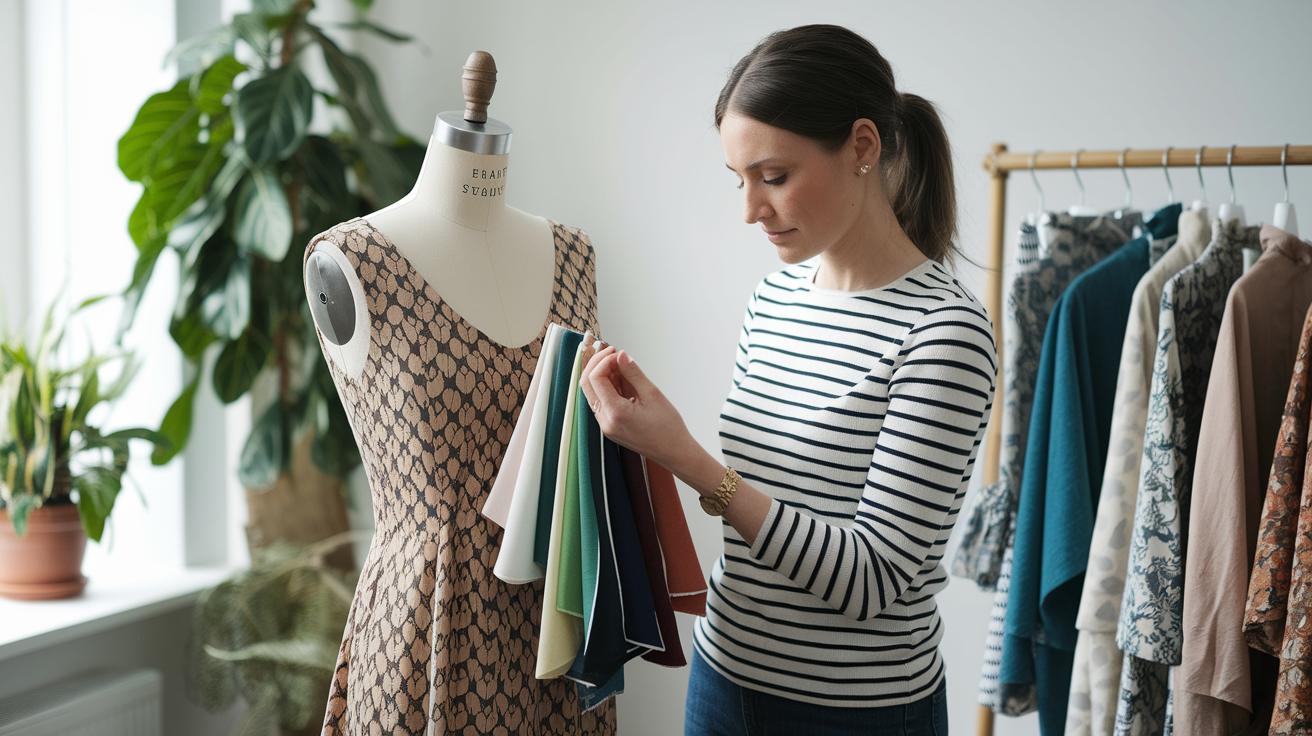
When designers know their textiles well, they can pick fabrics that look great and work well in real life. They mix their fabric know-how with smart fabric technology to choose the right materials that match their creative ideas and everyday wear needs. Each textile’s weight, drape, strength, and care tips can change a design from an idea into a real, wearable piece. And now, with eco-friendly choices on the rise, designers are leaning into fabrics that not only perform but also support a responsible, sustainable approach. They even try out cool new fabric treatments to boost both the style and the lifespan of their creations.
Designers can follow a few simple tips to nail their fabric choices:
- Look at how the garment will be used by checking drape, breathability, and toughness
- Explore new eco-friendly fibers and recycled materials
- Try out samples to see if colors stay bright and fabrics resist wrinkles
- Work with mills for special fabric finishes
- Keep track of how fabrics perform for steady quality
This method means that every piece stays true to a bold creative vision while also holding up in everyday wear. Choosing the right material is all about mixing art with smart, practical details and green practices. With great material know-how, garments feel modern, last longer, and truly perform, pushing creative progress forward.
Concept Development and Trend Forecasting in Fashion Designers Skills
Fashion designers brew up fresh ideas by mixing cues from culture, history, and runway moments. They draw inspiration by soaking in art, music, and even the subtle shifts in our society that shape style. One designer once said, "My inspiration comes from a lively festival in the city and a vintage film poster," blending old-school vibes with today’s energy in a creative mix.
Trend forecasting is a key piece in staying ahead. Designers dive into market trends, wander local streets, check out trade shows, and watch social media chatter to predict the next big thing. For example, one designer remarked, "Seeing bold prints on the streets sparked an idea for my next collection," proving that real-life looks can ignite fresh trends.
Market research gives designers a clear peek into what people love and what competitors offer. This insight helps them craft designs that resonate with today’s crowd while keeping a unique twist. When cultural waves push for eco-friendly choices or a nod to timeless style, designers adapt by exploring new materials and shapes.
This creative journey is all about constant reflection and experimentation. Every piece kicks off as a spark of inspiration, backed by keen observation and a bit of research, that grows into a trendsetter. It’s this mix of imagination and insight that paves the way for collections that truly make a statement.
Soft Skills and Business Acumen in Fashion Designers Skills
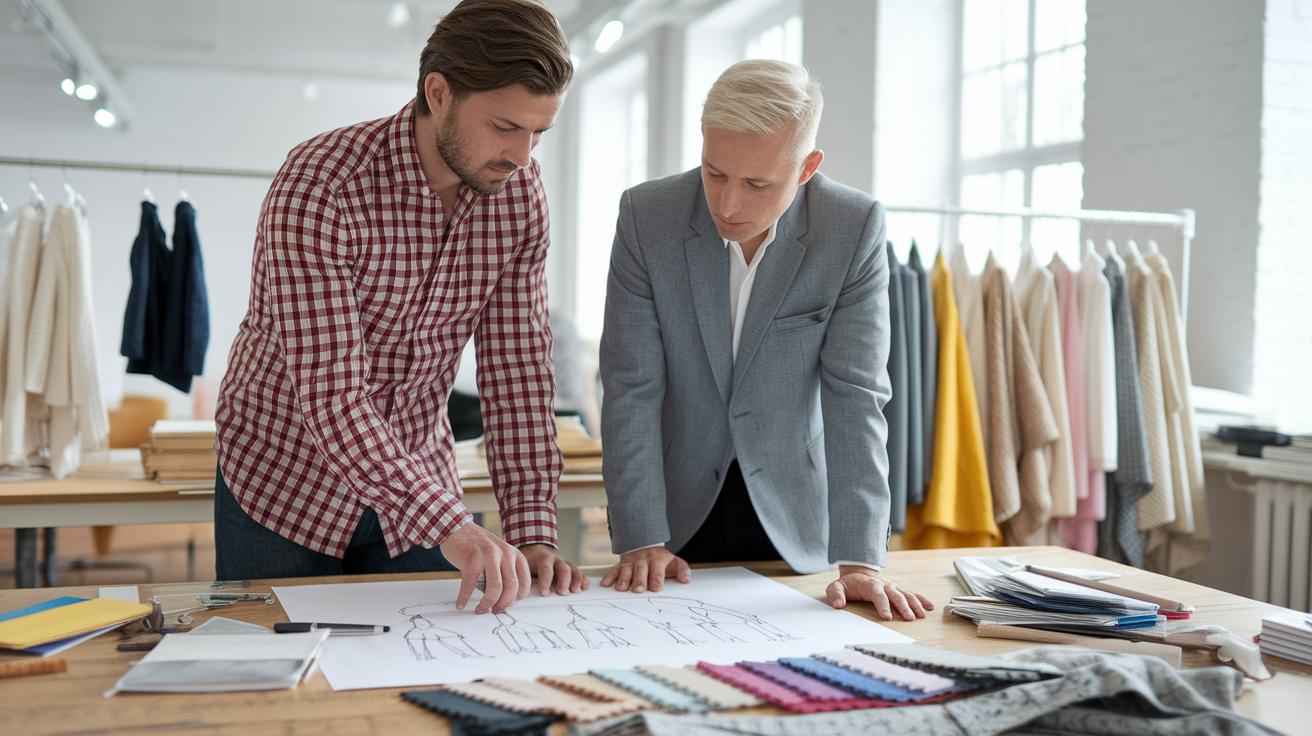
When designers share what they see with their team, manufacturers, and clients, talking clearly is key. Simple, honest conversations make it easy for everyone to see the special spark behind each piece. A designer might say, "When I explain my design in everyday words, I light up the room with excitement and clear understanding." It’s like turning a bright idea into something real.
Working together is all about mixing different talents in one creative space. When pattern makers, marketers, and production staff join in, the energy boosts creative problem solving. Designers often find that a quick, casual chat with a colleague can lead to on-the-spot tweaks that make the design even better.
Business smarts go hand-in-hand with being creative. Knowing the basics of budgeting, pricing, and marketing helps turn a cool idea into a sellable product. When a designer thinks like a small business owner, their work not only inspires but also clicks with the market. And good time management means they can focus on quality and keep the creative juices flowing during busy days.
So, by sharpening these soft skills and picking up business know-how, fashion designers create a recipe for turning creative sparks into stylish, wearable art.
Portfolio Building and Professional Growth for Fashion Designers
Creating a great portfolio is like piecing together your unique style story. Pick out your best sketches, technical flats, samples, and digital images to show how your creativity has evolved. Start off with a short personal statement that reveals your spark, like saying, "My work combines quick, spontaneous sketches with pieces that reflect my growth over time." This approach keeps things clean and engaging for anyone who checks it out.
Your online presence matters a lot. A dedicated website means recruiters and buyers can easily explore your work. With each project detailed from the spark of an idea to the final look, visitors get a real sense of your creative journey. Sharing behind-the-scenes shots or little progress moments can also connect you with those who truly appreciate your vision.
Networking is a big deal in the fashion world. Hit up trade shows, fashion weeks, or other industry events where you can chat with fellow creatives and professionals. Getting feedback from mentors and peers helps refine your skills and builds a supportive network. All these steps not only sharpen your design ability but also boost your professional growth.
Final Words
In the action, we covered the essentials, from hand-drawn ideas and smart pattern techniques to digital mastery and innovative fabric choices. The article tied each element with trend forecasting and solid business savvy, giving a clear guide on building a standout portfolio. Every step shared here can boost your confidence in personal style, helping you factor each detail into your creative process. Keep experimenting and refining your work. Every new project refines your fashion designers skills and lights the way to fresh possibilities.
FAQ
What skills should be included on a fashion designer resume or CV?
The skills needed on a fashion designer resume mix hard skills like sketching, pattern drafting, and digital design with soft skills such as clear communication and teamwork, showing you can blend creativity with technical know-how.
What technical skills are required for a fashion designer?
The technical skills required for a fashion designer involve abilities in sketching by hand, drafting patterns, garment construction, using digital design software, and a strong understanding of fabrics and materials.
What soft skills and responsibilities are important for a fashion designer?
The soft skills and responsibilities important for a fashion designer include effective communication, collaboration with production teams, problem-solving, and time management, ensuring ideas move smoothly from concept to finished product.
What qualities make a good fashion designer?
The qualities that make a good fashion designer combine creativity with attention to detail, adaptability, and strong communication, allowing designers to translate trends into practical, wearable styles with a unique flair.
What are the five basic principles of fashion design?
The five basic principles of fashion design are balance, proportion, rhythm, contrast, and unity. These guidelines help create visually appealing, well-composed designs that work harmoniously together.
What are examples of design skills in fashion design?
The design skills in fashion include sketching proficiency, pattern drafting expertise, draping techniques, garment construction, and digital rendering. These skills work together to turn creative ideas into wearable art.

… [Trackback]
[…] Info on that Topic: leblooms.com/fashion-designers-skills/ […]
… [Trackback]
[…] Find More on that Topic: leblooms.com/fashion-designers-skills/ […]
… [Trackback]
[…] Information on that Topic: leblooms.com/fashion-designers-skills/ […]
… [Trackback]
[…] Find More here to that Topic: leblooms.com/fashion-designers-skills/ […]
… [Trackback]
[…] There you can find 44191 more Info on that Topic: leblooms.com/fashion-designers-skills/ […]
… [Trackback]
[…] Read More Info here to that Topic: leblooms.com/fashion-designers-skills/ […]
… [Trackback]
[…] Find More Info here on that Topic: leblooms.com/fashion-designers-skills/ […]
… [Trackback]
[…] Read More to that Topic: leblooms.com/fashion-designers-skills/ […]
… [Trackback]
[…] Here you can find 51719 more Information to that Topic: leblooms.com/fashion-designers-skills/ […]
… [Trackback]
[…] Read More Info here on that Topic: leblooms.com/fashion-designers-skills/ […]
… [Trackback]
[…] Here you can find 10575 more Info on that Topic: leblooms.com/fashion-designers-skills/ […]
… [Trackback]
[…] There you will find 33318 more Info to that Topic: leblooms.com/fashion-designers-skills/ […]