Have you ever noticed how one simple logo can speak volumes about a brand? Think about the double C from Chanel or the bold mark from Yves Saint Laurent. Each of these symbols quietly shares its own little story. A good logo isn’t just a pretty picture, it sets designers apart and builds a warm bond with customers.
In this post, we’ll chat about why these striking symbols work like a silent engine behind a brand’s success. They blend creativity with a timeless charm that leaves an impression long after you first see them.
Why a Strong Fashion Designers Logo Matters
A good logo is the face of a brand – it’s the very first image that sticks with you. Think about Chanel’s double C or Yves Saint Laurent’s unique vertical mark. They capture luxury in one quick look and leave a lasting impression. A well-made logo tells a brand’s story and builds an emotional bond with its audience.
Fashion logos are the visual anchors that set designers apart. They showcase a brand’s creativity and heritage while placing it right in today’s colorful fashion scene. A bold logo sparks curiosity and carries a mix of timeless charm and modern flair, making it something customers truly admire.
- Brand recognition
- Customer loyalty
- Market differentiation
- Narrative conveyance
- Design consistency
A smart and thoughtfully crafted logo goes way beyond just looking good. It stands as a symbol of trust and business success. By capturing a brand’s heart and connecting with the right crowd, a great logo not only makes a label unique but also builds lasting customer relationships. In today’s fast-moving fashion world, a strong logo quietly champions a designer’s vision, constantly sharing a message of quality and innovation on every runway and in every store display.
Key Elements of an Effective Fashion Designers Logo
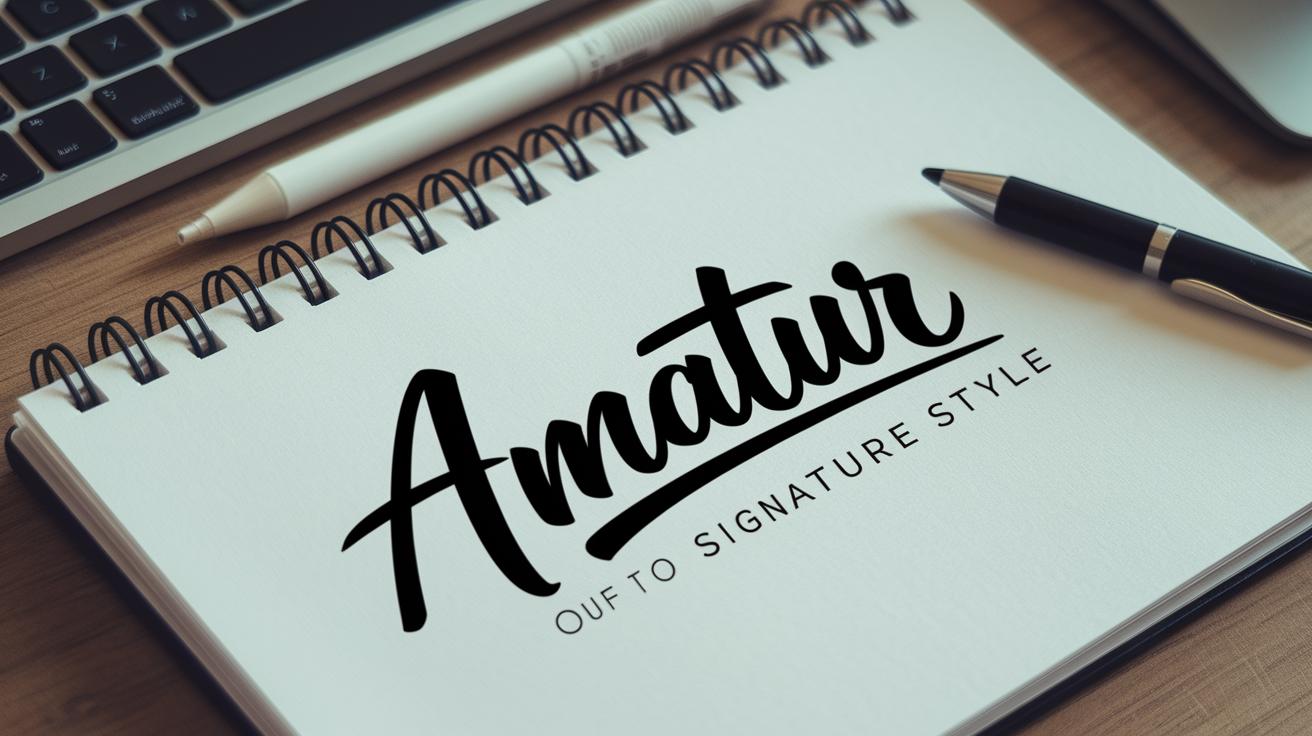
Every detail in a designer’s logo tells a bit of the brand’s story. A great logo mixes style with meaning, leaving a lasting impression while hinting at the creative spirit behind it. Designers often blend personal touches with modern looks to create a symbol that instantly speaks to you.
Typography & Signature Style
Handwritten signatures and custom typefaces add a warm, personal feel. Think of a flowing cursive like a designer’s quick autograph or a solid serif that nods to classic elegance. A one-of-a-kind typeface makes the logo instantly memorable, like a handwritten note that shares a secret story with you.
Monograms & Letterforms
Interlocking initials work like a shorthand for a brand’s identity. Similar to the famous interwoven letters seen in many luxury labels, these monograms pack history and style into a small space. They celebrate a brand’s legacy and make the logo easy to use on everything from tags to accessories.
Iconography & Symbols
Symbols, whether abstract or more literal, act like little storytellers. A smartly chosen icon, be it a myth-inspired figure or a simple shape, captures the brand’s vision and vibe. These visual clues let you feel the designer’s inspiration right away, long after you first see the logo.
Color Palette & Contrast
A bold yet simple color palette can make a huge difference. When you pair high-contrast colors, imagine a sharp red next to pure white or two clean, minimal tones, the logo really pops. Smart color choices catch the eye and set the mood for the brand.
Together, these elements form a logo that is both chic and inspiring, perfectly reflecting the brand’s unique personality and creative roots.
Iconic Fashion Designers Logo Case Studies
Iconic logos show us that little details can have a big impact. Think about how each design tells its own story while giving off a vibe of luxury and creative flair. These examples prove that a well-thought-out design can turn a simple mark into a signature style, speaking straight to fans and celebrating both tradition and fresh ideas.
| Brand | Logo Element | Year Introduced | Design Note |
|---|---|---|---|
| Chanel | Double C | 1925 | Created by Coco Chanel; a timeless symbol of luxury. |
| Versace | Medusa Motif | Late 1970s | Chosen by Gianni Versace to evoke allure and drama. |
| Gucci | Double G | Unclear | Linked to Guccio Gucci and refined by his son Aldo. |
| Louis Vuitton | LV Monogram | 1896 | Designed as an anti-counterfeiting measure and a mark of quality. |
| Yves Saint Laurent | YSL Vertical Logo | 1961 | Originally designed by Cassandre; revived with modern flair. |
| Prada | Savoy Coat of Arms & Figure-Eight Knot | 1919 | Adopted after official recognition as a royal supplier. |
| Burberry | Equestrian Knight | ~1901 (Trademarked 1909) | Reflects the brand’s early links to exploration and military use. |
| Hermès | Equestrian-Themed Mark | N/A | Echoes its beginnings in high-end saddle and equine accessories. |
| Lanvin | Emblem Inspired by Jeanne Lanvin’s Daughter | 1897 | Captures the personal influence behind the brand’s identity. |
These case studies remind us that a strong logo mixes personal storytelling with clear, eye-catching visuals. Each design is like a little piece of art that celebrates a brand’s history while embracing a modern twist. It’s a perfect combo that remains inspiring to both loyal fans and those just discovering the brand.
Modern Trends Shaping Fashion Designers Logo Design

Consumer tastes are on the move, and today's logos totally show it. Designers are mixing simple, modern shapes with bold twists to create marks that really pop and feel fresh.
Simple, clean shapes are making a big comeback. Designers love using basic curves and crisp lines that keep things clear and stylish, all while making a strong impression.
Old symbols are getting a modern twist too. Think of traditional designs, like classic emblems, being updated with a fresh look that brings history into the now.
There’s also a fun burst of creativity with lettering. Custom fonts and handwritten styles make each logo feel like a one-of-a-kind story written just for you.
Plus, bold colors are in the spotlight. Designers are playing with striking color contrasts that grab attention, much like the eye-catching red seen in some of your favorite brands.
Balancing today’s trends with a timeless look is key. When designers get it just right, the logo isn’t just trendy, it stays memorable and true to the brand for years to come.
Tools & Services for Fashion Designers Logo Creation
Picking the right design tool really changes how your logo ends up looking. It takes a cool idea and turns it into a simple, eye-catching mark that speaks your style. And it’s not just about the look on your website or label, it even impacts how every branding piece feels.
AI-powered emblem makers are a fun, fast way to get those creative juices flowing. They let you try lots of design options and whip up a custom icon for your label in minutes. On the other hand, vector-based design suites give you total control, letting you perfect every line and curve so your logo looks sharp on any medium. And if you want a more personal touch, boutique branding agencies work side-by-side with you to polish up your ideas and stick to top brand mark practices. Whether you’re just starting out or already a pro, fashion design software can help you create quality looks.
Figuring out which tool fits your project is key. For a small brand refresh, an AI tool might be just right. But if you’re telling a bigger brand story, you might need those advanced vector suites or a specialized agency to bring your vision to life.
Tips for Hiring a Designer for Your Fashion Designers Logo

Start by browsing portfolios to see if a designer’s work clicks with your brand. Check out case studies that showcase stylish, memorable logos so you can get a feel for their creative process. Ever wondered if a designer really nailed that luxury vibe? A strong portfolio shows off their talent and vision, setting you up for a logo that truly leaves its mark.
Next, think about your budget. Often, you might spend anywhere from $500 to $5,000 or more to secure a designer who understands boutique trends. When you invest in a well-established designer, you’re not just getting a logo but a mark that speaks directly to your audience, every dollar genuinely counts.
Finally, set clear milestones, decide on review limits, and secure usage rights right from the start. Sorting these details early on makes sure you and your designer are always on the same page, keeping your partnership as smooth as a perfectly styled accessory.
Common Pitfalls in Fashion Designers Logo Design
When a logo doesn’t work right, the price can be steep. If things go off track with the design, it can weaken how people see your brand, confuse your audience, or even bring legal troubles. Keeping your logo simple, flexible, and legally clear is super important.
Overly Detailed Designs
Lots of intricate details can look cool at first, but too many details can make a logo hard to recognize. It can steal the spotlight from the brand’s main message, especially when you shrink it down.
Not Thinking About Size
A logo should look great whether it’s on a tiny label or a giant billboard. Designs that don’t work well when resized can end up looking blurry or messy, which can hurt your brand’s consistency.
Mixed-Up Colors
Using a patchwork of colors that don’t match up can create a confused look across different types of media. Keeping your colors steady helps maintain a strong and clear visual identity, whether online or in print.
Overlooking Legal Checks
Skipping a trademark check can lead to big legal headaches. It’s great to have a unique design, but you also need to make sure it doesn’t clash with someone else’s trademark.
Not Testing on Real Materials
A logo might look fantastic on your screen, but it can fall short on fabric, packaging, or other surfaces. Testing your design on various materials often reveals hidden issues before they become a problem.
Taking the time to test your logo with real users and get a solid legal review can help catch these pitfalls before your logo goes live.
Final Words
In the action of exploring strong brand marks, we journeyed through why a standout fashion designers logo matters. We covered how it shapes first impressions, builds trust, and supports lasting market success. The blog laid out key benefits like brand recognition, customer loyalty, market differentiation, narrative clarity, and design consistency.
This dynamic insight shows that a well-crafted fashion designers logo is more than just a mark. It’s the spark that propels your style to shine. Keep experimenting and stay inspired.
FAQ
What does “fashion designers logo PNG” mean?
The term “fashion designers logo PNG” means a logo saved as a PNG file, which offers a clear background for versatile use on various digital and print platforms.
What are some creative ideas for fashion designers logos?
Creative ideas for fashion designers logos include using stylized typefaces, clever monograms, and simple icons that capture a brand’s unique style and spirit in a modern, memorable way.
How does a fashion designers logo maker work and what free tools can I use?
A fashion designers logo maker helps you design logos quickly by offering ready-made templates and customizable graphics. Free tools like Canva, Logo Maker, and Wix provide accessible options for creating stylish brand marks.
Where can I find inspiring fashion designers logo images and brand names lists?
Inspiring logo images and brand names lists often appear in online galleries and design blogs, showcasing a range of styles and offering a comprehensive A-Z look at famous and emerging fashion labels.
What are the top 10 most recognizable logos in fashion and what famous examples exist?
The top 10 most recognizable logos span iconic marks like Chanel’s interlocking Cs, Versace’s Medusa, and Louis Vuitton’s LV. These designs break through crowds with distinct simplicity and high brand recall.
What do symbols of luxury in fashion logos signify?
Symbols of luxury in fashion logos signify quality, heritage, and aspirational appeal. They often incorporate refined typography, exclusive icons, and classic color schemes that evoke sophistication and trust.
How do I create a fashion designer logo?
Creating a fashion designer logo begins with sketching ideas, choosing a clean design, and experimenting with typefaces and icons that reflect your brand’s personality. Then, use design software to refine and digitize your concept.
Who is considered a famous fashion icon?
A famous fashion icon is someone recognized for their influential style evolution, such as Audrey Hepburn or Rihanna. Their distinctive looks and creative flair shape trends and inspire fashion enthusiasts worldwide.

… [Trackback]
[…] Read More Information here to that Topic: leblooms.com/fashion-designers-logo/ […]
… [Trackback]
[…] There you can find 62750 more Info to that Topic: leblooms.com/fashion-designers-logo/ […]
… [Trackback]
[…] Here you will find 20361 additional Information to that Topic: leblooms.com/fashion-designers-logo/ […]
… [Trackback]
[…] There you will find 37232 additional Info to that Topic: leblooms.com/fashion-designers-logo/ […]
… [Trackback]
[…] Read More to that Topic: leblooms.com/fashion-designers-logo/ […]
… [Trackback]
[…] Find More on on that Topic: leblooms.com/fashion-designers-logo/ […]
… [Trackback]
[…] Find More here to that Topic: leblooms.com/fashion-designers-logo/ […]
… [Trackback]
[…] Read More on to that Topic: leblooms.com/fashion-designers-logo/ […]
… [Trackback]
[…] Info on that Topic: leblooms.com/fashion-designers-logo/ […]
… [Trackback]
[…] Information on that Topic: leblooms.com/fashion-designers-logo/ […]
… [Trackback]
[…] Information to that Topic: leblooms.com/fashion-designers-logo/ […]
… [Trackback]
[…] Read More to that Topic: leblooms.com/fashion-designers-logo/ […]
… [Trackback]
[…] Read More on that Topic: leblooms.com/fashion-designers-logo/ […]
… [Trackback]
[…] Find More on to that Topic: leblooms.com/fashion-designers-logo/ […]
… [Trackback]
[…] Read More here on that Topic: leblooms.com/fashion-designers-logo/ […]
… [Trackback]
[…] Find More on to that Topic: leblooms.com/fashion-designers-logo/ […]