Have you ever thought about how a simple drawing turns into the stylish pieces you see on the runway? Imagine a creative soul who mixes art with a sharp eye for trends, making those ideas into clothes you can wear.
Designers don’t just sketch, they study styles, choose the softest fabrics, and shape each piece with care. They mix imagination with practical steps to bring fresh, new looks right into your closet.
Curious about what makes this career so cool? Keep reading to discover the magic behind turning art into fashion.
What Does a Fashion Designer Do? A Job Description Overview
A fashion designer is a creative expert who turns cool ideas into real-life outfits, shoes, and accessories. They mix a spark of artistic vision with a smart look at trends and market needs. Imagine sketching a dress so unique that it seems to tell its own story, crafted from a mix of past inspirations and today's hot styles.
Their day-to-day is never boring. They keep an eye on what’s hot right now, peeking at runway shows, checking out street styles, and exploring what people really love to wear. Then, they take those vibes and turn them into fresh design ideas that capture the essence of a new season.
To bring these ideas to life, they do things like:
| Task | Description |
|---|---|
| Trend Research | Digging into current trends and gathering inspiration from all around. |
| Creating Mood Boards | Setting up visual ideas and notes to shape the next big look. |
| Sketching Designs | Drawing the first ideas, either by pencil or on a computer. |
| Selecting Materials | Choosing the perfect fabrics, trims, and details that give life to the vision. |
| Overseeing Production | Making sure that what’s made matches the original creative spark and business goals. |
They work closely with technical designers, manufacturers, and suppliers to get every detail just right, whether it's the feel of a fabric or the precise cut of a seam. In short, a fashion designer blends art with a touch of smart business know-how. Their hands-on creativity is what fuels new collections, shapes how customers experience style, and sets the tone for fashion trends everywhere.
Fashion Designer Responsibilities in Garment Creation

Fashion designers mix their creative spark with the reality of fabrics. They use smart methods and a bit of problem-solving magic to show how imagination meets material limits.
- Trend Research: Keep an eye on runway shows and use digital tools to study fabrics. Think of it like checking how a moisture-wicking fabric acts during a summer shoot and adjusting your choice on the fly.
- Concept Development: Build mood boards and clear design briefs that also cover how the garment will be made. For example, start with a burst of inspiration, imagine sketching a piece influenced by shifting light, and then tweak your ideas to match fabrics that have just the right amount of stretch.
- Sketching and Technical Detailing: Blend hand-drawn sketches with digital drafts. This way, you can see how a garment should look and feel, and how the fabric behaves when it’s under pressure.
- Material Sourcing: Test your fabric choices by cutting samples and stitching them up. This ensures your design idea works smoothly from the very start.
- Production Oversight: Team up closely with technical experts to fix real-world issues like fabric distortion or uneven seams. Picture adjusting a drape technique after noticing a small fabric flaw during a trial fitting.
- Line Editing: Keep refining your entire collection. Rely on fit trials and wear tests to rework patterns and constructions, like tweaking a sleeve design after testing, to boost movement while keeping the collection looking sharp.
Essential Skills and Tools for Fashion Designers
Fashion design mixes creative sparks with clear technical skills. It all starts with a simple sketch and a burst of ideas, like when you jot down a quick drawing and suddenly have a whole collection ready to dazzle. Color theory (basically knowing which colors look good together) adds that extra pop, making designs feel just as vibrant on fabric as they do on paper.
Then there’s the tech side of things. Designers often use programs like Adobe Illustrator, Photoshop, and CAD to help bring their ideas to life. By combining hand-drawn sketches with digital tools, they create precise illustrations that capture every little detail. For example, they might map out a dress on the computer to ensure each curve and line is perfectly placed.
Knowing your fabrics well is another must-have skill. When you truly understand different fiber types, the way fabric drapes, and print techniques, you can pick materials that really bring your vision to life. It’s all about matching the fabric’s behavior with the design for ultimate comfort and style.
And let’s not forget about the little details. Being precise in technical drawings and following clear guidelines helps avoid any hiccups during production. Plus, keeping an open, friendly line of chat with team members in marketing, production, and sourcing often leads to those brilliant “aha” moments in style.
Educational Prerequisites and Training for Fashion Designers
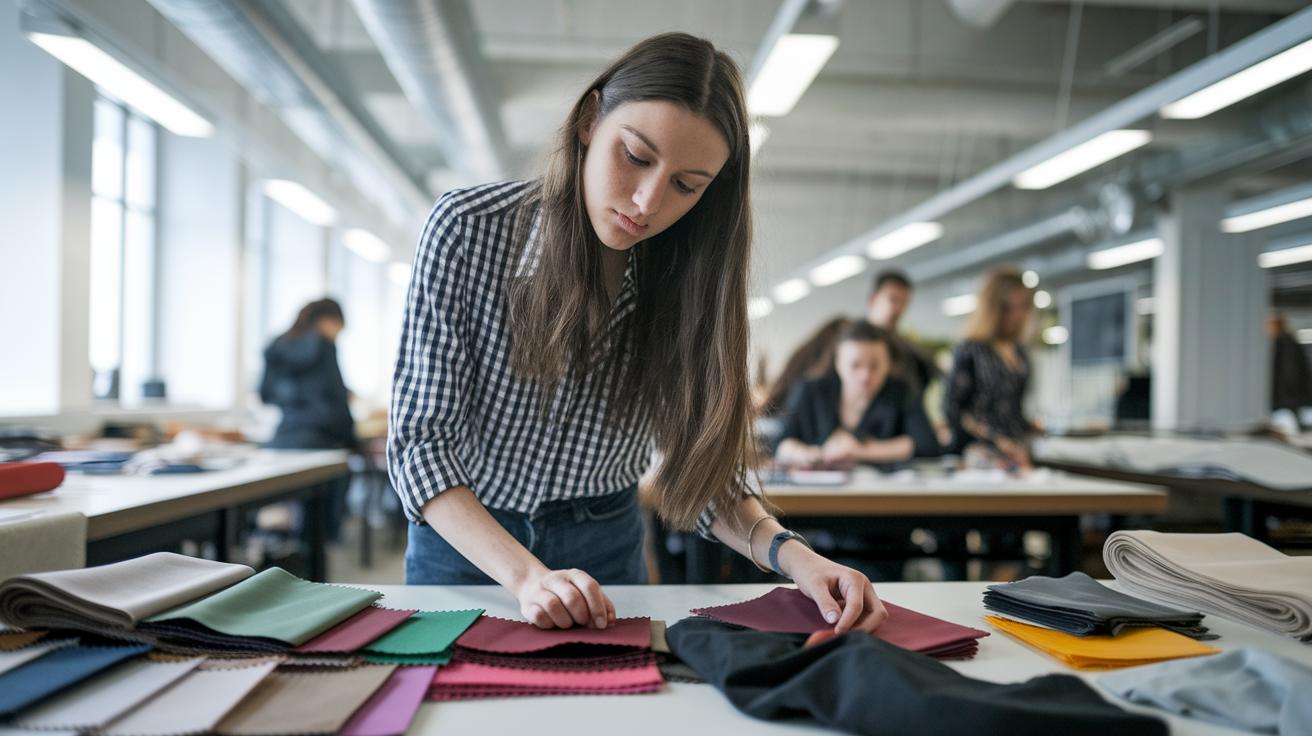
Many budding fashion designers start with a formal degree. They usually earn a Bachelor’s in Fashion Design, Fashion Merchandising, or Fine Arts. Sometimes, an Associate degree or a Diploma can also open doors. Courses cover everything from pattern-making and textile science to the history of dress and using CAD for fashion, mixing practical skills with creative insights.
While classroom lessons give you a solid base, real-world practice is just as important. Many students grab internships at design houses or join apprenticeships in ateliers. Working alongside seasoned designers lets you see the entire process, from that first sketch to the final stitch. Ever wonder how the smooth brush of fabric feels as it comes together? That’s the magic of hands-on experience.
Learning doesn’t stop after college. Workshops on sustainable design or seasonal trend forecasting keep your skills fresh and up to date. By diving into internships or apprenticeships, you build a strong portfolio and learn to turn theory into real-life projects. This blend of study and practice sets up designers for long-term success.
Career Outlook, Salary, and Growth Opportunities for Fashion Designers
Fashion design is a field where you start small and work your way up. You might begin as a junior designer scribbling down ideas, then move on to assisting a lead designer. Later, you could become a senior designer, design manager, or even a creative director. And who knows, you might even launch your own label someday.
Today’s trends, like eco-friendly materials and digital shopping, are changing the scene. People want modern styles that care for the planet, which pushes designers to think creatively. Imagine reworking a classic outfit with greener fabrics. This fresh spin not only catches the eye but can also lead to better pay.
Your salary can change based on where you work, the brand’s reputation, and your experience. For example, a designer in a big city for a high-end brand might earn more than someone just starting out in a smaller market. Looking at updated data from reliable sources, like the Bureau of Labor Statistics, can give you a clear picture of current earnings.
- Junior roles are a great launchpad for creativity.
- Senior designers and managers tend to earn more and have extra decision-making power.
- Launching your own label remains an exciting long-term goal.
Building Your Fashion Designer Resume and Interview Preparation
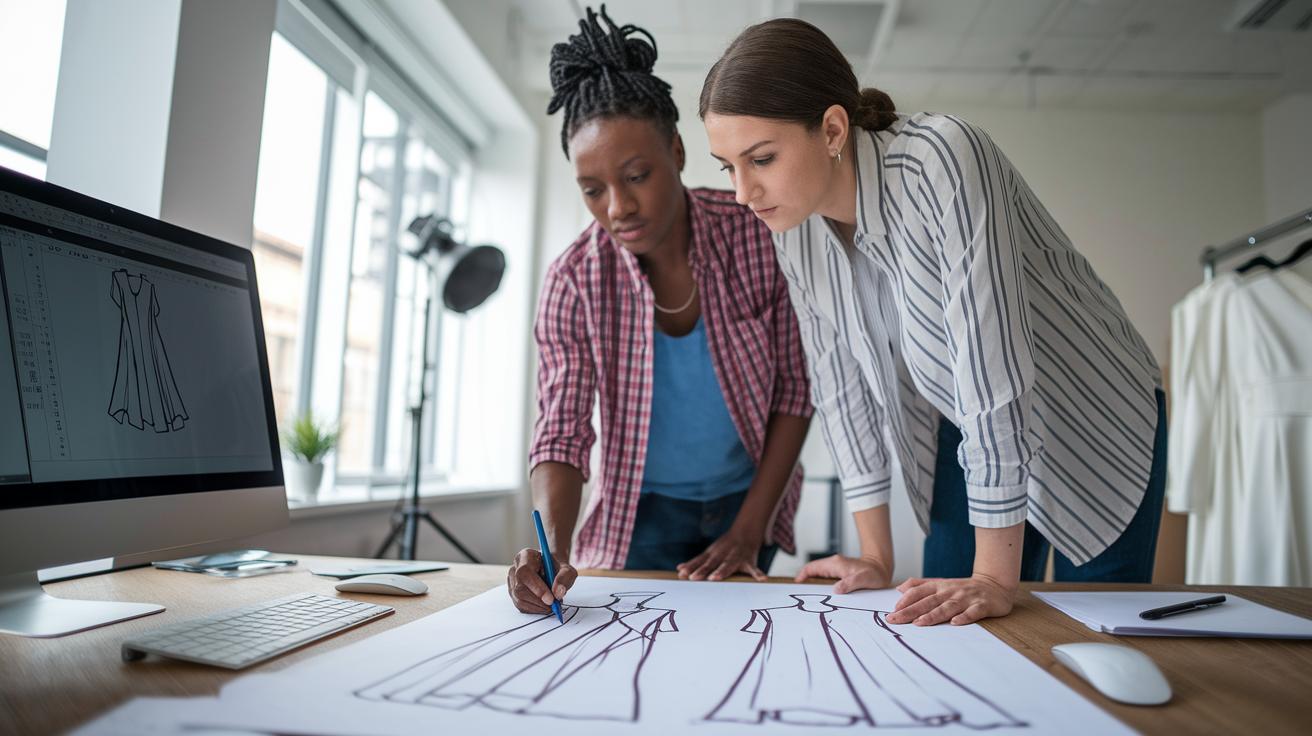
Your resume is the heart of your style career. It’s where you let your work shine. Make sure it lists internships, creative projects that went from a simple sketch to a finished garment, and examples of great teamwork. For example, you might write, "Turned a class project into a collaborative showpiece," to show off your initiative and creative spark.
- Show off your internships with design houses or at fun fashion events.
- Mention your skills with tools like Adobe Illustrator and CAD.
- Share how you turned a rough sketch into a polished garment.
- Talk about teamwork wins that helped bring a collection together.
When you build your portfolio, treat it like a story. Let it showcase seasonal collections that move from early sketches to the final piece. Include technical flats, fabric swatches, and real production photos. A well-organized portfolio makes your creative process easy to follow, almost like a behind-the-scenes look at your style journey.
And when it comes to interview prep, get ready to chat about your trend research, how you solve production issues, and moments when collaboration led to magic. Imagine telling a friend, "I once tweaked a design on the fly to meet a last-minute client brief." That kind of story really grabs hiring managers’ attention.
Keep your resume and portfolio in line with the job openings out there. Check out this extra guide for fashion designer interview questions at https://fullswag.com?p=206 for even more insider tips.
Final Words
In the action, we uncovered the fashion designers job description as a blend of creativity and practical skill.
We explored what a designer does daily, sketching ideas, sourcing materials, and guiding production.
This guide shed light on key skills, training paths, and career growth, making it approachable for anyone looking to step into style.
Embrace the art of design with confidence and keep shining as you celebrate each new trend.
FAQ
What is a fashion designer?
The fashion designer is a creative professional who crafts clothing, footwear, and accessories by blending artistic vision with current trends and market insights.
How do you become a fashion designer?
The path to becoming a fashion designer involves studying fashion or art courses, gathering hands-on experience with internships, and refining your unique style through practice and feedback.
What are the key duties of a fashion designer?
The key duties include researching trends, sketching ideas, choosing fabrics and trims, and overseeing production to ensure designs come to life as planned.
What is the typical salary for a fashion designer?
The typical salary for a fashion designer varies by experience, brand reputation, and location, with entry-level roles earning less than seasoned professionals.
What education is needed for a career in fashion design?
The required education usually includes a Bachelor’s in Fashion Design, Merchandising, or Fine Arts, along with practical training through internships or apprenticeships.
What essential skills does a fashion designer need?
Essential skills include creative sketching, understanding color and fabric, proficiency with design software like Adobe Illustrator and CAD, and strong communication for team projects.
Where do fashion designers typically work?
Fashion designers work in design studios, manufacturing companies, freelance environments, or within retail brands, collaborating closely with production and marketing teams.
What are the five basic principles of fashion design?
The five basic principles are balance, contrast, emphasis, rhythm, and unity, which help guide how design elements are arranged to create appealing garments.
How do you write a description of a fashion designer?
A description of a fashion designer focuses on their creative role, highlighting responsibilities such as trend research, design development, material selection, and production oversight.

… [Trackback]
[…] There you will find 79864 more Info on that Topic: leblooms.com/fashion-designers-job-description/ […]
… [Trackback]
[…] Read More to that Topic: leblooms.com/fashion-designers-job-description/ […]
… [Trackback]
[…] Read More Information here on that Topic: leblooms.com/fashion-designers-job-description/ […]
… [Trackback]
[…] Info on that Topic: leblooms.com/fashion-designers-job-description/ […]
… [Trackback]
[…] Here you can find 4799 more Information to that Topic: leblooms.com/fashion-designers-job-description/ […]
… [Trackback]
[…] Read More Information here on that Topic: leblooms.com/fashion-designers-job-description/ […]
… [Trackback]
[…] Read More to that Topic: leblooms.com/fashion-designers-job-description/ […]
… [Trackback]
[…] Find More here on that Topic: leblooms.com/fashion-designers-job-description/ […]
… [Trackback]
[…] Read More to that Topic: leblooms.com/fashion-designers-job-description/ […]
… [Trackback]
[…] There you will find 64401 more Info to that Topic: leblooms.com/fashion-designers-job-description/ […]
… [Trackback]
[…] Information on that Topic: leblooms.com/fashion-designers-job-description/ […]
… [Trackback]
[…] Read More on that Topic: leblooms.com/fashion-designers-job-description/ […]
… [Trackback]
[…] Information on that Topic: leblooms.com/fashion-designers-job-description/ […]
… [Trackback]
[…] Find More to that Topic: leblooms.com/fashion-designers-job-description/ […]
… [Trackback]
[…] Information on that Topic: leblooms.com/fashion-designers-job-description/ […]
… [Trackback]
[…] Read More on that Topic: leblooms.com/fashion-designers-job-description/ […]
… [Trackback]
[…] Read More Info here to that Topic: leblooms.com/fashion-designers-job-description/ […]
… [Trackback]
[…] Find More here on that Topic: leblooms.com/fashion-designers-job-description/ […]
… [Trackback]
[…] Read More Information here to that Topic: leblooms.com/fashion-designers-job-description/ […]