Have you ever noticed how one fabric can totally change the look of your design? Your fabric choice is like the secret spark that brings creativity and personality to everything you create.
Think about it: natural fabrics offer a soft, gentle touch while synthetic ones are built to last. And then there are blends that give you the best of both worlds with a really unique feel.
In this article, we'll guide you through the fabric types you need to know to give your designs a bold, smart edge.
Essential Fabric Categories for Fashion Designers
When you're sketching out a new look, the fabric you choose is your secret sauce. Knowing what each fabric does helps you decide on the perfect fit, flow, and feel for your creation. Think about it: you might choose cotton for its light, breezy vibe in a summer dress or pick wool for its cozy structure in a winter coat. This basic know-how turns a creative spark into wearable art.
Every fabric type brings its own perks that you’ll want to remember. Natural fabrics like cotton, silk, wool, and linen are loved for their soft drape, cooling touch, and warm embrace when needed. On the other hand, synthetic fabrics such as polyester, nylon, and acrylic are known for being tough, quick-drying, and budget-friendly, making them perfect for everyday wear. And then there are blended fabrics which mix the best of both worlds, a balance of comfort and durability that gives your designs both style and smarts.
| Category | Examples | Key Properties |
|---|---|---|
| Natural Fabrics | cotton, silk, wool, linen | breathable, soft drape, warm when needed, naturally cooling |
| Synthetic Fabrics | polyester, nylon, acrylic | durable, quick-drying, cost-effective, resilient and stretchy |
| Blended Fabrics | cotton-polyester, wool-acrylic, silk-linen | combination of comfort and strength, balanced performance |
Key Fabric Properties for Fashion Designers
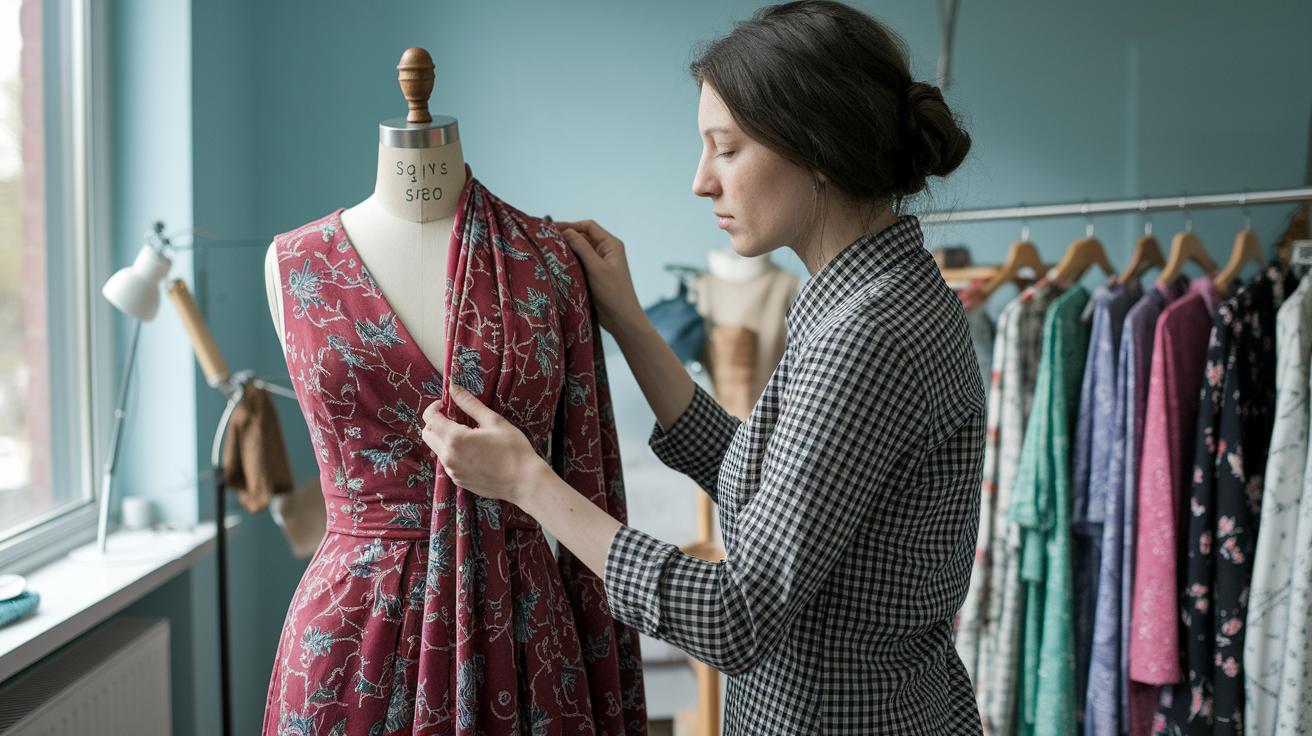
When you pick a fabric, knowing its cool features is the first step to making designs that look good and work well. Checking each detail lets you know if the material fits your idea, making sure it hangs, stretches, and stays strong over time. It’s like getting to know a new friend, each fabric has its own vibe that can make your outfit come alive.
Take a look at these key points:
- Drape: This is how the fabric falls naturally on your body, like that smooth, flowing silk in a gorgeous dress.
- Weight: Measured in gsm or oz per yard, weight tells you if the fabric feels light or warm, and it even impacts how the garment moves.
- Structure: Think of structure as the difference between fabrics that keep a firm shape, like woven types, and those that are more flexible, like knits which let you move freely.
- Stretch & Recovery: This shows if the fabric can stretch when you move and then bounce back, keeping its original look.
- Breathability & Moisture Management: These features tell you how well the fabric lets air in and keeps you cool by wicking away sweat.
- Durability: This is all about how tough the fabric is. It’s an important trait for everyday wear, especially for things like denim or rain gear.
Each of these traits helps you design clothing that not only looks fantastic but feels great too.
Sourcing Fabrics for Fashion Designers
When you’re setting up your supply chain, wholesale markets and direct mill purchases can be a great way to grab fabric in bulk. They help lower the cost per yard, but you’ll usually need to commit to a larger order and wait a bit longer for delivery. It’s kind of like stocking up on your favorite basics, you save money per yard, but you have to be ready for a bigger order upfront.
Online fabric marketplaces are perfect if you’re looking for smaller orders or need just the right amount. They offer a huge variety of natural, synthetic, and even quirky novelty fabrics to fit your creative ideas. Imagine browsing a treasure trove of rich textures and vibrant colors where you can experiment freely without worrying about heavy minimums.
The key is to balance price per yard with quality, the trustworthiness of your supplier, and turnaround times. Many designers now choose eco-friendly options like rPET polyester (made from recycled plastic) or GOTS-certified organic cotton (grown without harsh chemicals). This mix of great quality and a nod to the environment lets you fine-tune your sourcing while staying true to your style goals.
Sustainable Fabracts for Fashion Designers
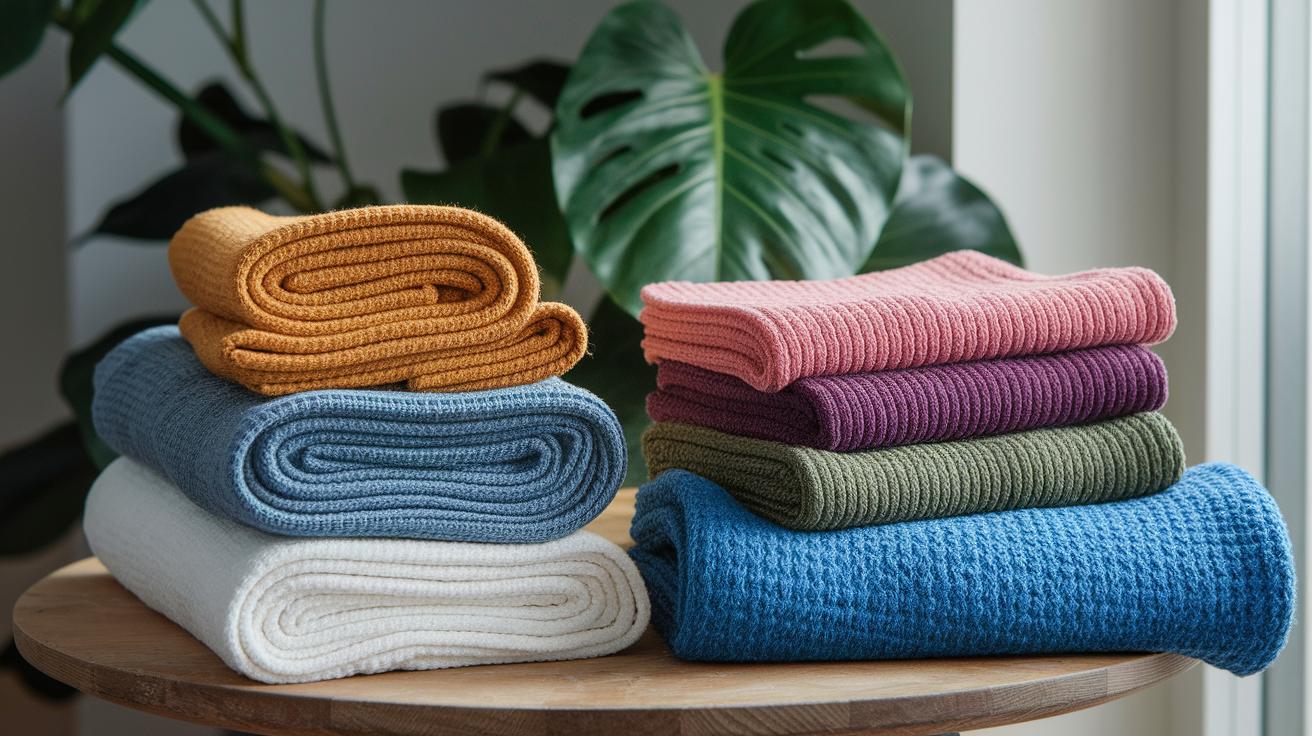
Traditional fabric making often uses too many chemicals, loads of water, and heaps of energy that strain our planet. Today, more designers are turning to greener materials that lessen these harmful effects. This change is a big step toward more earth-friendly fashion, it cuts down on chemical waste and saves important resources.
Designers are now choosing fabrics like bamboo, organic cotton, recycled polyester (rPET), and even upcycled textiles. Bamboo feels soft, is easy on your skin, and naturally breaks down, making it a great swap for usual viscose. Organic cotton is grown without harmful pesticides, which also helps keep the soil healthy. Meanwhile, rPET takes old plastic waste and transforms it into durable, quick-drying fabric. And upcycled textiles give a second chance to materials that would have ended up in a landfill, breathing fresh life into them.
Innovations and Future Fabric Trends for Fashion Designers
Smart textiles are truly turning heads on runways and in everyday style. They’re not just regular fabric, they work hard to keep you comfortable. Imagine a jacket with tiny sensors that adjust its moisture-wicking feel as you move, or a shirt that naturally protects you from the sun. And picture active leggings that dry sweat quickly while keeping you cool. This fun mix of style and smart function is opening new doors for designers to meet performance needs in super creative ways.
Digital printing is also stepping up the game. It brings high-resolution, long-lasting prints to classic designs, making them burst with fresh color. Designers can now play with small batches, trying out unique prints where natural and synthetic fibers dance together to create surprising textures. Think of a fabric that captures details like a piece of fine art, its patterns as vivid as a photographer’s dream. This leap in printing technology doesn't just make things pretty; it lets you explore endless custom design ideas.
Trend forecasting is evolving too. Designers are now using smart, up-to-date strategies based on market reports and the buzz from trade shows to predict next year’s favorite colors and materials. With tools like bio-engineered silk, lab-grown leather, and even conductive yarns in the mix, creative minds can plan collections that truly connect with modern tastes. This forward-thinking approach keeps the fashion world ahead of the curve while pushing the bounds of what’s possible.
Applying Fabrics in Fashion Design
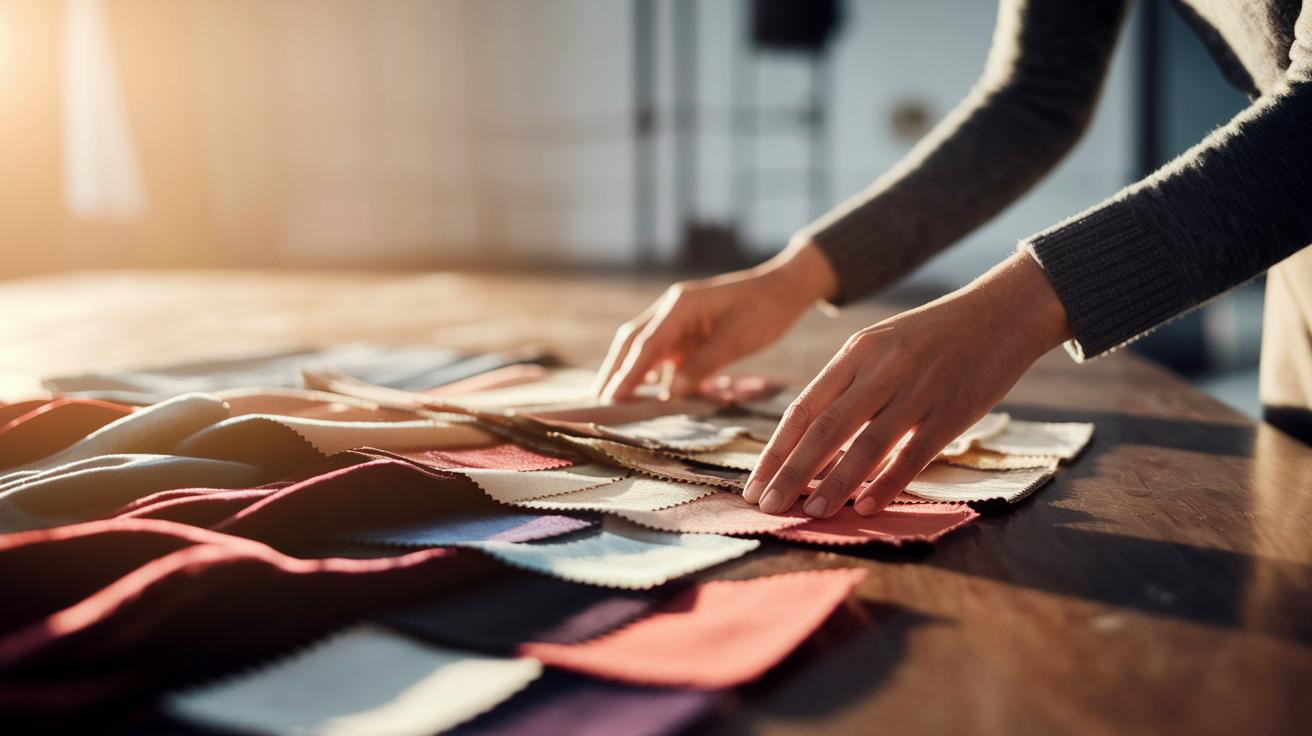
When you start a design, think about what the garment is for and pick your fabric to match. For a dreamy, flowing dress, try smooth, light fabrics like silk or rayon that gently move with you. But if you're making a structured piece like a jacket, you might want a tougher weave such as twill or denim to keep that crisp shape. And while cotton is great with traditional dyes for detailed prints, synthetics may need special dye methods like disperse or sublimation dyeing so the colors pop just right. Your fabric choice sets the vibe of the outfit and makes sure it feels comfortable and lasts.
Want to step things up? Consider using modern techniques like applying a special PU (polyurethane) or wax coating to make waterproof outerwear or activewear that can take on the elements. You can also try custom print methods that let a unique design shine on quality fabric, picture a standout print that catches every eye. When it comes time to show off your creation, smart lighting and photography can capture the fabric’s drape, shine, and texture, giving everyone a clear look at what makes your work special.
Cost and Quality Analysis of Fabrics for Fashion Designers
When you’re choosing fabrics, it's all about finding the right mix between cost and how well they perform. Fancy materials like silk, cashmere, and fine wool can cost anywhere from $50 to $200 per yard. These fabrics add a luxe feel and really boost the overall style of a piece, but if the design misses the mark, they might end up sitting on the shelf. On the other hand, affordable synthetics like polyester and nylon run around $5 to $15 per yard. They’re sturdy and reliable, making them perfect for lines where everyday wear matters most.
It’s smart to compare durability with the price tag too. Heavier fabrics like denim can handle a higher cost because they last longer, while lighter materials like thin silks might need extra lining, which can sneak extra expenses into the mix. Think about it like this: not only do you want a good bargain upfront, but you also want to consider how often the piece will be worn. By looking at both wholesale and retail margins along with these fabric options, you can set the right price points and craft designs that stand out without breaking the bank.
Final Words
In the action, we explored the basics of fabric groups, breaking down natural, synthetic, and blended options along with their properties and smart sourcing strategies. We also touched on eco-friendly picks, modern techniques, and cost-smart decisions, all of which can boost your style game. This recap serves as a quick guide for fabrics for fashion designers. Stay inspired and keep experimenting with new materials to shape your designs with confidence.
FAQ
What are luxury fabrics for fashion designers?
Luxury fabrics for fashion designers refer to premium textiles made from materials like silk and fine wool that add a refined, upscale look to garments while offering exceptional drape and comfort.
Where can designers find wholesale and online fabrics?
Wholesale fabrics for fashion designers and online fabric sources are available on specialized marketplaces that offer a range of authentic designer textiles at competitive prices.
Which high quality fabrics are ideal for clothing design?
High quality fabrics for clothing include natural fibers like cotton, silk, and wool, known for their excellent drape, texture, and durability, making them favorites in design collections.
How do I buy authentic and luxury designer fabric, and what brands are available?
Authentic designer fabric is purchased from reputable brands and trusted retailers, ensuring premium quality and a selection that spans from luxury fabrics to more affordable options for varied design needs.
What fabrics do fashion designers and luxury brands use?
Fashion designers use a mix of natural, synthetic, and blended fabrics tailored to design intent, while luxury brands favor premium materials such as silk, cashmere, and high-grade cotton for their distinctive appeal.
Who is known as the queen of fabrics?
The title “queen of fabrics” playfully honors a figure in fashion celebrated for innovative fabric choices and an influential impact on textile trends in design circles.
Where can I access designer silk fabric wholesale and discount designer fabrics online?
Designers can purchase designer silk fabric wholesale and find discount options online through dedicated fabric marketplaces that offer verified quality and flexible ordering, including by-the-yard purchases.
How is designer fabric typically sold by the yard?
Designer fabric sold by the yard lets creators purchase only the amount they need, offering flexibility in design projects and ensuring minimal material waste while maintaining access to high-end textiles.

… [Trackback]
[…] Find More Info here on that Topic: leblooms.com/fabrics-for-fashion-designers/ […]
… [Trackback]
[…] Find More on on that Topic: leblooms.com/fabrics-for-fashion-designers/ […]
… [Trackback]
[…] Info on that Topic: leblooms.com/fabrics-for-fashion-designers/ […]
… [Trackback]
[…] Read More here on that Topic: leblooms.com/fabrics-for-fashion-designers/ […]
… [Trackback]
[…] There you can find 95197 additional Information on that Topic: leblooms.com/fabrics-for-fashion-designers/ […]
… [Trackback]
[…] Here you will find 18804 more Info on that Topic: leblooms.com/fabrics-for-fashion-designers/ […]
… [Trackback]
[…] Find More on on that Topic: leblooms.com/fabrics-for-fashion-designers/ […]
… [Trackback]
[…] Read More Information here to that Topic: leblooms.com/fabrics-for-fashion-designers/ […]
… [Trackback]
[…] Read More here to that Topic: leblooms.com/fabrics-for-fashion-designers/ […]
… [Trackback]
[…] Read More here on that Topic: leblooms.com/fabrics-for-fashion-designers/ […]
… [Trackback]
[…] Find More on on that Topic: leblooms.com/fabrics-for-fashion-designers/ […]
… [Trackback]
[…] Read More on that Topic: leblooms.com/fabrics-for-fashion-designers/ […]
… [Trackback]
[…] Information on that Topic: leblooms.com/fabrics-for-fashion-designers/ […]
… [Trackback]
[…] Information on that Topic: leblooms.com/fabrics-for-fashion-designers/ […]
… [Trackback]
[…] Find More here to that Topic: leblooms.com/fabrics-for-fashion-designers/ […]
… [Trackback]
[…] There you can find 99624 additional Information on that Topic: leblooms.com/fabrics-for-fashion-designers/ […]
… [Trackback]
[…] Read More Information here to that Topic: leblooms.com/fabrics-for-fashion-designers/ […]
… [Trackback]
[…] Information on that Topic: leblooms.com/fabrics-for-fashion-designers/ […]
… [Trackback]
[…] Here you will find 71862 additional Information on that Topic: leblooms.com/fabrics-for-fashion-designers/ […]
… [Trackback]
[…] Read More here to that Topic: leblooms.com/fabrics-for-fashion-designers/ […]
The breakdown of natural, synthetic, and blended fabrics is especially useful, and the cotton-versus-wool examples make the choices easy to picture. Reference2Video could help designers turn fabric references into visual concept videos, showing how different materials might drape and move before a garment is made.
… [Trackback]
[…] There you can find 49370 more Information to that Topic: leblooms.com/fabrics-for-fashion-designers/ […]