Ever wondered how your outfit can feel like a little time machine? Clothes show us stories from different times. One day, you might feel the crisp style of the early 1900s, and the next, you see eco-friendly trends that hint at new ideas.
This blog digs into those style layers, sharing moments when bold looks sparked a fun kind of rebellion. It’s like giving a wink to the roaring twenties or the cool vibe of the nineties that still influences our choices today.
Join us on this laid-back journey through fashion’s history. Let’s see how every era adds a unique twist to what we wear now.
Fashion Through the Decades: A Comprehensive Evolution Timeline
Fashion has always been a mirror of our times. Over the last 100 years, what we wear has changed along with our society, new technologies, and big cultural shifts. Think of it like a fun roadmap, from the crisp, structured looks of early 1900s couture to today's trendy, eco-friendly, personal style.
This guide is here to help you take a quick stroll through different eras of style. Remember the glitz of the 1920s? Or the bold power dressing from the 1980s? Even the rebellious edge of the 1990s had its say. Each decade tells its own story with unique fabrics, standout designs, and memorable trends that still light up runways today.
| Decade | Main Trend |
|---|---|
| 1900s–1910s | Structured silhouettes and classic designs |
| 1920s | Glitter, glamour, and a touch of opulence |
| 1930s | Sleek lines and refined elegance |
| 1940s | Rationing sparks creative, smart style |
| 1950s | Feminine flair with playful details |
| 1960s | Bold prints, mini skirts, and youth culture |
| 1970s | Boho vibes, disco, and funky patterns |
| 1980s | Power dressing and vibrant accessories |
| 1990s | Grunge, minimalism, and street smart looks |
| 2000s | Mixing retro with modern trends |
| 2010s | Digital influences and urban chic |
| 2020s | Eco-conscious, personalized, and innovative styles |
Next, each part of this timeline digs into the key trends and designers that made each era special. You'll see that fashion isn’t just about clothes; it's a way to feel the vibe of the times. It shows how every phase, whether it’s a dramatic change or a small twist, has helped shape the looks we love today.
Early 20th Century Fashion: 1900s–1910s Silhouettes and Shifts

1900s S-Shape Silhouette
Back in the 1900s, style was all about carving out a bold, S-shaped look that flattered both the chest and hips. Designers paired high-waist stays with layers of petticoats to create a look that was both structured and striking. They were daring, mixing formal elegance with a touch of rebellion in every cut and detail. It’s like they sparked a style revolution, clean lines met creative twists, much like Paul Poiret’s early pieces that hinted at modern flair while still tipping their hat to classic designs. This transformative look redefined how clothing celebrated the female form.
1910s Natural Contour Revolution
By the 1910s, the fashion mood had calmed down a bit as corsets loosened their grip, letting lighter fabrics take center stage. The focus shifted to gentle, flowing lines and the revival of empire-waist dresses, reminiscent of the graceful silhouettes of the early 19th century. Traditional rigidity gradually gave way to natural curves, making room for a style that embraced both comfort and beauty. It was a refreshing moment when women’s figures were celebrated with newfound ease, paving the way for a more relaxed interpretation of Edwardian couture.
1920s Fashion: Flappers, Jazz Age, and Social Liberation
After World War I, the 1920s really changed how women dressed. Freed from old rules, they began showing off bold, independent styles that broke free of tradition. It was a time of fresh hope and a fun, rebellious twist on the past.
The decade brought cool trends like drop-waist dresses, shorter hemlines, cloche hats, and bobbed hair. Imagine a drop-waist dress that sways with every move, it caught eyes then and still inspires chic looks today.
Movies and lively nightspots added extra sparkle to the era. Iconic films and buzzing speakeasies highlighted these fresh styles, turning flapper fashion into a global trend. Those graceful twirls on the black-and-white screen felt like a clear shout for freedom, each stylish detail inviting even more creative expression in fashion.
1930s Fashion: Hollywood Glamour and Economic Realities
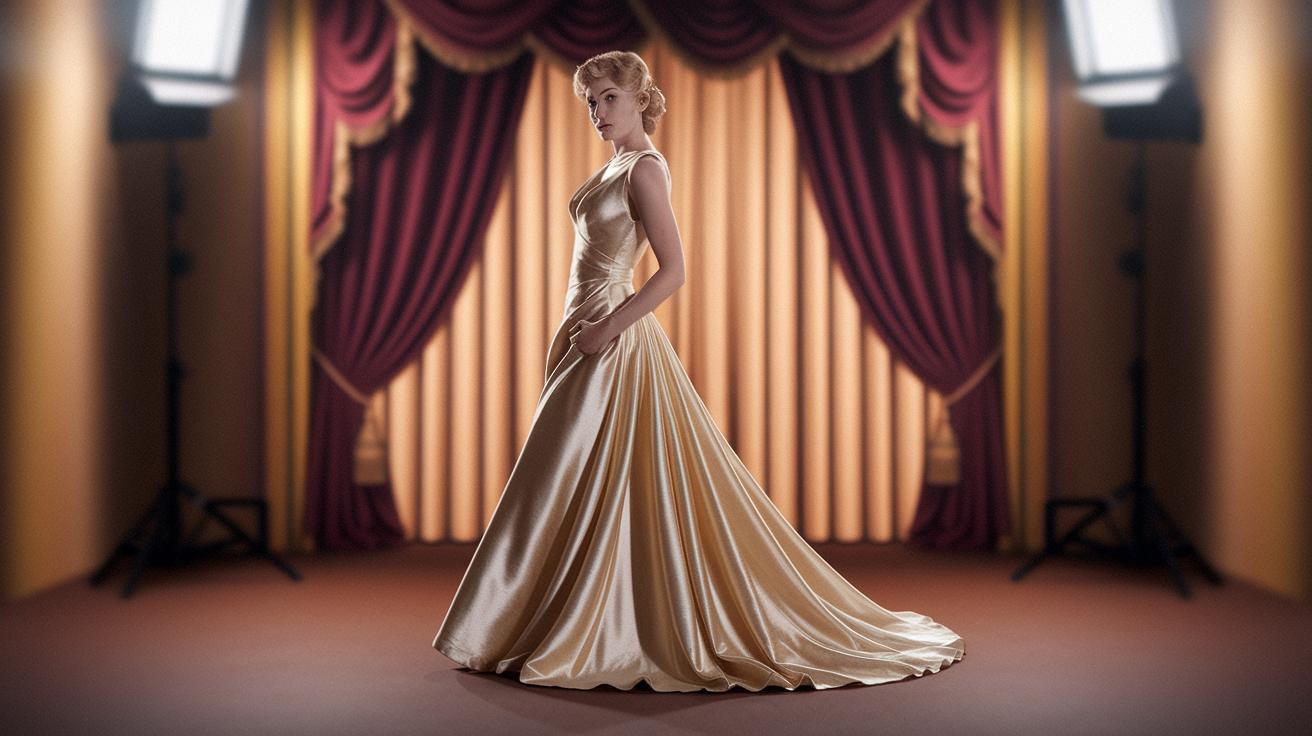
Back in the 1930s, Hollywood stole the show by mixing everyday style with a touch of sparkle. Movie stars dazzled us with flowing, bias-cut gowns that draped gracefully and polished looks that screamed elegance. Even during the hardships of the Great Depression, the silver screen reminded everyone that style could be both glamorous and smart. Women chose dresses that gently hugged their natural curves, while men went for high-waisted trousers and fedoras that hinted at classic, timeless fashion.
| Style Element | Description |
|---|---|
| Bias-cut Gowns | Smooth drapes that enhance feminine lines |
| Practical Suits | Toned-down colors and clean, tailored lines |
| Accessory Shift | Wide-brim hats take over from the classic flapper style |
Cinema played a huge role in shaping style around the globe. Filmmakers brought us sophisticated looks that felt both glamorous and real. The movies showed off not just eye-catching attire but also a move toward practical and lasting designs, merging a flash of glamour with smart, everyday choices.
1940s Fashion: Wartime Utility and Innovation
World War II turned the fashion world on its head as everyone learned to stretch every scrap of fabric. With heavy fabric rationing, designers got creative and focused on smart, practical pieces. Rayon became a go-to fabric because it was less costly and easier to find, making every outfit a lesson in doing more with less.
Women’s style took on a neat, almost uniform-like look that suited the times. Think of graceful rayon blouses teamed with straight skirts complete with padded shoulders and hemlines that fell just below the knee. The result? A clean, structured look that balanced practicality with a touch of elegance, pretty much like finding a chic secret in every day.
Men’s suits weren’t left out of the transformation either. Due to wool shortages, designers shifted away from traditional cuts and leaned into broader shoulders and tapered legs. This new style used less material while still giving men a defined, modern silhouette, a change that not only fit wartime needs but also laid the groundwork for the stylish menswear innovations that followed.
1950s Fashion: The New Look and Postwar Femininity

After all the wartime struggles, the 1950s burst onto the scene with renewed hope and a fresh take on style. In 1947, Christian Dior flipped the script with his New Look. His designs used light, airy fabrics and celebrated curves like never before. Women started to rock fuller skirts and soft shoulders, each outfit a sign of strength and new beginnings.
The New Look was all about bringing shape and balance back to fashion. Designers played with fitted waists, structured bodices, and layered skirts to create that iconic hourglass silhouette. It was like turning art into clothing, a mix of careful design and effortless flair. Pretty cool, right?
At the same time, men were giving their wardrobes a sleek update too. While women embraced softness and volume, men moved toward narrower lapels and slim trousers that subtly screamed confidence. This shift showed that a cleaner, modern style wasn’t just for one side, it was a trend for everyone.
1960s Fashion: Mod Revolution and Cultural Shift
Women’s Mod Style
In the 60s, young trendsetters flipped the script on fashion. Designers like Mary Quant and André Courrèges tossed out old-fashioned forms and embraced fun, daring pieces like mini skirts and shift dresses. They mixed in sharp geometric prints and clean lines that felt fresh and full of life. Picture a crisp mini skirt paired with a vibrant shift dress, each outfit echoing the playful vibe and social change of that time. It was the era when short hemlines became a bold sign of freedom and modern style.
Men’s Slim Silhouettes
Men were getting in on the action too, opting for looks that felt sharp and modern. Influenced by the cool scenes in London clubs and the edgy feel of shows like Peaky Blinders, men swapped out bulky suits for slimmer, tailored cuts. Chelsea boots added a sleek touch to these ensembles, offering comfort along with an underground cool factor. Every detail, from the narrow lapels to the clean lines, spoke of youthful rebellion and a fresh take on classic style.
1970s Fashion: Bohemian Chic and Disco Glam

The 1970s was when fashion hit its free-spirited stride. Folks rocked prairie dresses, patchwork ensembles, and crochet details, each outfit whispering its own tale of independence and creativity. It felt like every look was a nod to the mix of countryside charm and a dash of rebellion, as colors and textures danced together in ways you’d never expect.
Then came a shift with shiny synthetic fabrics making their debut. Polyester became a hit because it was light, affordable, and oh-so-versatile. Imagine slipping into a polyester top that played with the classic feel of old fabrics while adding a fun twist, perfectly capturing the era's bold spirit.
Later on, disco took over the scene. Evening wear burst into life with halter tops, sparkling sequins, flared trousers, and tall platform shoes lighting up every dance floor. Picture dancing under club lights in a dazzling halter top with shimmer that just screamed disco magic.
1980s Fashion: Power Dressing and Bold Excess
The 1980s was a time when style really burst onto the scene. People loved showing off their unique flair with bold designs that transformed everyday outfits into statements of self-assurance. It felt like every piece of clothing was saying, "I'm here to stand out." The mix of strong shapes and refined cuts still inspires us today.
Here are some of the must-have looks from that era:
- Shoulder-pad blazer that built structure into any outfit
- Pencil skirt with a snug, cinched waist for a sleek look
- Bold belt that acted as the perfect finishing touch
- Eye-catching jewelry like big earrings or a cool brooch
- Bright, fun ties for men that added a pop of color
Even boardrooms got a modern twist during the 80s. Men started wearing suits in lively colors and pairing them with oversized ties, while women rocked sculpted, statement-making outfits. This daring approach redefined traditional roles and spoke a new language of professional success mixed with creative energy. It was a time when fashion spoke boldly, and that spirit still shines in how we dress today.
1990s Fashion: Minimalism Versus Grunge Rebellion

Back in the 90s, a fresh vibe swept across runways thanks to a blend of sleek minimalism and unruly grunge. Minimalism was all about clean lines, simple silhouettes, and neutral colors. Designers played with slip dresses and chokers to craft looks that were both chill and effortlessly stylish. Iconic faces like Linda Evangelista and Cindy Crawford brought this laid-back elegance to life, letting refined cuts and soft details highlight natural beauty. It was a time when every piece whispered understated cool, proving that sometimes, less really does mean more.
At the same time, a raw, rebellious side was taking shape in underground grunge culture. Picture flannel shirts, baggy jeans, combat boots, and layered tees that perfectly captured the spirit of counterculture. This streetwise style broke the rules and quickly found its way into mainstream wardrobes, mixing edgy vibes with everyday wearability. Together, these two trends redefined what fashion could be, showing us that style can be both polished and daring, structured yet full of life.
2000s Fashion: Streetwear Rise and Y2K Style
Back in the 2000s, streetwear really changed the game. Graphic tees, bold logos, and comfy hoodies took center stage, giving everyday outfits a fresh edge. The city streets buzzed with an energy that felt all about self-expression and laid-back cool. Influences from skate culture and hip hop blended perfectly with a relaxed vibe, turning the urban jungle into a real runway of casual yet striking style.
At the same time, Y2K trends added a futuristic twist to classic looks. Think low-rise jeans, flirty halter tops, and shimmering metallic fabrics that brought a mix of nostalgia and innovation. These tech-inspired elements transformed basic pieces into bold, eye-catching statements. Even today, you can see hints of these trends in our everyday wear. Curious about where this look came from? Check out what is y2k fashion to get the full scoop on how these trends reshaped style for good.
2010s Fashion: The Influencer Era and Athleisure
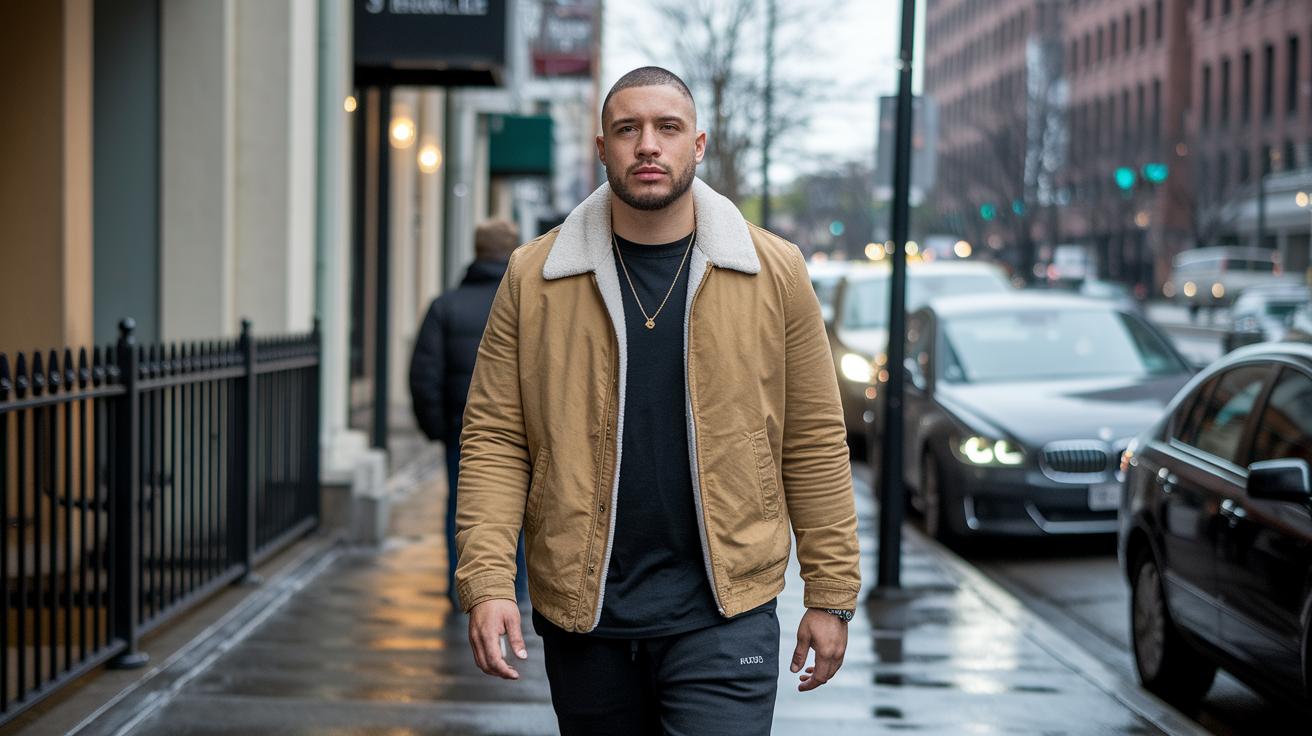
Back in the 2010s, sites like Instagram, YouTube, and Snapchat made fashion a quick, fun chat. Influencers became the go-to style gurus, sharing outfit tips like they were talking with a friend. They mixed old-school vintage with cool street looks, and suddenly, trends spread faster than you can say "fashion." Picture scrolling through a post that shows a laid-back street style that just exudes effortless cool.
At the same time, athleisure moved from workout wear to everyday style. What began as clothes for the gym quickly became a must-have because it was both comfy and stylish. Leggings with bomber jackets and luxe sneakers created a look that works for both a brisk workout and a night out. It’s a fun twist that shows fashion can be practical while keeping things fresh and playful.
2020s Fashion: Sustainable Innovation and Individuality
In the 2020s, brands are taking a fresh look at how they source their materials. They’re eager to use recycled fabrics, cut down on waste, and ensure fair work practices. Designers are rethinking how they make clothes so that every piece shows care for the planet and supports local communities. It’s like turning your daily wardrobe into a little act of kindness for the world.
There’s also some cool innovation going on with materials. Think of fabrics that feel soft but are super durable, made from recycled stuff or alternative sustainable fibers. These new blends not only look good and feel great but also help us use fewer heavy resources. It’s a smart way to rethink what quality and longer-lasting clothes really mean.
There’s a bit of fun nostalgia, too. Designers mix in simple, clean cuts inspired by the 1990s and Y2K eras with modern eco-friendly ideas. This mash-up of old-school vibes and new techniques gives each outfit a unique flavor, letting you show off your personal style while also caring for the environment.
Final Words
In the action, this article traced a timeline from the early 1900s to the eco-minded 2020s, highlighting bold shifts, wardrobe reboots, and runway reinventions. Each decade packed its own surprises, merging historical influences with modern twists. Our deep look into fashion through the decades shows that style is always evolving, encouraging personal flair and confident choices. Embrace coming trends with excitement and a unique spark. Every era brought its own innovation, proving that fashion remains a living conversation.
FAQ
Q: What eras does the “Fashion Through the Decades” timeline cover?
A: The “Fashion Through the Decades” timeline covers styles from the 1800s to 2022, showcasing shifts in silhouette, fabric, and design. It highlights both men’s and women’s trends along with key fashion eras.
Q: What defines 1930s fashion?
A: The 1930s fashion encapsulates Hollywood glamour with bias-cut gowns and practical tailored suits. Economic influences and film inspiration merged to shape a refined look that balanced elegance with everyday wear.
Q: What is the 3-3-3 rule in fashion?
A: The 3-3-3 rule in fashion suggests combining three staple pieces, three complementary accessories, and three core colors to create a unified outfit that feels fresh, balanced, and easy to style.
Q: What are the 5 stages of the fashion life cycle?
A: The five stages of the fashion life cycle are introduction, growth, peak, saturation, and decline. They describe how trends emerge, flourish, mature, and eventually fade from popular demand.
Q: What is the 20 year rule in fashion?
A: The 20 year rule in fashion observes that styles from two decades ago often return, as trends recycle classic looks with a modern twist that blends nostalgia with fresh design elements.
Q: How have clothing history, textiles, and sewing techniques shaped fashion design?
A: Clothing history, textiles, and sewing techniques have shaped fashion design by introducing innovative fabrics and construction methods that lay the foundation for today’s diverse and adaptable style.
Q: What defined the Victorian era in fashion design?
A: The Victorian era in fashion is known for structured silhouettes, intricate details, and modest designs that reflected social customs. Its craftsmanship and formality have left a lasting influence on later trends.

… [Trackback]
[…] Information on that Topic: leblooms.com/fashion-through-the-decades/ […]
… [Trackback]
[…] Find More here on that Topic: leblooms.com/fashion-through-the-decades/ […]
… [Trackback]
[…] Find More Info here to that Topic: leblooms.com/fashion-through-the-decades/ […]
… [Trackback]
[…] Find More to that Topic: leblooms.com/fashion-through-the-decades/ […]
… [Trackback]
[…] Find More here to that Topic: leblooms.com/fashion-through-the-decades/ […]
… [Trackback]
[…] Information to that Topic: leblooms.com/fashion-through-the-decades/ […]
… [Trackback]
[…] Find More on to that Topic: leblooms.com/fashion-through-the-decades/ […]
… [Trackback]
[…] Read More to that Topic: leblooms.com/fashion-through-the-decades/ […]
… [Trackback]
[…] Here you can find 51202 additional Info on that Topic: leblooms.com/fashion-through-the-decades/ […]
… [Trackback]
[…] Read More on that Topic: leblooms.com/fashion-through-the-decades/ […]
… [Trackback]
[…] There you can find 98321 additional Information on that Topic: leblooms.com/fashion-through-the-decades/ […]
… [Trackback]
[…] Find More Info here to that Topic: leblooms.com/fashion-through-the-decades/ […]
… [Trackback]
[…] Find More here to that Topic: leblooms.com/fashion-through-the-decades/ […]
… [Trackback]
[…] Information to that Topic: leblooms.com/fashion-through-the-decades/ […]
… [Trackback]
[…] Information on that Topic: leblooms.com/fashion-through-the-decades/ […]
… [Trackback]
[…] Find More Info here to that Topic: leblooms.com/fashion-through-the-decades/ […]
… [Trackback]
[…] Read More Info here on that Topic: leblooms.com/fashion-through-the-decades/ […]
… [Trackback]
[…] There you will find 36275 additional Information to that Topic: leblooms.com/fashion-through-the-decades/ […]
… [Trackback]
[…] Read More here to that Topic: leblooms.com/fashion-through-the-decades/ […]