Ever wonder what really gives fashion its glamorous vibe? Fashion designers aren’t just creative geniuses; they’re trendsetters who mix bold sketches, fresh fabrics, and unique details to turn simple ideas into wearable art.
They don’t follow the crowd, they spark new looks that let you stand out. Think of it as upgrading your everyday wardrobe with a touch of art and a dash of style magic.
In short, designers blend creativity with smart moves, making each piece a mini masterpiece that adds a whole new level of chic to your life.
Fashion Designers Meaning: Defining Glamour
Fashion designers are dreamers who mix art with smart business know-how in creative ways. They start with lively sketches that capture the latest trends and shifts in our everyday culture, turning those ideas into real pieces. From choosing the perfect fabric to crafting the right pattern, every step feels like creating a wearable piece of art.
They love adding a twist to classic styles, maybe a new sleeve shape or a dash of retro mixed with modern energy. It’s a bit like reinventing a favorite outfit to fit every mood. Throughout the process, designers balance their bold creative visions with keeping an eye on what people want to wear, all while teaming up with ateliers, factories, and skilled collaborators.
Key know-how includes a knack for precise pattern making, expert garment construction, and a good feel for different fabrics and styles. Picture turning a simple sketch into something you can dress up in, it’s the perfect blend of creativity and skill. Some designers focus on tiny, intricate details, while others pull together whole collections that tell a story.
Many kick off their careers by studying at special fashion schools, where they learn both the art and the practical side of design. This mix of hands-on training and creative passion helps them build a career that shines with originality and market smarts.
Core Responsibilities of Fashion Designers

Fashion designers mix creativity with smart planning to turn a simple idea into a runway-ready collection. They start by checking out the latest trends, sketching playful ideas, and planning every detail so each piece fits perfectly into the story of the collection.
They do lots in a day, from studying new styles to choosing the right fabrics and details, all to make sure that when you see the final look, it feels both fresh and thoughtful. It’s like putting together the perfect outfit where every item has its own role.
- Study the latest fashion trends
- Sketch creative concepts
- Pick fabrics and small details
- Develop and test patterns
- Create samples and hold fittings
- Team up with production experts
- Review and update the collection
Every step is a mix of fresh ideas and careful tweaks. Designers keep reworking their creations to stay on top of what people love and to meet production needs. In the end, each collection is new, striking, and ready to catch your eye.
Creative Process of Fashion Designers
The creative journey kicks off with a bright, personal observation that mixes market insights with everyday style. Imagine spotting a sudden burst of color that instantly changes your vision. Designers share these moments of pure inspiration and quickly turn them into ideas that mix today's trends with their own unique twist.
Next, the idea rushes to the drawing board. Designers doodle fast sketches and pick out fabrics that capture the mood perfectly. They might say, "I draw quickly to keep the creative buzz alive, then try fresh ways to cut and shape the fabric." It’s all about experimentation, pattern making and sample sewing become little labs where every detail is tested until the design feels just right.
Finally, it’s time for a little team magic. Designers work closely with their crew, tweaking fits and finishes based on real feedback. They trade ideas and adjust details until every piece not only looks amazing but meets the high mark of both creativity and quality.
Educational and Career Paths for Fashion Designers
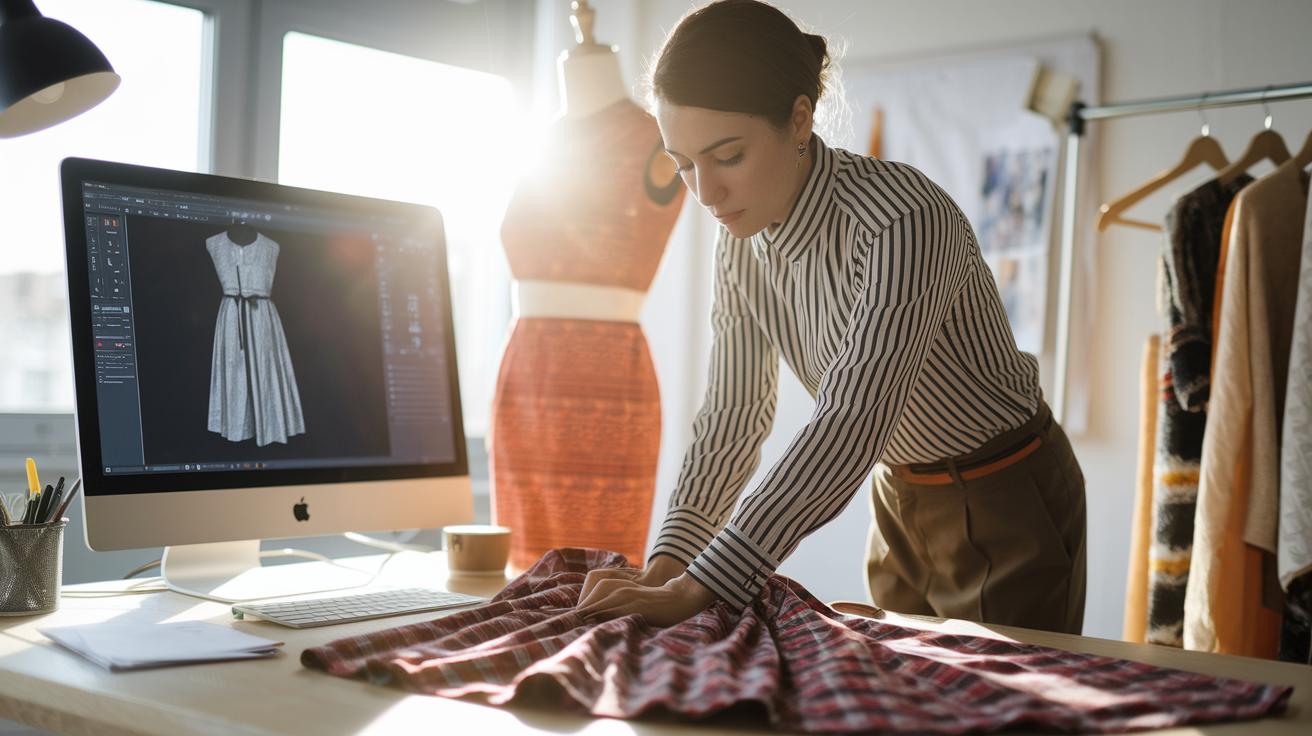
Aspiring designers usually start their journey in design schools or specialized academies where they learn the basics like pattern-making, draping, and even digital design techniques. Imagine spending hours perfecting the art of fabric draping or getting comfortable with a computer-aided design tool. This kind of training not only nurtures your creative side but also builds a strong technical foundation.
Many newcomers kick off their careers by taking on entry-level jobs such as design assistant, pattern maker, or sample sewer. In these roles, you get real, hands-on experience while working side-by-side with seasoned pros in studios or production facilities. Every day, you could be tweaking garment details or testing out new prototypes, which shows you just how classroom theories translate into the buzzing world of fashion production.
As you gain more experience, you might move into roles like lead designer, creative director, or brand consultant. This is when you can really hone in on your unique style, be it in couture details, digital fashion, or styling. Each step in your career lets you explore different creative paths that best showcase your individual flair.
Fashion Designers vs. Clothing Designers: Clarifying Their Roles
When you dive into the world of style, you'll soon learn that fashion designers and clothing designers play two very different roles. Fashion designers handcraft high-end items like dresses, coats, and striking jewelry that feel like pieces of art you can wear. Their work not only looks beautiful but also sets trends and shapes what’s cool in culture.
On the flip side, clothing designers concentrate on everyday pieces that you can mix and match with ease. They focus on making sure the fabric works well and fits perfectly so your outfit stays both practical and stylish day after day. Simply put, one creates that standout look for a special night out, while the other makes sure your daily wardrobe is comfortable and smart.
Both of these roles need skills like pattern making, sewing techniques, and a sharp eye for the latest trends. Yet, they thrive in different environments. Fashion designers typically work in cozy ateliers or boutique studios where they can experiment and push creative boundaries. Meanwhile, clothing designers are usually found in larger studios or production workshops, where the goal is to produce reliable pieces on a bigger scale. This difference in workspaces shows how one field balances bold creativity with the everyday need for practicality.
Final Words
In the action, this piece shows how creative ideas spring to life. It covers how sketching, trend research, and teamwork transform concepts into standout looks. Every step, from understanding basic roles to following clear study paths, adds to a fresh take on fashion designers meaning. The insights shared spark a clear, upbeat view of style exploration. With this guide, you’re set to make smart choices that boost your confidence and keep your look on point.
FAQ
Q: What is a fashion designer?
A: The term “fashion designer” means a creative innovator who develops designs for clothes and accessories, blending artistic vision with practical styles. They are often called style creators or dress innovators.
Q: What does a fashion designer do and what is their role?
A: A fashion designer works by researching trends, sketching ideas, selecting materials, creating patterns, and supervising production. Their role is to turn creative ideas into wearable pieces that resonate with shoppers.
Q: What qualifications and courses are needed for a career in fashion design?
A: Fashion design courses teach skills like pattern making, draping and using design software. Many start with formal classes at design schools before gaining practical experience as assistants or sample makers.
Q: What are some essential skills for a fashion designer?
A: A fashion designer relies on artistic ability, pattern making, fabric selection, trend research, clear communication, and technical construction. These skills help in creating pieces that are both eye-catching and practical.
Q: What types of fashion design exist?
A: Fashion design includes areas like couture, ready-to-wear, sportswear, and technical design. Designers often specialize in a niche that matches their approach and the needs of their target audience.
Q: Where do fashion designers typically work?
A: Fashion designers work in creative studios, small design houses, and larger ready-to-wear companies. They can also be found in production workshops or digital design firms where ideas become actual products.
Q: How does fashion design relate to graphic, textile, or interior design?
A: Fashion design shares creativity with graphic, textile, and interior design. While each focuses on a different medium, they all aim to create appealing visuals and practical solutions in their respective fields.
Q: What influences a fashion designer’s salary?
A: A fashion designer’s salary can depend on experience, skill level, location, and company size. Earnings vary widely, balancing creative talent with practical market demands.

… [Trackback]
[…] Read More to that Topic: leblooms.com/fashion-designers-meaning/ […]
… [Trackback]
[…] There you can find 15820 more Info to that Topic: leblooms.com/fashion-designers-meaning/ […]
… [Trackback]
[…] Read More Information here on that Topic: leblooms.com/fashion-designers-meaning/ […]
… [Trackback]
[…] Here you can find 50171 more Info on that Topic: leblooms.com/fashion-designers-meaning/ […]
… [Trackback]
[…] Here you can find 69614 additional Info to that Topic: leblooms.com/fashion-designers-meaning/ […]
… [Trackback]
[…] Read More on on that Topic: leblooms.com/fashion-designers-meaning/ […]
… [Trackback]
[…] Info to that Topic: leblooms.com/fashion-designers-meaning/ […]
… [Trackback]
[…] Find More on to that Topic: leblooms.com/fashion-designers-meaning/ […]
… [Trackback]
[…] Read More to that Topic: leblooms.com/fashion-designers-meaning/ […]
… [Trackback]
[…] Information on that Topic: leblooms.com/fashion-designers-meaning/ […]
… [Trackback]
[…] Find More Info here on that Topic: leblooms.com/fashion-designers-meaning/ […]
… [Trackback]
[…] There you will find 39936 more Info on that Topic: leblooms.com/fashion-designers-meaning/ […]
… [Trackback]
[…] Info on that Topic: leblooms.com/fashion-designers-meaning/ […]
… [Trackback]
[…] Read More on that Topic: leblooms.com/fashion-designers-meaning/ […]
… [Trackback]
[…] Read More to that Topic: leblooms.com/fashion-designers-meaning/ […]
… [Trackback]
[…] Read More Information here on that Topic: leblooms.com/fashion-designers-meaning/ […]
… [Trackback]
[…] Read More Info here on that Topic: leblooms.com/fashion-designers-meaning/ […]
… [Trackback]
[…] Read More Information here on that Topic: leblooms.com/fashion-designers-meaning/ […]
… [Trackback]
[…] Read More here on that Topic: leblooms.com/fashion-designers-meaning/ […]
… [Trackback]
[…] Read More Information here on that Topic: leblooms.com/fashion-designers-meaning/ […]
… [Trackback]
[…] Information on that Topic: leblooms.com/fashion-designers-meaning/ […]