Ever wonder how a quick doodle turns into a stunning collection? Designers grab a tiny spark of inspiration from busy streets or quiet corners, then transform their sketches into clear, stylish plans. Each line helps skilled artisans change paper ideas into striking, runway-ready looks. It’s like seeing a little flame grow into a bold statement of style. Read on and discover how creative minds turn rough sketches into iconic collections that light up our world.
Translating Fashion Sketches into Iconic Collections
Designers kick things off with a burst of inspiration drawn from city streets, old artworks, or the serene beauty of nature. That spark sets off a rush of creativity, turning simple ideas into something real and exciting.
Next, those rough sketches evolve into detailed plans that guide the entire process. They start out as loose outlines and slowly become refined drawings that map the route from paper to a full-fledged collection. These plans help skilled artisans build prototypes and samples, laying a steady foundation for the big reveal on the runway.
- Inspiration
- Sketching
- Refinement
- Prototyping
- Production
- Runway
Every stage in this journey works together to bring a designer’s vision to life. At the very beginning, that initial idea is jotted down in a raw form. With a little tweaking here and there, the sketches become a clear guide for making prototypes, where designers adjust every detail so the final product truly reflects their vision. Finally, when production kicks in, every garment is carefully crafted to echo the original concept. And on the runway, months of hard work come together in a stunning fashion show.
Concept Refinement and Sketch Evolution in Fashion Design
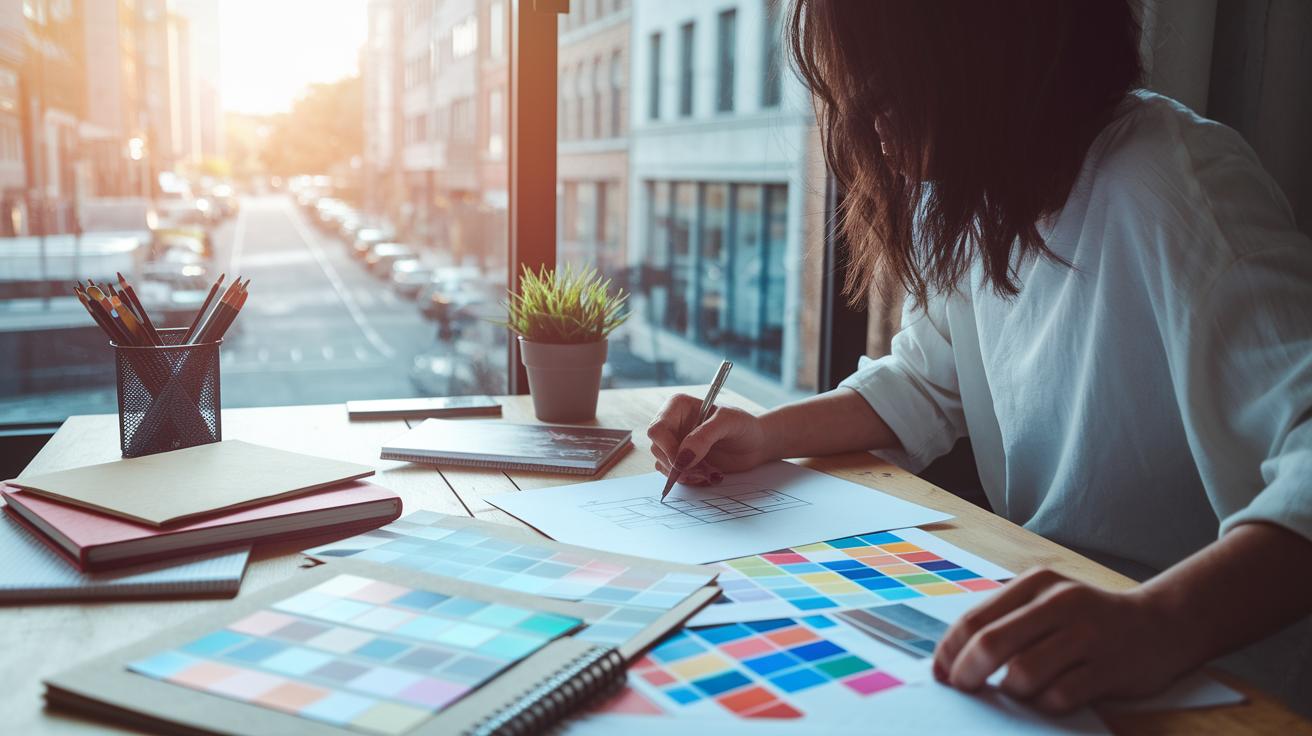
It all starts with a spark. Designers catch a quick idea from busy city streets, old artwork, or the peaceful vibe of nature. Those early thoughts soon become neat sketches that mix free creativity with careful planning. Each line on the paper is like a small step that grows into a clear guide for future designs.
Ideation Breakthrough: Gathering Inspiration
Designers begin by collecting mood boards, sketchbooks, and lots of research to set the stage for their ideas. They note little details from everyday life and from historical art, piecing them together like a colorful collage of inspiration. For instance, a designer might say, "I saw a burst of color in a park today." That moment can spark a whole new design line. This phase is key because it lays down the mood, tone, and direction for the upcoming collection.
Croquis to Detailed Rendering: Shaping the Silhouette
Once the ideas are gathered, the work moves on from quick sketches to more detailed drawings. Designers often use the 9-head method, which means dividing the figure into nine equal parts to keep everything in balance. They add gesture drawings to bring energy and movement to the sketches, capturing the design’s lively spirit before locking in the final details. Step by step, they build up the drawing by adding details that show the smooth flow of fabric and the soft curves of the garment. In the end, these sketches turn into clear blueprints, transforming simple outlines into iconic collections.
Material Selection and Fabric Realization for Garment Formation
Designers start by checking fabrics for their weight, drape, and prints because each detail shapes the final look of a piece. They handle the materials to feel how they move and settle, making sure each one fits the design's intended silhouette. One designer even said, "The soft flow of this fabric really brings the design to life," showing just how important these choices are.
Working closely with textile experts adds a fun twist to the creative process. Their technical tips on stitching and structure mix with bursts of creative ideas. These chats often spark thoughts about blending textures or adding unique details, opening up exciting chances to play with materials and lift the whole collection.
Every fabric picked tells part of the collection's story, affecting everything from how the garment drapes to its overall visual appeal. With thoughtful material choices and expert advice, designers turn early sketches into standout pieces and create a collection that shines and captivates every time.
Prototype Creation and Sample Culmination in Haute Design
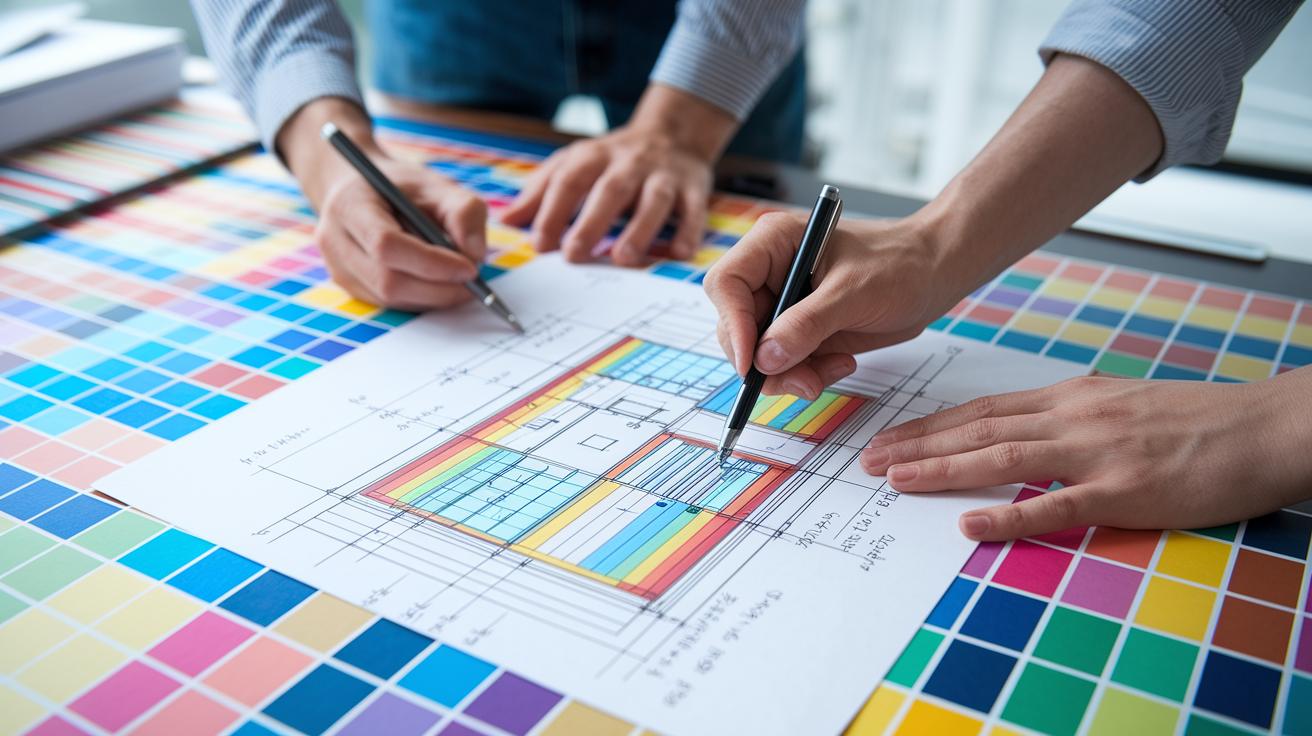
Finalized sketches jump off the page and become detailed tech packs, which are basically blueprints for our pattern makers. These docs list every measurement, fabric choice, and design detail to help guide precise cutting. With clear, handwritten notes, the tech pack shows exactly how to carve out that perfect silhouette, almost like having a style roadmap in your hand. For instance, you might see a note that says, "Cut along these exact lines for optimal flow," setting the vibe for the whole process.
Next, pattern makers slice the fabric and artisans assemble the first samples with care. In the sample room, each garment gets a fitting session where adjustments bring out its best shape. Skilled hands check every seam to make sure the piece still sings the original design note. These fittings are the perfect time for little tweaks that fine-tune balance and style, bridging that exciting gap between idea and reality.
Each prototype is like a checkpoint on a creative journey. Every sample shows if a design is truly translating from paper to fabric. With smart fittings and tiny adjustments, designers polish every detail, ensuring the final collection feels just as true to their vision as when the idea first sparked.
Quality Checks and Final Adjustments Before Runway Debut
Before hitting the runway, designers get down to the very last details. They add the finishing touches with care, tiny sequins, hand-stitched accents, and perfectly matched colors that echo the bold sketch. A designer might say, "These little details make our piece pop," and it's true; even the smallest touch can bring a garment to life.
Fit checks are just as important. Teams inspect every seam and run try-ons to see how each piece flows on the body. They measure precisely, note any adjustments needed, and recheck their work until the garment feels both comfy and stylish.
Every tweak, minor embellishment or seam readjustment, makes sure the final collection sticks to the designer’s vision. These careful quality checks and hands-on fit trials ensure that what you see on stage is not only stunning but also true to the original design. Each step refines the balance between creative flair and smart precision, making the collection shine on the runway.
Runway Styling and Lookbook Presentation of Iconic Collections

Designers take their carefully drawn sketches and turn them into living art. They pick models who can really show off a collection with confidence and style. Every detail matters, from the smooth flow of movement to the perfect syncing of music and lighting. When a model walks to a beat that feels just right, the outfit almost seems to come alive. It’s like watching a story unfold right on the catwalk.
Lookbooks are just as key in sharing a collection’s magic. These stylish photo shoots turn each garment into a work of art. Bright, memorable images help tell the story in magazines and online, reaching everyone who loves fashion. During these sessions, the music and set design guide the mood so every shot feels full of life.
Every element, from the runway swagger to the lookbook’s personal touch, is thoughtfully arranged to highlight the collection. Each presentation not only shows off the design details but also shares a story that connects with anyone who admires creativity and style today.
Industry Influence and Brand Legacy of Iconic Fashion Collections
Iconic sketches aren’t just pictures on a board, they spark a ripple effect across the fashion world. Bold visuals like these don’t sit quietly; they influence everything from high-end runways to street style. When a designer captures raw, lively energy on paper, it gives a clear signal to fashion lovers. Ever notice how a single sketch can change the way everyday wear is styled? It’s like each line has the power to make a trend catch on in unexpected places.
Brand storytelling is woven right into these timeless designs, building a strong, lasting identity. Turning a sketch into a celebrated collection leaves a lasting mark on the industry. Each piece carries the designer’s unique touch, making the collection feel legendary and real. With practical design elements mixed with creative flair, the story behind the clothes becomes both genuine and inviting. For a closer look at a designer’s creative journey, check out our deep dive into a designer's creative legacy.
These powerful legacies inspire future collections and keep reshaping how we all see fashion.
Final Words
In the action, we followed the creative spark that launches an idea and witnesses its transformation into a runway sensation. Every step unfolds a fresh chapter of style evolution.
• Inspiration
• Sketching
• Refinement
• Prototyping
• Production
• Runway
This recap shows how designers turn sketches into iconic collections. Each phase builds on the last, blending creative energy with hands-on expertise to form looks that spark excitement and define a truly confident style.
FAQ
How do designers balance creativity with functionality in their collections?
Designers balance creativity with functionality by mixing bold artistic ideas with smart fabric choices and practical construction. This approach ensures that each design is both eye-catching and comfortable to wear.
How to turn a sketch into digital art?
Turning a sketch into digital art starts by scanning or photographing the drawing, then using software to enhance details and experiment with color and texture until it fits the designer’s vision.
Why do fashion designers incorporate the color of the year into their collections?
Fashion designers incorporate the color of the year to bring trend-forward energy into their collections, reflecting current style moods and connecting with what’s popular among modern audiences.
Why do designers make sketches?
Designers make sketches to quickly capture their ideas in visual form, setting the foundation for further development and making it easier to plan, refine, and construct the final garment.
