Have you ever wondered if that chic outfit you love might be hiding a secret cost? Factories send out pollution the way a row of cars splutters on a busy street, and our rivers end up stained with toxic dyes. Every piece of clothing you wear carries a hidden price for our planet.
In this chat, we're sharing smart, eco-friendly fixes that help cut down on waste and keep our water cleaner. It’s amazing how small style choices can make such a big difference, sort of like swapping one accessory for another that tells a story of a healthier Earth, one outfit at a time.
Assessing the Scope of Fashion Industry Pollution
The fashion world is a big player when it comes to greenhouse gas emissions. Making clothes adds up to about 10% of the world's total emissions – even more than all the international flights and sea shipping combined. Imagine a busy factory where each piece made pumps out as much pollution as a few hundred cars. Pretty eye-opening, right?
Water pollution is another big issue. Around 20% of industrial water pollution comes from clothing production, as chemicals, dyes, and finishing agents end up in our rivers and lakes. Think of it this way: the vast amounts of water used in dyeing and rinsing fabrics can turn a factory into a hotspot for overusing and polluting fresh water. It’s like the water that makes your trendy outfit has its own tale of pollution.
Then there’s the waste. Nearly 85% of textile materials wind up in landfills, and less than 1% ever get recycled. This means piles of clothes remain even long after their style has passed, slowly leaking pollutants into our soil and water. Picture countless pieces of discarded fashion lingering around, a quiet reminder of the environmental strain behind our favorite styles.
Water Contamination from Garment Production and Fashion Industry Pollution

Garment production uses a shocking amount of water. A single pair of jeans soaks up about 10,000 liters, and a cotton shirt takes around 2,650 liters. This heavy water use often means that production sites turn into hotspots for waste, and more and more people, from top designers to everyday shoppers, are starting to notice what’s happening.
As if that weren’t enough, the process pollutes our freshest water supplies. Toxic dyes and chemicals seep out during production and end up in nearby rivers and lakes, hurting both nature and local communities. It’s a real-life challenge that pressures our supply of clean water.
The good news? Some brands are stepping up their game. They’re using cleaner methods that cut down chemical waste and reduce water use for each garment. These small tweaks can really add up, helping save water for people and nature alike. Ultimately, even tiny steps in the right direction can make a big splash.
Airborne Contaminants in Textile Manufacturing and Fashion Industry Pollution
In many factories that make synthetic fibers like polyester, nylon, and acrylic, tiny chemicals are set free into the air. These include substances like volatile particulates and hydrogen chloride, which you can’t see but can build up in a workspace. Even on a busy production floor, there’s an invisible threat that can make breathing tough for workers and nearby residents.
During the finishing process, the story doesn't get any easier. Fabric treatments release even more pollutants as they send microplastic fibers into the air with every wash cycle. Picture gently gliding your hand over soft fabric, while an unseen cloud of teeny fibers quietly adds to pollution both indoors and out.
And then there’s the energy needed to power all this work. Many textile plants rely on fossil fuels, which means every machine spark adds more harmful emissions to the mix. With each burst of energy, the air gets a little dirtier. It’s like one problem stacking on top of another, making fresh, clean air a rarity in these busy production sites.
Plastic Debris and Microplastics within Fashion Industry Pollution

Ever notice how washing synthetic clothes sends a secret storm of tiny plastics into our oceans? Every time you wash polyester or acrylic pieces, your laundry spills a hidden cloud of fibers that adds up to 35% of the microplastics in our seas – that's like tossing 50 billion plastic bottles' worth of debris every year. Imagine a wash cycle shedding thousands of little fibers, drifting away like a sprinkle of secret plastic confetti across the blue.
These teeny particles not only lower water quality but also put marine life in danger. Sea creatures might swallow these almost invisible bits, which can mess up their systems. Each little fiber worsens the bigger problem of water pollution, reminding us all to consider gentler washing methods and choose fabrics that are kinder to our oceans.
Chemical Runoff and Toxic Byproducts in Fashion Industry Pollution
Dyeing and finishing processes let out dangerous dyes, heavy metals, and solvents straight into our water. Imagine a river that looks beautiful on the surface but hides copper, chromium, and other toxic chemicals underneath.
Wastewater from garment finishing mixes leftover dyes with cleaning agents and extra chemicals. Even after removing the big particles, tiny dye molecules can stick around, affecting local waterways and nearby communities.
Now, companies are rethinking their waste routines. They are using plans that cut down on harmful discharges and new treatment methods that work hard to remove toxic chemicals, kind of like changing a recipe by taking out one key ingredient to make it better.
The Carbon Footprint of Clothing Production in Fashion Industry Pollution
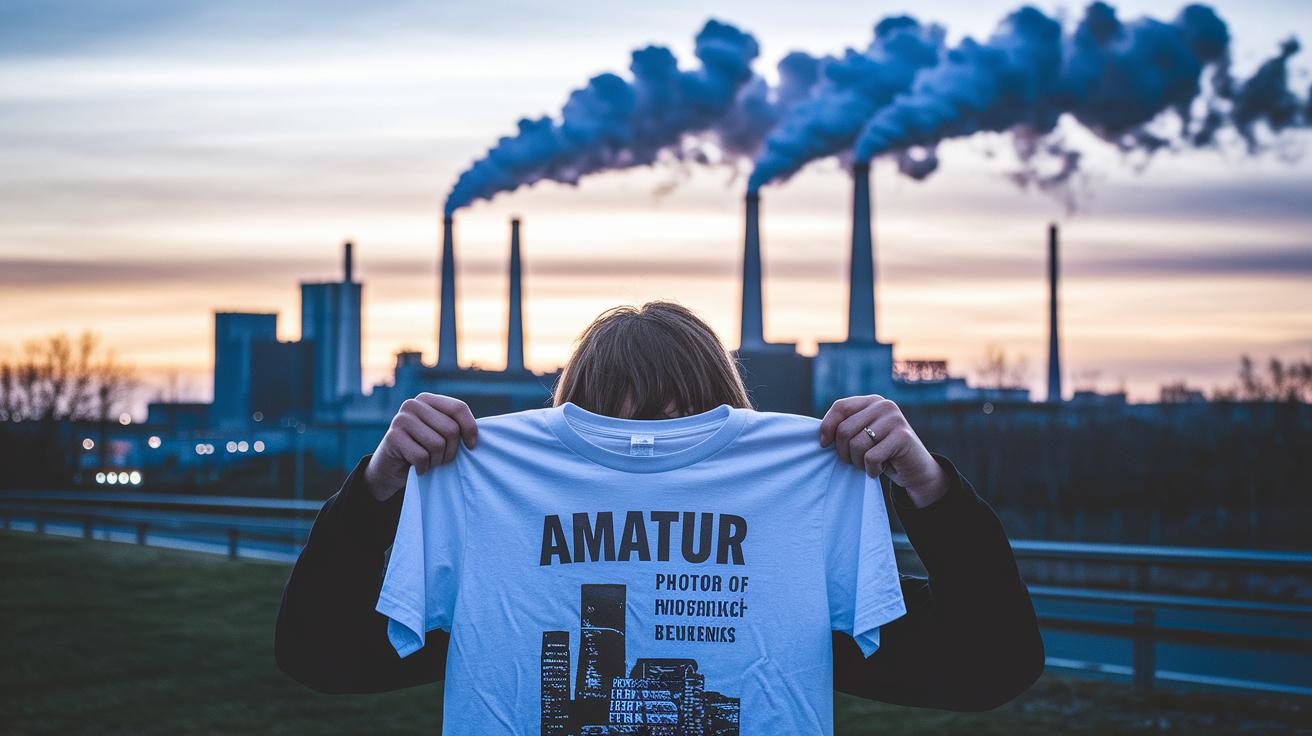
Making clothes is behind about 10% of the world’s carbon emissions. Every item, whether it’s your favorite tee or a chic dress, is more than just fabric; it adds up to a real impact on the air we share. Imagine each stitch and splash of dye as a tiny piece of a puzzle that, together, makes a big mark on our climate. This high emission rate puts stress on our natural resources and shows that every factory plays its part in our common environmental challenge.
Take one major fast fashion brand, for example. In 2023, it almost doubled its emissions, earning a spot as the sector’s top polluter. Their push for quick, high-volume production leads to sudden spikes in greenhouse gas output. Simply put, when speed and volume drive production, our climate pays a steep price.
Then there’s the story of synthetic fibers. These fabrics are mostly made from petroleum, which ramps up the overall carbon intensity. Fuel-based machines, cleaning chemicals, and petrochemical fibers all add to a cycle of emissions that’s hard to break. Every synthetic garment comes with a hidden carbon tag, reminding us just how tightly knit our energy sources and clothing production really are.
Comparing Fast Fashion Environmental Toll and Eco-Friendly Alternatives for Fashion Industry Pollution
Fast fashion is dazzlingly quick, but it really leaves a heavy mark on our planet. The rapid turnover means tons of clothes end up as trash, about 85% of textile waste every year. And honestly, only less than 1% of these garments get recycled. It’s like each new budget-friendly design adds to a mountain of garments that never find a new life, blocking any chance for a smooth, circular textile system.
Luckily, eco-friendly alternatives are on the rise, offering a breath of fresh air amid the waste. Brands are turning to natural fibers and recycled materials, making sustainability more than just a buzzword. Techniques like waterless finishing and low-impact dyeing are becoming common practices. These methods cut down on waste and lessen toxic outputs during production. If you're curious about more details, check out what is sustainable fashion. And with moves like the EU’s 2022 Strategy for Sustainable and Circular Textiles pushing companies to adopt greener practices, it's clear that stylish, sustainable models are within reach.
These innovative changes set a clear contrast to the old fast fashion routine. They mix trendy styles with eco-responsibility, showing that the industry can still meet our fashion cravings while caring for the planet. By embracing renewable processes and eco-friendly alternatives, the fashion world is turning its wasteful reputation into a bold, forward-thinking approach.
| Solution | Impact |
|---|---|
| Natural fibers | Helps reduce environmental strain during extraction and processing |
| Recycled fibers | Cuts down material loss by reusing waste |
| Waterless finishing | Minimizes water use and pollution |
| Low-impact dyes | Limits toxic discharge during production |
Industry Regulations and Innovations Targeting Fashion Industry Pollution

Governments and industry rules are changing the way we fight pollution in making clothes. For example, the EU’s Strategy for Sustainable and Circular Textiles now calls for eco-labels and designs that help with recycling. This guides manufacturers to use cleaner methods. More companies are caring about the environment and tracking emissions through their entire production process to find quick fixes and build trust with eco-friendly buyers.
New tech is really shaking things up in production. Some brands are switching to renewable energy, cutting greenhouse gas emissions by nearly 30%. They are also choosing cleaner methods like enzymatic dyeing (using natural enzymes instead of harsh chemicals) and membrane filtration (using special filters to clean water) instead of old, heavy processes. Closed-loop water recycling is another neat trick; it saves water and uses fewer chemicals. When brands add these smart ideas, they can fight pollution while still keeping things stylish.
Fresh policy changes now back up these technical upgrades. Tighter rules and smart solutions make sure every step in production meets clean, green standards. It’s this mix of new, forward-thinking guidelines and cool technology that is changing how we see clothes making.
- Enzymatic dyeing
- Membrane filtration
- Closed-loop water recycling
- Corporate lifecycle emission tracking
Final Words
In the action, we explored the real impacts of water and air contamination, plastic waste, and toxic byproducts, revealing how these factors add up in fashion industry pollution. We also looked at the power of emerging innovations and sustainable models to reduce harmful emissions.
Each insight paints a clear picture of our current challenges and hints at a cleaner future. Embrace these ideas and take small steps toward supporting practices that brighten both your style and our planet.
FAQ
What do fashion industry pollution statistics reveal?
The statistics show fashion contributes 10% of global greenhouse gases, causes 20% of industrial water pollution, and sends 85% of textiles to landfills, stressing significant environmental impact.
How does the fashion industry rank among polluting sectors?
The fashion sector ranks as one of the top polluters by emitting high carbon levels, polluting water sources, and generating massive waste from quick-turnaround production.
How much water does garment production consume and pollute?
Garment production uses huge water volumes—jeans require about 10,000 liters per pair and cotton shirts around 2,650 liters—often leaving behind polluted effluent in local water systems.
What causes textile pollution in the fashion industry?
Textile pollution stems from synthetic fibers shedding microplastics during washing, excessive water use, harmful dye effluent, and heavy reliance on fossil fuels in manufacturing.
What differentiates fast fashion, sustainable fashion, and slow fashion?
Fast fashion produces rapid, high-volume designs that create excess waste; sustainable fashion uses eco-friendly processes, while slow fashion prioritizes quality and longevity in garments.
Which everyday garments contribute most to environmental impact?
Common items like jeans, which need intense water use, and t-shirts made from resource-heavy fibers exemplify how typical clothing can significantly add to environmental pollution.
Where can I find detailed resources on sustainability in the fashion industry?
Several PDF guides are available offering step-by-step sustainable practices, eco-friendly production methods, and recycling techniques that help reduce the industry’s environmental footprint.
What is considered the biggest environmental problem in the fashion industry?
The main challenge is waste generation, with around 85% of textiles ending up in landfills and minimal recycling, which puts enormous strain on resources.
What information does the fashion industry pollution Wikipedia page provide?
The Wikipedia page outlines a broad overview of pollution sources, key statistics, and the environmental impact of air, water, and waste pollution within the global fashion industry.

… [Trackback]
[…] Here you can find 19611 additional Info to that Topic: leblooms.com/fashion-industry-pollution/ […]
… [Trackback]
[…] Read More here on that Topic: leblooms.com/fashion-industry-pollution/ […]
… [Trackback]
[…] Read More to that Topic: leblooms.com/fashion-industry-pollution/ […]
… [Trackback]
[…] Read More on that Topic: leblooms.com/fashion-industry-pollution/ […]
… [Trackback]
[…] Read More to that Topic: leblooms.com/fashion-industry-pollution/ […]
… [Trackback]
[…] Here you can find 88356 more Information on that Topic: leblooms.com/fashion-industry-pollution/ […]
… [Trackback]
[…] Here you can find 92972 more Info to that Topic: leblooms.com/fashion-industry-pollution/ […]
… [Trackback]
[…] Info on that Topic: leblooms.com/fashion-industry-pollution/ […]
… [Trackback]
[…] Information on that Topic: leblooms.com/fashion-industry-pollution/ […]
… [Trackback]
[…] Information to that Topic: leblooms.com/fashion-industry-pollution/ […]
… [Trackback]
[…] Find More Information here to that Topic: leblooms.com/fashion-industry-pollution/ […]
… [Trackback]
[…] Here you can find 66986 more Info to that Topic: leblooms.com/fashion-industry-pollution/ […]
… [Trackback]
[…] Find More here to that Topic: leblooms.com/fashion-industry-pollution/ […]
… [Trackback]
[…] Info on that Topic: leblooms.com/fashion-industry-pollution/ […]
… [Trackback]
[…] Read More on that Topic: leblooms.com/fashion-industry-pollution/ […]
… [Trackback]
[…] Find More Information here on that Topic: leblooms.com/fashion-industry-pollution/ […]
… [Trackback]
[…] Find More on on that Topic: leblooms.com/fashion-industry-pollution/ […]
… [Trackback]
[…] Read More Information here on that Topic: leblooms.com/fashion-industry-pollution/ […]
… [Trackback]
[…] Read More on on that Topic: leblooms.com/fashion-industry-pollution/ […]
… [Trackback]
[…] Find More on that Topic: leblooms.com/fashion-industry-pollution/ […]
… [Trackback]
[…] Find More on to that Topic: leblooms.com/fashion-industry-pollution/ […]
… [Trackback]
[…] Read More on on that Topic: leblooms.com/fashion-industry-pollution/ […]
… [Trackback]
[…] Information on that Topic: leblooms.com/fashion-industry-pollution/ […]
… [Trackback]
[…] Here you can find 35316 more Information to that Topic: leblooms.com/fashion-industry-pollution/ […]
… [Trackback]
[…] Here you will find 45767 additional Info to that Topic: leblooms.com/fashion-industry-pollution/ […]
… [Trackback]
[…] There you will find 75055 more Information to that Topic: leblooms.com/fashion-industry-pollution/ […]